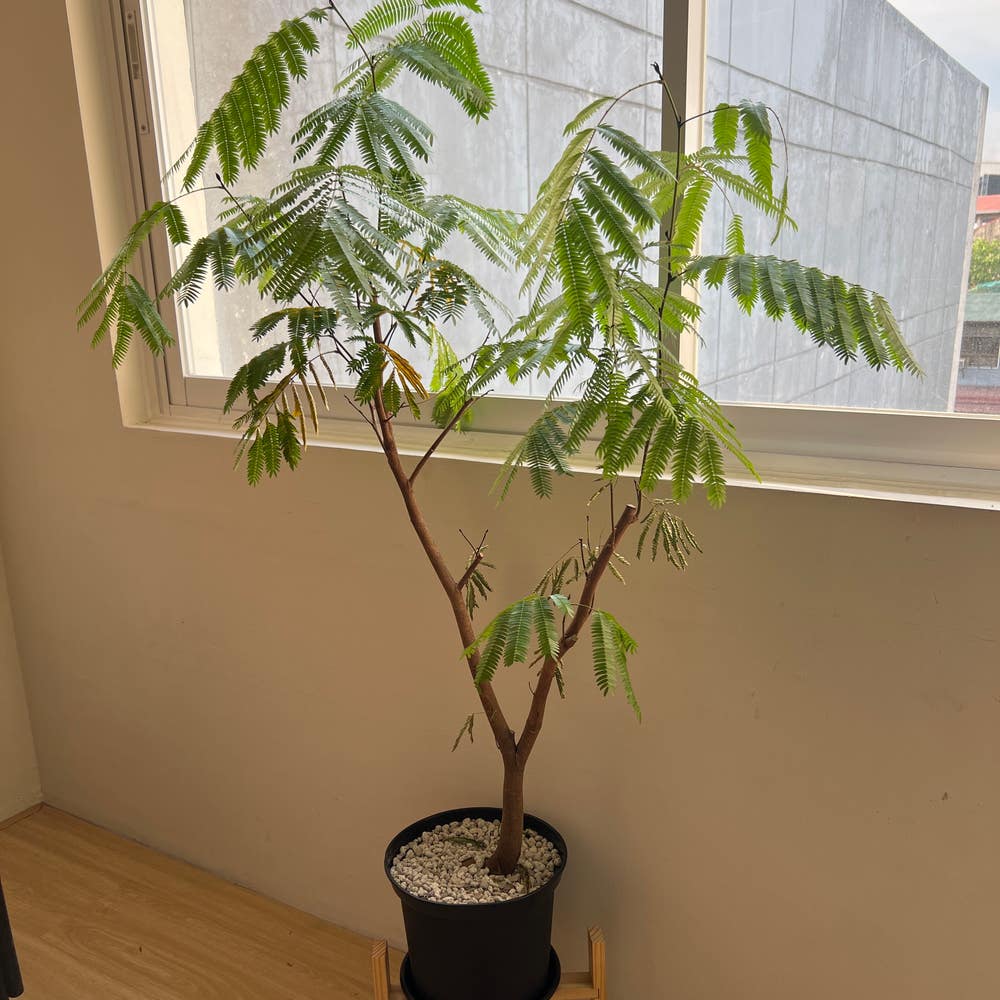
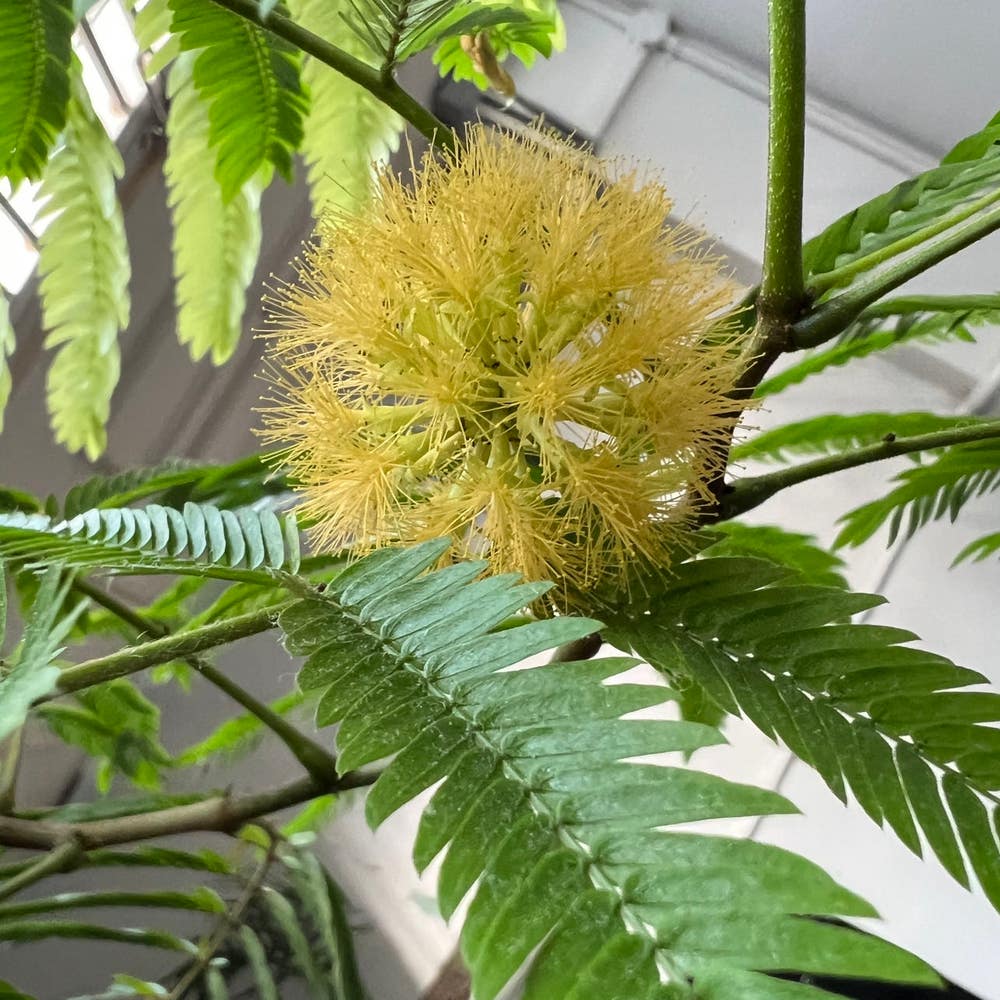
🍫 Summer Chocolate Mimosa Tree Leaves Curling
Albizia julibrissin 'Summer Chocolate'
By the Greg Editorial Team
Sep 28, 2024•5 min read
This article was created with the help of AI so we can cover more plants for you. May contain errors. See one? Report it here.
Transform your garden by mastering the causes and cures of leaf curling in trees! 🌳
- 🌞 Leaf curling in summer chocolate mimosa trees is caused by heat and drought stress.
- 🐜 Pests like aphids and spider mites cause curling; use insecticidal soap for control.
- 💧 Consistent watering and nutrient management are crucial for tree health and leaf vitality.
Causes of Leaf Curling
🌡️ Environmental Stress Factors
Heat Stress
Heat stress can be a significant culprit behind leaf curling. Symptoms include leaves curling upwards and browning at the edges, indicating your tree is struggling in the heat.
To combat this, provide shade during peak sun hours. This simple adjustment can help your tree recover and thrive.
Drought Conditions
Drought conditions also lead to leaf curling, with wilting leaves and dry soil being telltale signs. Regular watering is essential to maintain soil moisture levels and keep your tree healthy.
Establishing a consistent watering schedule can make a world of difference in preventing drought stress.
🐛 Pest Infestations
Aphids
Aphids are notorious for causing leaf curling. Signs of infestation include sticky residue on leaves and distorted growth.
To treat aphid problems, consider using insecticidal soap or neem oil. These methods are effective and can help restore your tree's health.
Spider Mites
Spider mites can also lead to leaf curling, often accompanied by fine webbing and stippled leaves. If you notice these signs, it's crucial to act quickly.
Increasing humidity around the tree and using miticides can help control spider mite populations effectively.
🌱 Nutrient Deficiencies
Nitrogen Deficiency
A nitrogen deficiency manifests as yellowing leaves and stunted growth. This nutrient is vital for healthy foliage and overall tree vigor.
Applying a balanced fertilizer rich in nitrogen can help rectify this deficiency and promote lush growth.
Potassium Deficiency
Potassium deficiency is another common issue, often resulting in leaf curling and browning at the edges. This nutrient plays a key role in plant health.
Using a potassium-rich fertilizer can address this deficiency, helping your tree regain its vitality.
🍄 Fungal Infections
Powdery Mildew
Powdery mildew is a fungal infection that can cause curling leaves, often accompanied by white powdery spots. This condition thrives in warm, dry conditions.
To treat powdery mildew, apply fungicides and improve air circulation around your tree. These steps can help prevent further spread and protect your tree's health.
Understanding these causes of leaf curling is essential for effective treatment. By identifying the symptoms and taking appropriate action, you can help your tree flourish. Next, we’ll explore how to diagnose leaf curling effectively.
Diagnosing Leaf Curling
Identifying Symptoms 🌿
When diagnosing leaf curling, start by observing the visual signs. Look for the direction of the curl, any discoloration, and changes in leaf texture.
Early detection is crucial for effective treatment. The sooner you identify the problem, the better your chances of restoring your tree's health.
Differentiating Between Causes 🔍
Next, differentiate between potential causes by using observational techniques. Inspect for pests, such as aphids or spider mites, and assess environmental conditions like heat stress or drought.
Understanding the context of symptoms helps pinpoint the issue. This knowledge is key to applying the right treatment effectively.
Assessing Soil Moisture 💧
Checking soil moisture levels is essential for tree health. Use techniques like the finger test or a moisture meter to gauge how dry or wet the soil is.
Maintaining optimal soil conditions supports overall tree vitality. Proper moisture levels can prevent many issues, including leaf curling.
Treatment Options
🐞 Pest Control Methods
Insecticidal soap is a go-to solution for managing pests. Apply it every 7-14 days until you see a noticeable reduction in pest activity.
Neem oil is another effective treatment. For best results, use it in the early morning or late evening to prevent leaf burn from the sun.
💧 Adjusting Watering Practices
Watering frequency should be tailored to the weather, ideally 1-2 times per week. Deep watering is crucial; it encourages strong root growth and helps your tree withstand stress.
🌱 Fertilization Strategies
Timing is key when it comes to fertilization. Aim to fertilize in early spring and mid-summer for optimal growth.
Consider the type of fertilizer you use. Slow-release options provide nutrients over time, while liquid fertilizers offer a quick boost.
🍄 Fungal Treatment Options
🧪 Fungicides
When dealing with fungal infections, choose between systemic and contact fungicides. Always follow label instructions for safe and effective application.
🌬️ Cultural Practices
Improving air circulation around your tree can significantly reduce fungal issues. Additionally, avoid overhead watering to keep leaves dry and healthy.
By implementing these treatment options, you can effectively address leaf curling and promote a thriving summer chocolate mimosa. Next, let’s explore preventive measures to keep your tree healthy year-round.
Preventive Measures
Best Practices for Watering 🌊
Maintaining the right soil moisture is crucial for tree health. Aim for a slightly moist consistency, avoiding sogginess to prevent root rot.
Mulching is a game-changer. It helps retain soil moisture and regulates temperature, creating a more stable environment for your tree.
Regular Monitoring for Pests 🕵️♂️
Stay proactive by inspecting your tree weekly during the growing season. This routine can catch issues before they escalate.
Look for signs like discoloration, sticky residue, or webbing. These indicators can help you identify pest infestations early.
Seasonal Care Tips 🌸
In spring, focus on fertilization and pest prevention. This sets a strong foundation for your tree's growth.
As summer rolls in, adjust your watering practices and keep an eye out for heat stress. Your tree will thank you for the extra attention.
Pruning Techniques ✂️
Timing is everything when it comes to pruning. Late winter or early spring is ideal for removing dead or crowded branches.
Proper pruning enhances airflow, reducing the risk of fungal infections. Plus, it encourages healthier growth, making your tree more resilient.
By implementing these preventive measures, you can keep your tree thriving and minimize the chances of leaf curling. Next, let’s dive into diagnosing leaf curling to better understand what might be affecting your tree.
⚠️ Safety First
This content is for general information and may contain errors, omissions, or outdated details. It is not medical, veterinary advice, or an endorsement of therapeutic claims.
Always consult a qualified healthcare professional before using any plant as food, medicine, or supplement.
Never eat any plant (or feed one to pets) without confirming its identity with at least two trusted sources.
If you suspect poisoning, call Poison Control (800) 222-1222, the Pet Poison Helpline (800) 213-6680, or your local emergency service immediately.
Spotted an error? Please report it here.
Keep your summer chocolate mimosa tree curl-free 🌿 by using Greg's tailored reminders for watering, pest control, and nutrient management to help it thrive all season long!