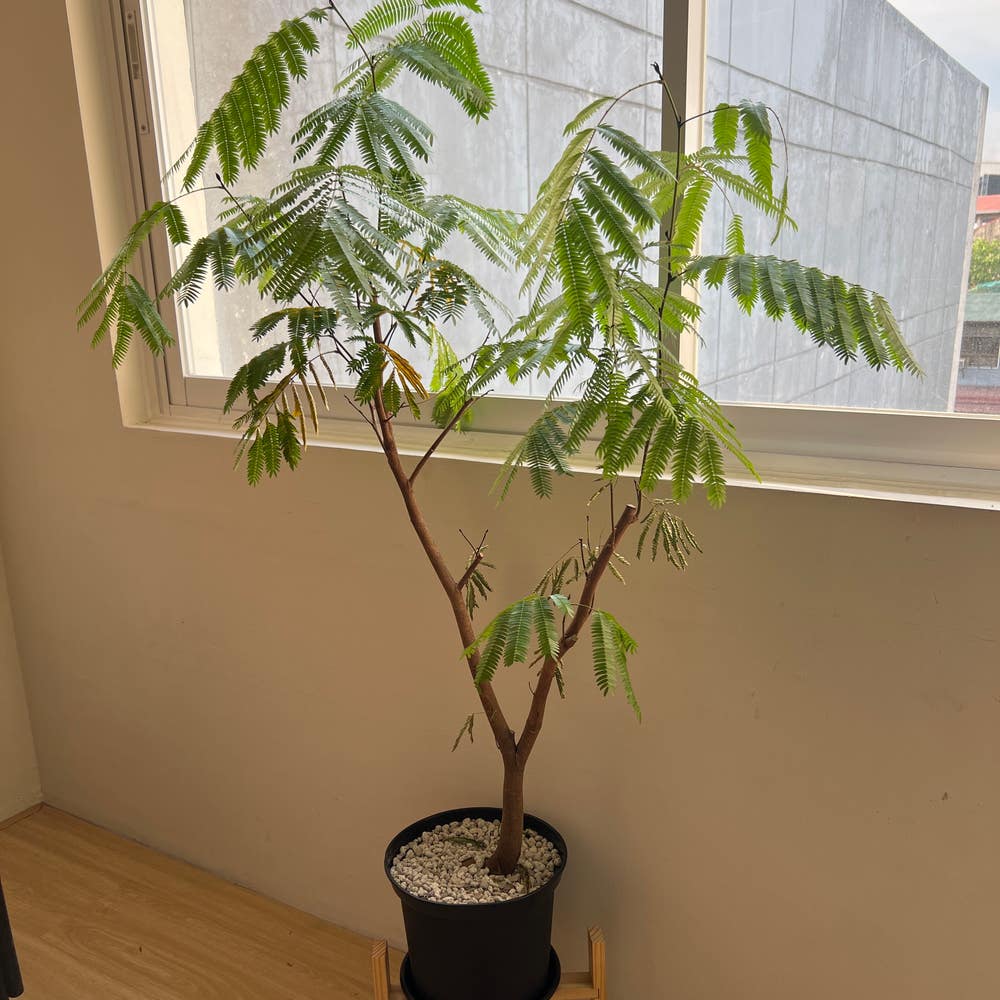
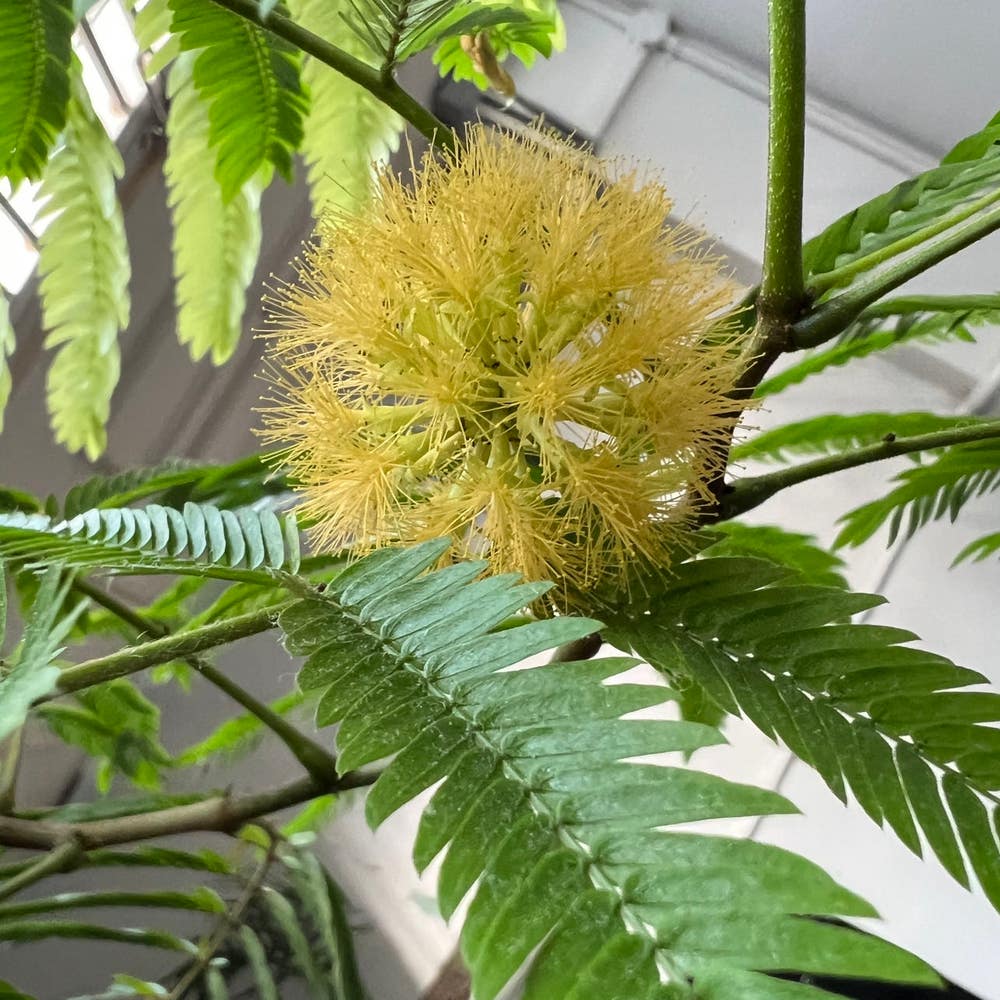
🍫 What to Do if Your Chocolate Mimosa Tree Won't Flower
Albizia julibrissin 'Summer Chocolate'
By the Greg Editorial Team
Sep 28, 2024•5 min read
This article was created with the help of AI so we can cover more plants for you. May contain errors. See one? Report it here.
Transform your Summer Chocolate Mimosa tree into a blooming beauty 🌸 with essential care tips and troubleshooting secrets!
- 🌞 Your tree needs 6-8 hours of sunlight daily to bloom effectively.
- 🌧️ Environmental stressors like drought or overwatering can prevent flowering.
- 🌱 Nutritional deficiencies in key nutrients hinder flower production; regular soil testing helps.
Common Causes of Failure to Bloom
🌧️ Environmental Stressors
Environmental factors play a crucial role in whether your Summer Chocolate Mimosa tree will bloom. Drought conditions can severely impact flower initiation, as plants need adequate moisture to produce blooms.
On the flip side, excessive moisture can lead to root rot, which stifles blooming. It's essential to strike a balance in watering to keep your tree healthy and thriving.
🍽️ Nutritional Deficiencies
Nutritional deficiencies are another common culprit behind a lack of flowers. Essential nutrients like nitrogen, phosphorus, and potassium are vital for healthy growth and blooming.
Soil testing is key to understanding your tree's nutrient levels. Regular assessments can help you identify any deficiencies and take corrective action.
☀️ Light Conditions
Light conditions significantly influence blooming as well. Your Summer Chocolate Mimosa tree requires a minimum of 6-8 hours of sunlight daily to thrive.
If nearby plants cast shade, this can hinder your tree's ability to flower. Ensuring it gets enough light is crucial for a vibrant bloom cycle.
Understanding these common causes can help you troubleshoot effectively. With the right care, your tree can flourish and produce beautiful flowers.
Factors Leading to Premature Flower Drop
💧 Watering Practices
Overwatering can be a sneaky culprit behind premature flower drop. Symptoms include yellowing leaves and wilting, which signal that roots are drowning rather than thriving.
On the flip side, underwatering can also stress your Chocolate Mimosa tree. Signs like drooping leaves and dry soil indicate it's time to hydrate your plant before it loses its buds.
🌡️ Temperature Fluctuations
Extreme temperature changes can wreak havoc on flower retention. Both scorching heat and unexpected cold snaps can cause flowers to drop prematurely.
Seasonal temperature variations also play a role. Sudden shifts between warm and cool can confuse your tree, leading to an early exit for those beautiful blooms.
🐜 Pest Infestation
Pests like aphids are notorious for causing flower drop. These tiny invaders suck the life out of your plant, leading to weakened stems and lost flowers.
Look for signs of pest damage, such as yellowing leaves and stunted growth. If you spot these issues, it’s time to take action to protect your Chocolate Mimosa tree.
Understanding these factors can help you maintain a healthy, blooming tree. Next, let’s explore how to address abnormal flower development issues.
Abnormal Flower Development Issues
🧬 Genetic Factors
Genetic predispositions can significantly influence the morphology of your Summer Chocolate Mimosa's flowers. Variability in flower shape, size, and color often stems from the plant's genetic makeup, which may not always align with your expectations.
Understanding these genetic factors can help you appreciate the unique characteristics of your tree. If your tree isn't blooming as anticipated, it may simply be a matter of its inherent traits rather than a care issue.
🌧️ Environmental Influences
Humidity levels play a crucial role in flower structure and development. High humidity can lead to issues like mold, while low humidity may cause flowers to dry out and drop prematurely.
Pollination is another vital factor in flower development. If pollinators like bees are scarce in your area, your tree may struggle to produce flowers effectively. Ensuring a healthy ecosystem around your Mimosa can enhance its blooming potential.
In summary, both genetic and environmental factors can contribute to abnormal flower development. By understanding these influences, you can take steps to create a more conducive environment for blooming.
Next, let’s explore effective pruning techniques that can enhance flowering in your Summer Chocolate Mimosa tree.
Pruning Techniques for Enhanced Flowering
Best Practices for Pruning 🌿
Pruning your Summer Chocolate Mimosa tree is essential for encouraging vibrant blooms. Focus on two primary methods: thinning and topping.
Thinning involves selectively removing branches to improve air circulation and light penetration. This technique helps the tree direct energy to its flowers rather than unnecessary foliage.
Topping, on the other hand, entails cutting back the top of the tree to promote bushier growth. While effective, be cautious; excessive topping can stress the tree and hinder flowering.
Always use clean, sharp tools to make precise cuts. This reduces the risk of disease and ensures a clean wound for the plant to heal.
Timing of Pruning to Encourage Blooming ⏰
Timing is crucial when it comes to pruning. The best window is late winter to early spring, just before new growth begins.
Pruning during this period allows the tree to recover and channel energy into blooming. Late pruning can disrupt the bloom cycle, leading to fewer flowers.
By following these pruning techniques, you can significantly enhance the flowering potential of your Summer Chocolate Mimosa tree.
Next, let’s explore troubleshooting flowering issues to ensure your tree thrives.
Troubleshooting Flowering Issues
🌱 Step-by-Step Solutions for Flowering Problems
Identifying the problem is the first step in reviving your Summer Chocolate Mimosa tree. Look for signs of failure to bloom, such as stunted growth or sparse foliage, and assess environmental factors like light, water, and soil conditions.
Once you've pinpointed the issue, implement actionable solutions. For example, if drought is the culprit, increase watering frequency. Conversely, if overwatering is evident, adjust your watering schedule and improve drainage.
🆘 When to Seek Professional Help
Sometimes, despite your best efforts, the problem persists. Indicators that professional intervention is needed include severe pest infestations or persistent nutrient deficiencies that you can't resolve on your own.
If you find yourself in this situation, don't hesitate to seek help. Resources for finding local experts in plant care can include gardening centers, agricultural extensions, or online plant care forums. They can provide tailored advice to get your tree back on track.
By following these troubleshooting steps, you can enhance your chances of seeing those beautiful blooms. Next, let’s explore effective pruning techniques that can further encourage flowering.
⚠️ Safety First
This content is for general information and may contain errors, omissions, or outdated details. It is not medical, veterinary advice, or an endorsement of therapeutic claims.
Always consult a qualified healthcare professional before using any plant as food, medicine, or supplement.
Never eat any plant (or feed one to pets) without confirming its identity with at least two trusted sources.
If you suspect poisoning, call Poison Control (800) 222-1222, the Pet Poison Helpline (800) 213-6680, or your local emergency service immediately.
Spotted an error? Please report it here.
Unlock your Summer Chocolate Mimosa's blooming potential 🌼 with Greg's tailored care tips and watering reminders, ensuring it thrives in the perfect environment for stunning flowers!