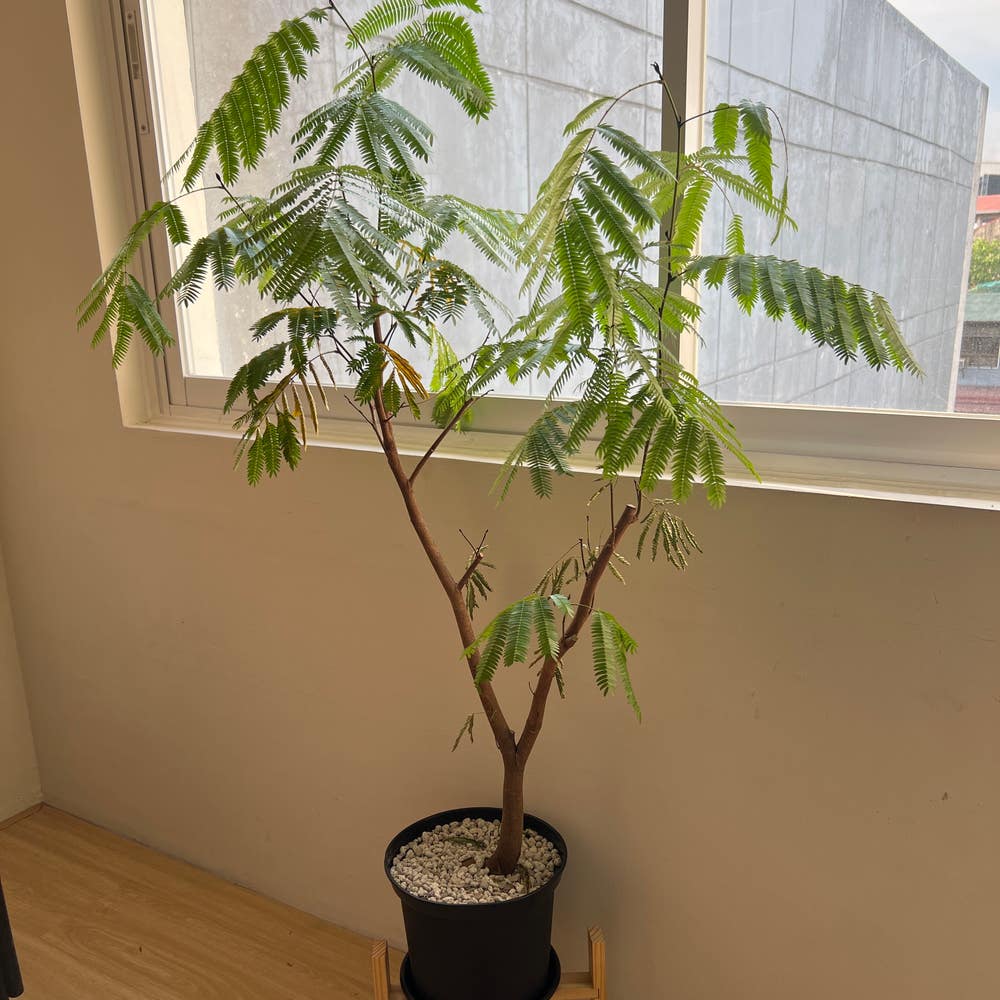
🍫 How to Fix Root Rot in Your Summer Chocolate Mimosa Tree
Albizia julibrissin 'Summer Chocolate'
By the Greg Editorial Team
Sep 28, 2024•5 min read
This article was created with the help of AI so we can cover more plants for you. May contain errors. See one? Report it here.
Revive your Summer Chocolate Mimosa Tree from root rot with these crucial diagnosis and treatment tips! 🌱
- 🌱 Early detection of root rot is key; watch for leaf discoloration and stunted growth.
- 🧪 Use a moisture meter to assess soil moisture before watering your Mimosa tree.
- ✂️ Trim decayed roots with sterilized scissors to effectively treat root rot.
Diagnosing Root Rot
👀 Visual Signs to Look For
Detecting root rot early can save your Summer Chocolate Mimosa Tree. Look for leaf discoloration, such as yellowing or browning edges, which often signals distress.
Another indicator is stunted growth; if your tree isn't producing new leaves or flowers, it might be struggling. Additionally, check the soil appearance—if it’s waterlogged or overly dry, that’s a red flag.
🔍 Soil Testing for Moisture Levels
To accurately assess moisture levels, consider using a moisture meter. This tool helps you determine if your tree is within the ideal moisture range.
You can also perform manual testing by inserting your finger or a stick into the soil. This method gives you a quick feel for dampness. Remember, testing is best done before watering to avoid misleading results.
🧑🔬 Root Examination Techniques
When it’s time to inspect the roots, start by carefully removing the plant from its pot. Handle it gently to minimize any damage to the roots.
Next, inspect the roots closely to differentiate between healthy and decayed ones. Healthy roots should be firm and exhibit a white or light tan color, indicating they are thriving.
By recognizing these signs, you can take proactive steps to treat root rot effectively. This knowledge sets the stage for the next crucial step: treating root rot.
Treating Root Rot
Step-by-Step Treatment Process 🌱
- Remove the tree from its pot: Handle it gently to avoid causing further damage to the roots.
- Clean the roots: Use sterilized scissors to trim away all affected roots, ensuring you eliminate any decay.
- Prepare a new pot: Choose one with adequate drainage holes to prevent future moisture issues.
- Use fresh, well-draining soil: Opt for a mix that promotes optimal drainage, such as a combination of potting soil, perlite, and sand.
- Replant the tree: Position it at the same depth as before to maintain stability and support.
Recommended Fungicides or Treatments 🧪
- Types of fungicides: Understand the difference between systemic and contact fungicides; the former works from within the plant, while the latter targets surface issues.
- Application methods: You can either drench the soil or spray the affected areas, depending on the severity of the rot.
- Organic alternatives: Consider using neem oil or cinnamon as natural fungicides, which can be effective and less harsh on your plant.
Repotting the Tree: When and How 🌳
- Timing for repotting: The best time to repot is during the growing season when your tree can recover more easily.
- Signs indicating the need for repotting: Look for persistent moisture issues or root crowding as indicators that it’s time to repot.
- Techniques for successful repotting: Ensure minimal disturbance to the roots during the process to promote healthy regrowth.
By following these steps, you can effectively treat root rot and give your Summer Chocolate Mimosa Tree a fighting chance. Next, let’s explore how to prevent root rot from occurring in the first place.
Preventing Root Rot
🌱 Best Soil Types for Drainage
Choosing the right soil mix is crucial for your Summer Chocolate Mimosa Tree. A combination of potting soil, perlite, and sand ensures excellent drainage and aeration.
Soil texture plays a significant role in preventing root rot. Well-aerated soil allows roots to breathe, reducing the risk of waterlogged conditions.
🚰 Watering Practices to Avoid Overwatering
Establishing a consistent watering schedule is essential. Adjust your frequency based on the season and weather conditions to keep your tree healthy.
Watch for signs of overwatering, such as consistently wet soil and leaf drop. These indicators can signal that your tree is struggling with excess moisture.
When watering, consider techniques like deep watering rather than frequent shallow watering. This approach encourages roots to grow deeper and access moisture more effectively.
🪴 Importance of Pot Size and Drainage Holes
Selecting the right pot size is vital for your tree's growth. A pot that’s too small can lead to root crowding, while one that’s too large may retain excess moisture.
Ensure your pot has multiple drainage holes. This feature is crucial for allowing excess water to escape, keeping the roots dry and healthy.
Elevating pots using pot feet or trays can enhance airflow. This simple adjustment helps prevent moisture buildup and promotes a healthier root environment.
By implementing these preventive measures, you can significantly reduce the risk of root rot in your Summer Chocolate Mimosa Tree. Next, let’s explore how to monitor and maintain your tree for ongoing health.
Monitoring and Maintenance
🌱 Regular Checks for Root Health
To keep your Summer Chocolate Mimosa Tree thriving, conduct monthly inspections during the growing season. Look for indicators of root health, such as firmness and a vibrant color; healthy roots should be white or light tan.
🍂 Seasonal Care Adjustments
As the seasons change, adjust your watering practices accordingly. In cooler months, reduce the frequency of watering to prevent soggy soil.
Fertilization is also crucial during this time. Use a balanced fertilizer to support recovery, applying it at the right intervals to promote healthy growth.
🌼 Signs of Recovery from Root Rot
Watch for signs that your tree is bouncing back from root rot. New growth, including healthy leaves and flowers, is a great indicator of recovery.
Additionally, monitor soil moisture levels; aim for consistency without sogginess. A vigorous plant will show increased resilience against pests and diseases, signaling that your care is paying off.
With these monitoring and maintenance practices, your Summer Chocolate Mimosa Tree can flourish, setting the stage for a vibrant garden.
⚠️ Safety First
This content is for general information and may contain errors, omissions, or outdated details. It is not medical, veterinary advice, or an endorsement of therapeutic claims.
Always consult a qualified healthcare professional before using any plant as food, medicine, or supplement.
Never eat any plant (or feed one to pets) without confirming its identity with at least two trusted sources.
If you suspect poisoning, call Poison Control (800) 222-1222, the Pet Poison Helpline (800) 213-6680, or your local emergency service immediately.
Spotted an error? Please report it here.
Revive your Summer Chocolate Mimosa Tree from root rot with Greg's tailored care tips 🌿, ensuring you maintain optimal soil moisture and health for a thriving plant!