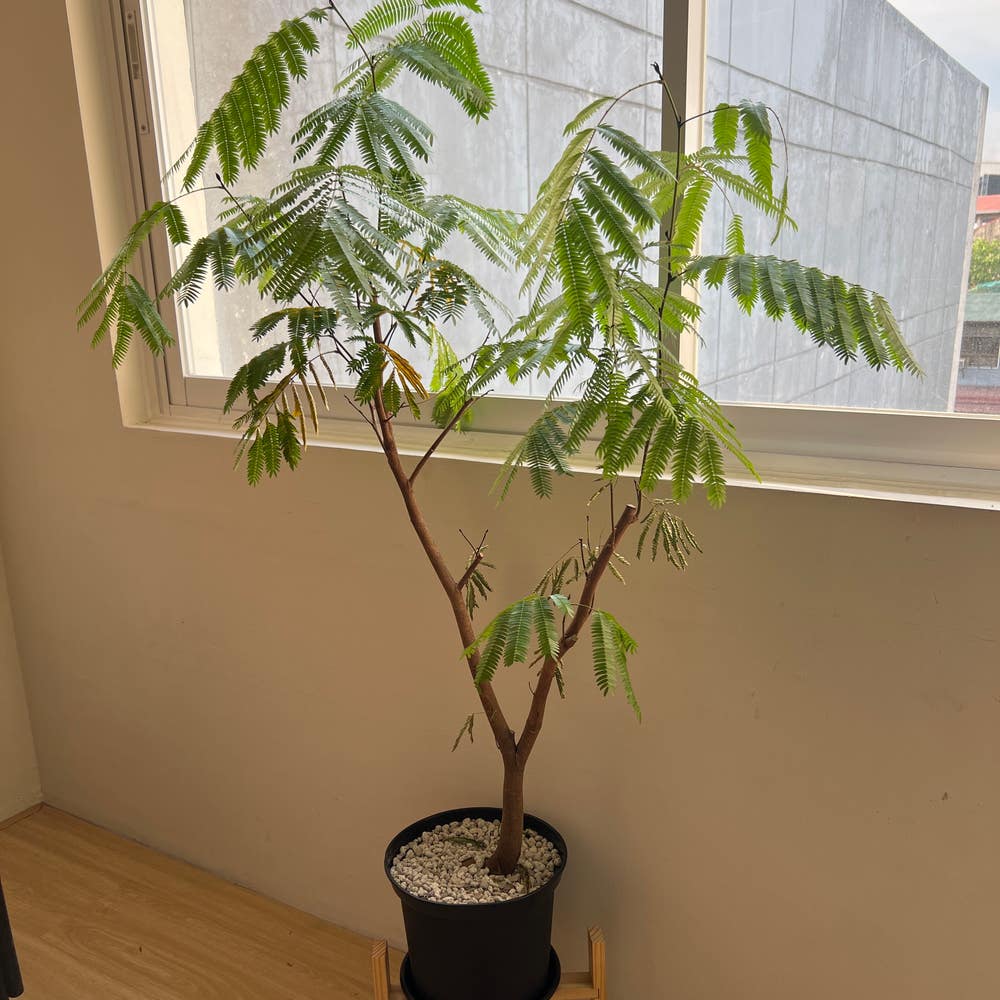
🌳 Chocolate Mimosa Tree Falling Over
Albizia julibrissin 'Summer Chocolate'
By the Greg Editorial Team
Sep 28, 2024•6 min read
This article was created with the help of AI so we can cover more plants for you. May contain errors. See one? Report it here.
Transform your Summer Chocolate Mimosa tree's health 🌱 with essential tips to prevent leaf drop and ensure vibrant growth!
- 🌡️ Temperature fluctuations and low humidity can cause wilting and leaf drop.
- 🌱 Overwatering and poor drainage lead to root rot, harming tree health.
- 🐛 Pests like aphids and spider mites threaten your tree; regular checks are essential.
Causes of Leaf Drop
🌡️ Environmental Stress Factors
Temperature fluctuations can be a real shock to your Summer Chocolate Mimosa tree. Sudden changes in temperature often lead to wilting and leaf drop, making it essential to maintain a stable environment.
Humidity levels also play a crucial role. Low humidity can stress the tree, resulting in leaves falling prematurely.
Soil conditions are another factor to consider. Poor drainage or compacted soil can lead to root issues, which ultimately affect leaf health.
🦠 Common Diseases
Root rot is a significant concern for tree health. Overwatering can cause this condition, leading to wilting and leaf drop that can be hard to reverse.
Fungal infections are another culprit. Symptoms often include yellowing leaves and premature leaf drop, signaling that your tree needs immediate attention.
Identifying signs of disease is vital for early intervention. Look for discoloration, spots, or unusual growth patterns to catch issues before they escalate.
🐜 Pest Infestations
Aphids are small but mighty pests that can wreak havoc on your tree. Signs of an infestation include curled leaves and sticky residue, which can indicate a serious problem.
Spider mites are another pest to watch for. Look for fine webbing and stippled leaves, as these can be telltale signs of their presence.
The impact of pests on leaf health cannot be underestimated. Infestations can weaken the tree, leading to further leaf drop and overall decline in vitality.
Understanding these causes of leaf drop is crucial for maintaining the health of your Summer Chocolate Mimosa tree. By addressing environmental stressors, diseases, and pests, you can help ensure your tree thrives.
Next, we'll dive into diagnosing leaf issues to better understand how to care for your tree effectively.
Diagnosing Leaf Issues
🌧️ Assessing Soil Moisture Levels
Soil moisture is crucial for healthy tree growth and preventing leaf drop. Regularly checking moisture levels helps ensure your tree thrives.
To test soil dampness, use a moisture meter or simply stick your finger into the soil. Aim for consistently moist soil, but avoid waterlogged conditions to keep your tree happy.
🦠 Checking for Root Rot
Root rot is a serious issue that can lead to wilting leaves and stunted growth. If you notice a foul odor from the soil, it’s time to investigate.
Gently remove the tree from its pot to inspect the roots for signs of decay. To prevent root rot, ensure your tree has well-draining soil and avoid overwatering.
☀️ Evaluating Light Conditions
Your tree loves full sun, ideally 6-8 hours daily. Insufficient light can lead to leggy growth, pale leaves, and ultimately, leaf drop.
If your tree isn’t getting enough light, consider moving it to a sunnier spot. This simple adjustment can make a world of difference in its health.
By diagnosing these leaf issues, you can take proactive steps to nurture your tree back to health. Next, let’s explore preventive measures to keep your tree thriving year-round.
Preventive Measures
Proper Watering Techniques 🌊
Watering your Summer Chocolate Mimosa tree correctly is crucial for its health. Allow the top inch of soil to dry out before watering again to prevent over-saturation.
Deep watering is essential; it encourages roots to grow strong and deep. Consistent watering helps prevent stress and promotes lush, vibrant foliage.
Soil Amendments for Drainage 🏞️
Using the right soil type is vital for your tree's well-being. A well-draining loamy soil enriched with organic matter is recommended.
To improve drainage, consider adding perlite or sand to your soil mix. You can test soil drainage by observing how quickly water absorbs; this will help you gauge if adjustments are needed.
Seasonal Care Adjustments 🌦️
Adjusting your care routine based on the seasons can make a significant difference. Increase watering during hot months and reduce it in cooler months to match the tree's needs.
A balanced fertilizer should be applied in spring and mid-summer to support growth. Additionally, keep an eye out for seasonal pests that may emerge as temperatures rise, ensuring your tree stays healthy and thriving.
With these preventive measures in place, your Summer Chocolate Mimosa will be better equipped to handle environmental stressors and thrive throughout the seasons. Next, let’s explore treatment options to address any issues that may arise.
Treatment Options
🐞 Pest Control Methods
Dealing with pests is crucial for maintaining the health of your Summer Chocolate Mimosa tree. For organic pest control, consider using neem oil or insecticidal soap, which effectively target aphids and spider mites without harming beneficial insects.
If the infestation is severe, you might need to resort to chemical options like systemic insecticides. Regular monitoring is essential; check your tree's leaves weekly for early signs of pests to catch issues before they escalate.
🌱 Fertilization Strategies
To promote optimal growth, use a balanced NPK fertilizer. This ensures your tree receives the essential nutrients it needs to thrive.
Timing is key; apply fertilizer during the growing season and avoid late fall applications. Watch for signs of nutrient deficiency, such as yellowing leaves and poor growth, which indicate that your tree may need a nutrient boost.
✂️ Pruning Techniques
Pruning plays a vital role in your tree's health by encouraging air circulation and removing dead or diseased branches. The best time to prune is late winter or early spring, just before new growth begins.
When pruning, use clean, sharp tools to make precise cuts. This minimizes damage to the tree and promotes faster healing, ensuring your Summer Chocolate Mimosa remains vibrant and healthy.
By implementing these treatment options, you can effectively manage pests, nourish your tree, and maintain its overall health. Next, let’s explore how to monitor and maintain your tree for long-term success.
Monitoring and Maintenance
Regular Health Checks 🌱
To keep your Summer Chocolate Mimosa tree thriving, inspect it bi-weekly for any signs of stress or pests. Focus on leaf color, growth patterns, and overall vigor to catch issues early.
Documenting changes in a care journal can help you track the tree's health over time. This practice not only fosters awareness but also aids in identifying recurring problems.
Seasonal Adjustments in Care ☀️
Tailoring your care routine to seasonal changes is crucial for your tree's well-being. Increase watering during the hot summer months and reduce it in winter to match the tree's needs.
Adjust your fertilization schedule based on growth stages, providing more frequent feeding during active growth periods. Additionally, prepare for winter by mulching around the base to protect the roots from the cold.
Signs of Recovery and Ongoing Care 🌿
Watch for indicators of improved health, such as new growth, vibrant leaf color, and reduced leaf drop. These signs signal that your care efforts are paying off.
Continuing care practices like consistent watering and regular pest monitoring will help maintain your tree's health. Regularly update your care strategies based on how the tree performs, ensuring it remains a thriving part of your garden.
With these monitoring and maintenance tips, you can enjoy a flourishing Summer Chocolate Mimosa tree for years to come!
⚠️ Safety First
This content is for general information and may contain errors, omissions, or outdated details. It is not medical, veterinary advice, or an endorsement of therapeutic claims.
Always consult a qualified healthcare professional before using any plant as food, medicine, or supplement.
Never eat any plant (or feed one to pets) without confirming its identity with at least two trusted sources.
If you suspect poisoning, call Poison Control (800) 222-1222, the Pet Poison Helpline (800) 213-6680, or your local emergency service immediately.
Spotted an error? Please report it here.
Keep your Summer Chocolate Mimosa tree standing tall 🌳 by using Greg's personalized care reminders and community tips to tackle moisture and pest issues for vibrant growth!