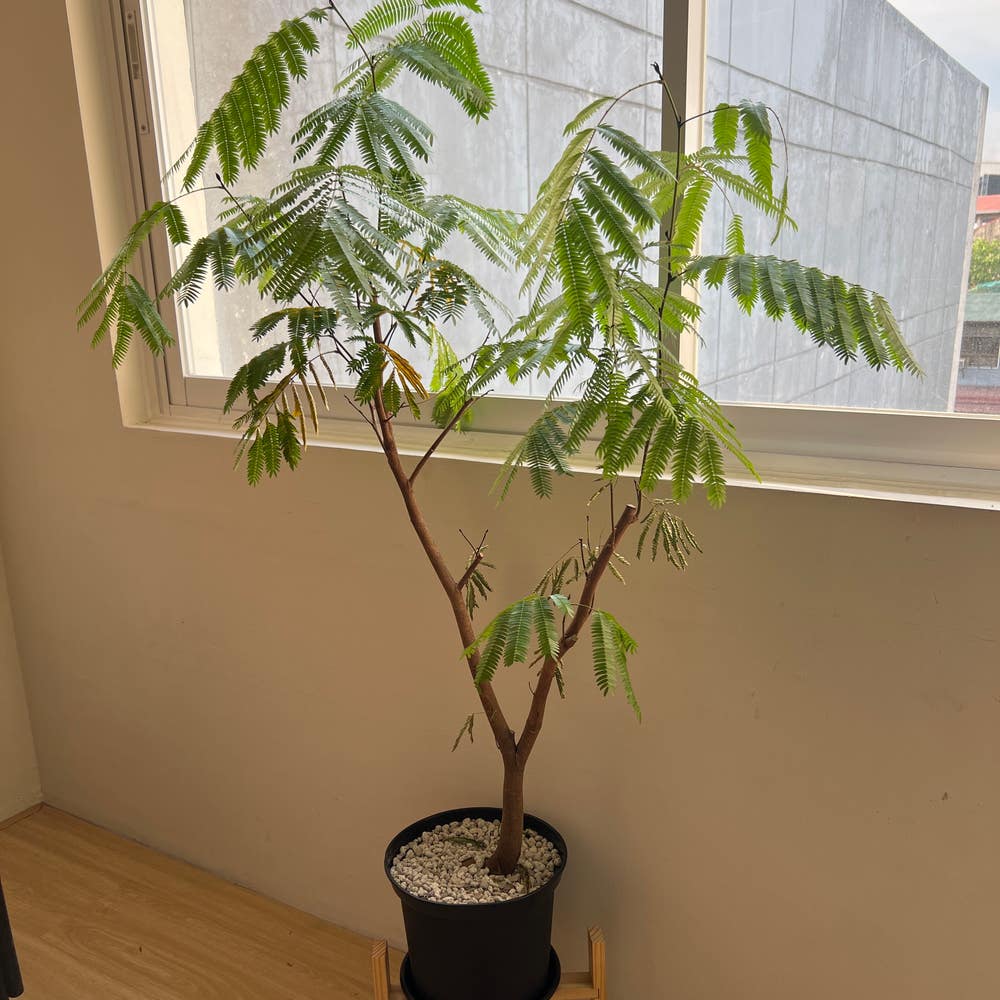
5 Key Phases of Summer Chocolate Mimosa Tree Development 🍫
Albizia julibrissin 'Summer Chocolate'
By the Greg Editorial Team
Sep 28, 2024•6 min read
This article was created with the help of AI so we can cover more plants for you. May contain errors. See one? Report it here.
Nurture a stunning Summer Chocolate Mimosa tree 🌳 and watch it flourish through its vibrant life stages!
- 🌱 Germination takes 7-14 days in well-draining, fertile soil with pH 6.0-7.5.
- 🌞 Full sun and moisture are vital for robust vegetative growth over 1-3 years.
- 🌸 Flowering occurs May-July, attracting pollinators essential for seed production.
Germination Stage
🌱 Duration of Germination
The germination period for the Summer Chocolate Mimosa tree typically spans 7-14 days under optimal conditions. This timeframe is crucial for kickstarting the tree's life cycle.
🌟 Conditions for Successful Germination
To ensure successful germination, specific conditions must be met:
🌿 Soil Requirements
Use well-draining, fertile soil with a pH between 6.0 to 7.5. This balance promotes healthy root development.
🌡️ Temperature
Maintain an ideal temperature range of 70°F to 85°F (21°C to 29°C). This warmth encourages the seeds to sprout effectively.
💧 Moisture
Consistent moisture is key, but avoid waterlogging. Utilizing a humidity dome can significantly enhance germination success by retaining moisture levels.
By carefully managing these conditions, you set the stage for a thriving Summer Chocolate Mimosa tree. Next, we’ll explore the exciting seedling stage, where the tree begins to take shape.
Seedling Stage
🌱 Characteristics of Seedlings
During the seedling stage, you'll notice small, delicate leaves that boast a unique chocolate hue. These seedlings typically stand at an initial height of 2-4 inches, showcasing their early growth.
Root development is crucial at this stage. A strong taproot establishes stability, anchoring the seedling as it prepares for future growth.
⏳ Duration and Care During This Phase
This phase lasts approximately 4-6 weeks, giving seedlings enough time to strengthen before transplanting.
To ensure healthy growth, regular watering is essential. Protect your seedlings from direct sunlight and keep an eye out for pests that might disrupt their development.
With proper care, your chocolate mimosa seedlings will thrive, setting the stage for the next exciting phase of growth.
Vegetative Growth Stage
Growth Patterns and Changes 🌱
During the vegetative growth stage, the summer chocolate mimosa tree experiences rapid height increases, typically reaching 1-2 feet per year. This phase is also marked by the expansion of leaves, showcasing the tree's unique chocolate coloration that adds to its visual appeal.
Duration of Vegetative Growth ⏳
This growth stage lasts between 1 to 3 years, influenced by environmental conditions and care practices. To thrive, the tree requires warm temperatures, full sun exposure, and adequate moisture, all of which are essential for robust development.
As the tree matures, it becomes a striking addition to any landscape, setting the stage for the next exciting phase of its life cycle: flowering.
Flowering Phase
Timing and Characteristics of Flowering 🌸
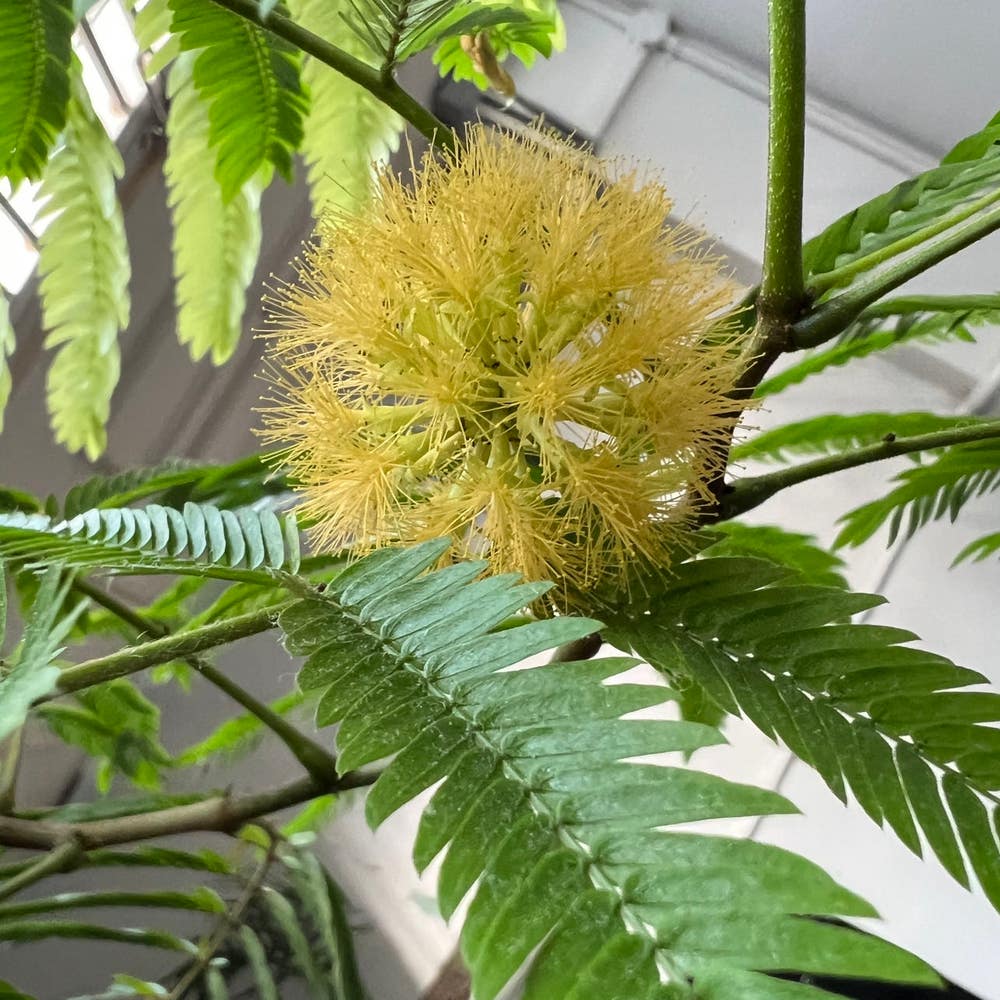
The flowering phase of the Summer Chocolate Mimosa Tree typically kicks off in late spring to early summer, specifically between May and July. During this time, the tree bursts into bloom with stunning pink, fluffy flowers that not only beautify the landscape but also attract a variety of pollinators.
Pollination and Its Significance 🐝
Pollination is primarily carried out by bees and other insects, playing a crucial role in the tree's reproductive cycle. This process is essential for successful seed production and contributes to genetic diversity, ensuring the resilience of future generations.
With the flowering phase setting the stage for seed production, understanding this critical period helps in appreciating the tree's lifecycle. Next, we’ll delve into the fascinating process of seed formation and what it entails.
Seed Production
Process of Seed Formation 🌱
Seed formation kicks off shortly after the flowering phase. As summer progresses, pods begin to develop, showcasing their long, flat shape.
These pods turn a rich brown when mature, each containing several seeds ready for the next generation. It’s a fascinating transformation that highlights the tree's reproductive cycle.
Duration and Conditions for Seed Production ⏳
The seed production phase typically lasts about 2-3 months after flowering. During this time, warm temperatures and adequate moisture are crucial for successful seed maturation.
Without these conditions, the seeds may not develop properly, impacting future growth. Keeping an eye on the weather can make all the difference in this critical phase.
As we move forward, understanding the growth rate and maturation of the Summer Chocolate Mimosa Tree will provide insights into its long-term development.
Growth Rate and Maturation
How Long Until Fully Grown? 🌳
The summer chocolate mimosa tree typically reaches full maturity within 3 to 5 years. This timeframe allows the tree to develop its unique characteristics and robust structure.
Factors Affecting Growth Rate 🌱
Several factors influence the growth rate of the chocolate mimosa tree.
- Environmental Influences: Soil quality, water availability, and sunlight exposure play crucial roles in determining how quickly the tree grows.
- Genetic Factors: Variability among individual trees can also affect growth rates, leading to differences in how quickly each tree matures.
Average Maturation Time ⏳
On average, you can expect the chocolate mimosa tree to mature in about 3 to 5 years under optimal conditions. This period is essential for achieving the tree's full potential in size and health.
Understanding these growth dynamics can help you provide the best care for your chocolate mimosa tree, ensuring it thrives as it matures. Next, let’s explore the notable changes that occur throughout its life cycle.
Notable Changes Throughout Life Cycle
🌳 Physical Changes in the Tree
As the summer chocolate mimosa tree matures, it undergoes significant physical transformations. You'll notice an increase in height, trunk thickness, and canopy spread, creating a more robust and visually striking tree.
The foliage also evolves, transitioning to a darker chocolate color that deepens with age. This rich hue not only enhances the tree's aesthetic appeal but also signals its health and vitality.
🌦️ Seasonal Adaptations and Responses
Throughout the year, the tree exhibits fascinating seasonal changes. In winter, it sheds its leaves, conserving energy until the warmer months return.
Come spring, the tree bursts back to life, showcasing new growth and vibrant flowers. Its ability to adapt to seasonal shifts highlights its resilience, particularly in warm climates.
🌍 Environmental Influences on Development
The summer chocolate mimosa tree thrives in warm, humid conditions, especially those found in the southeastern U.S. This climate is ideal for its growth, allowing it to flourish and reach its full potential.
Soil quality and moisture levels play crucial roles in the tree's overall health. A well-draining, fertile soil will support robust growth, while consistent moisture ensures the tree remains vibrant and strong.
These notable changes throughout the life cycle of the summer chocolate mimosa tree not only reflect its adaptability but also its beauty. Understanding these phases can help you appreciate the intricate processes that contribute to its development.
As we move forward, let's explore how growth rates and maturation times impact the overall life cycle of this unique tree.
⚠️ Safety First
This content is for general information and may contain errors, omissions, or outdated details. It is not medical, veterinary advice, or an endorsement of therapeutic claims.
Always consult a qualified healthcare professional before using any plant as food, medicine, or supplement.
Never eat any plant (or feed one to pets) without confirming its identity with at least two trusted sources.
If you suspect poisoning, call Poison Control (800) 222-1222, the Pet Poison Helpline (800) 213-6680, or your local emergency service immediately.
Spotted an error? Please report it here.
Nurture your Summer Chocolate Mimosa tree to bloom beautifully 🌸 with Greg's tailored care reminders that guide you from germination to full maturity!