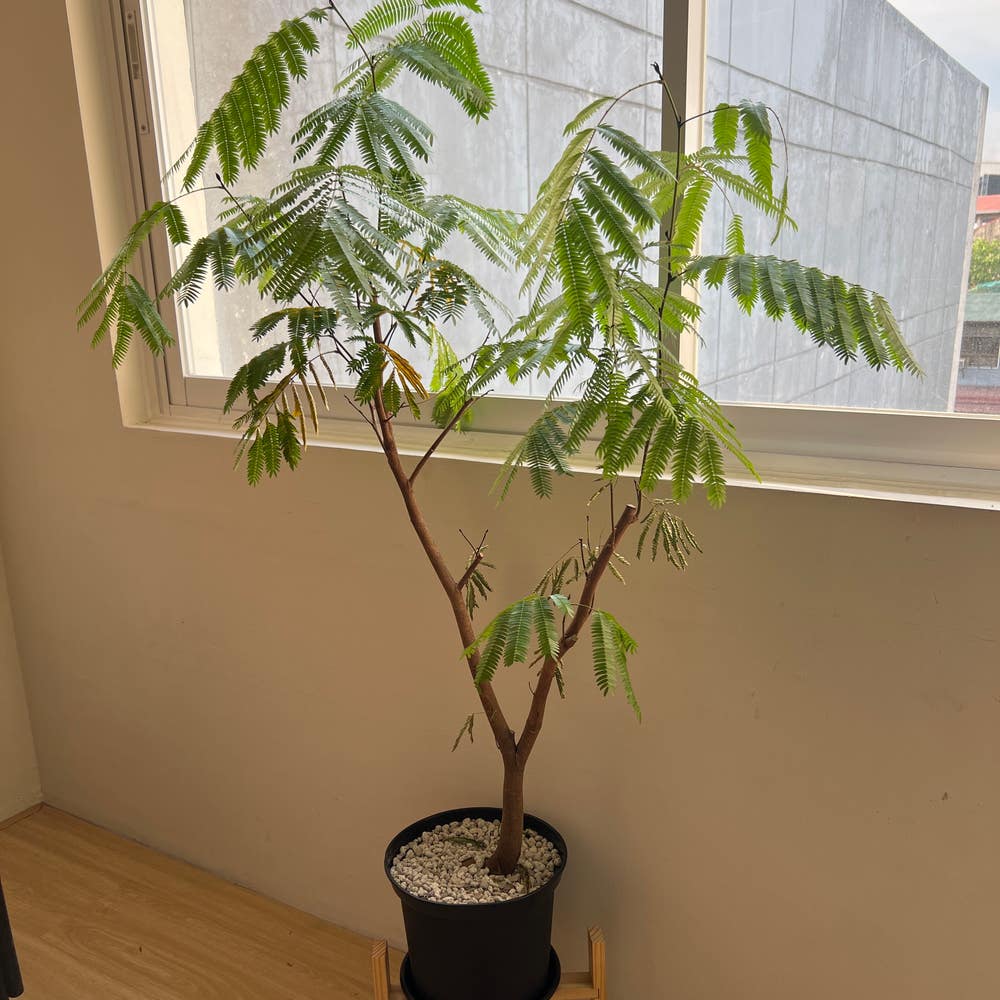
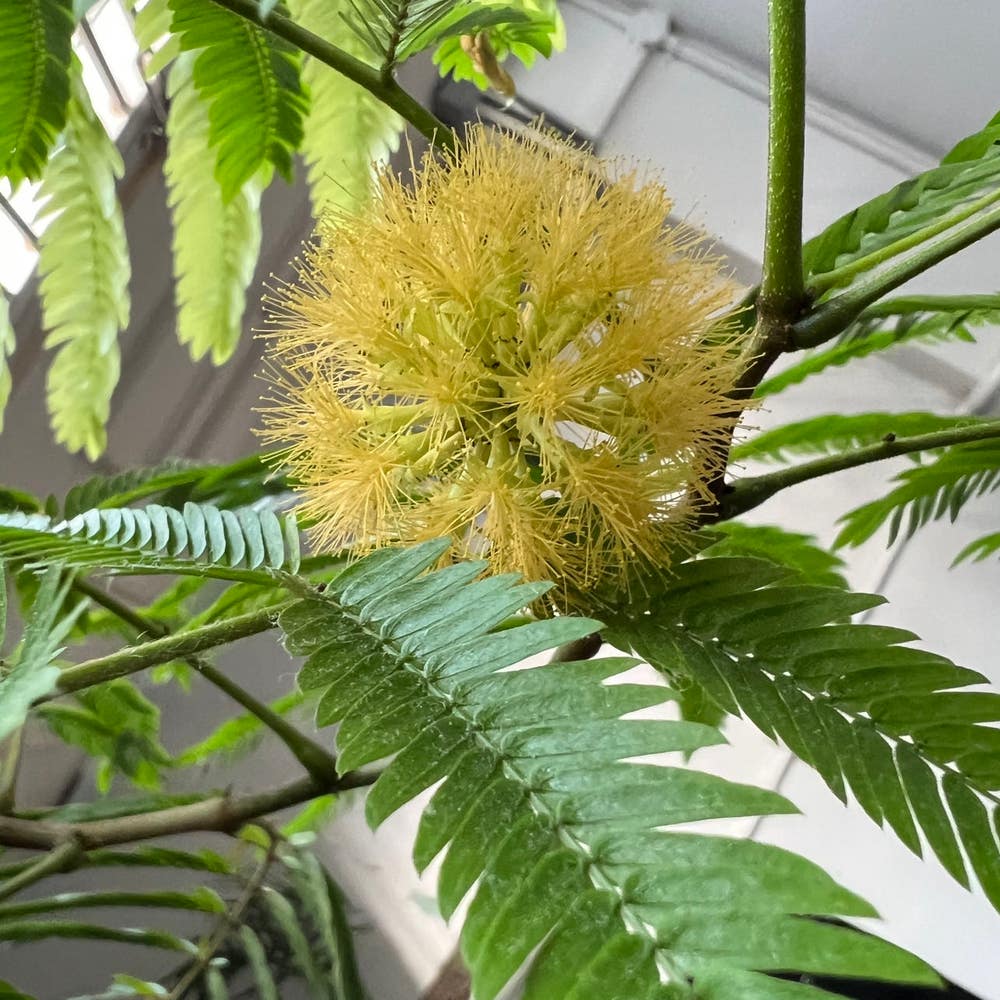
🍫 How to Fix Black Spots on Your Summer Chocolate Mimosa Tree
Albizia julibrissin 'Summer Chocolate'
By the Greg Editorial Team
Sep 28, 2024•6 min read
This article was created with the help of AI so we can cover more plants for you. May contain errors. See one? Report it here.
Revive your Summer Chocolate Mimosa tree 🌳 with essential care tips to combat black spots and ensure vibrant growth!
- 🌞 Maintain humidity between 40%-60% for optimal Summer Chocolate Mimosa growth.
- 🐛 Early pest detection is crucial; look for sticky residue and webbing.
- 🌱 Use organic treatments like neem oil to effectively combat black spots.
Diagnosing the Problem
Assessing Environmental Factors 🌤️
To keep your Summer Chocolate Mimosa tree thriving, start by checking the humidity levels. Ideally, maintain humidity between 40% and 60% to support healthy growth.
Next, consider sunlight exposure. This tree prefers full sun but can tolerate partial shade, so ensure it gets at least six hours of sunlight daily.
Temperature fluctuations can also affect your tree's health. Extreme changes can make it more susceptible to diseases, so try to keep it in a stable environment.
Checking for Pests 🐜
Common pests like aphids and spider mites can wreak havoc on your tree. Identifying these pests early is crucial for effective management.
Look for signs of infestation such as sticky residue on leaves, webbing, or curling leaves. These indicators can signal that your tree is under attack.
Pests can significantly impact leaf health, leading to the dreaded black spots. Addressing infestations promptly can help preserve your tree's vitality.
Evaluating Soil Conditions 🌱
Next, assess your soil drainage. Well-drained soil is essential for the health of your Mimosa tree, as it prevents root rot and other issues.
Check the nutrient levels in your soil. Deficiencies in key nutrients can contribute to leaf discoloration, so consider a soil test if you notice any issues.
Finally, monitor soil moisture. Maintaining ideal moisture levels is crucial to prevent overwatering, which can harm your tree's roots and overall health.
By carefully diagnosing these factors, you can set your Summer Chocolate Mimosa tree on the path to recovery and vibrant growth. Next, let’s explore treatment options to tackle those pesky black spots effectively.
Treatment Options
🌱 Organic Treatments for Black Spots
One effective organic treatment for black spots on your Summer Chocolate Mimosa is neem oil. To apply, mix neem oil with water according to the product's instructions and spray it on affected leaves every two weeks.
Another simple solution is a baking soda mixture. Combine one tablespoon of baking soda with a gallon of water, and spray it on the leaves weekly to help combat fungal issues.
Organic treatments not only target black spots but also promote overall tree health. They are safer for beneficial insects and the environment, making them a great choice for eco-conscious gardeners.
⚗️ Chemical Fungicides: When and How to Use
If organic methods don’t yield results, consider chemical fungicides. Products containing chlorothalonil or copper-based fungicides are effective against leaf spot diseases.
Timing is crucial for application; treat your tree during early signs of disease or when conditions are favorable for fungal growth. This proactive approach maximizes the fungicide's effectiveness.
Always take safety precautions when using chemical treatments. Protect beneficial insects by applying fungicides in the evening and avoid spraying on windy days to minimize drift.
🏡 Home Remedies for Leaf Spot Issues
For a more DIY approach, try a milk spray. Mix one part milk with two parts water and spray it on the leaves weekly. This can help reduce fungal infections naturally.
Another option is a garlic or pepper spray. Blend garlic or hot peppers with water, strain the mixture, and spray it on affected areas to deter pests and fungi.
While home remedies can be effective, their efficacy may vary compared to commercial products. However, they offer a low-cost, eco-friendly alternative worth trying before resorting to stronger chemicals.
With these treatment options, you can effectively tackle black spots on your Summer Chocolate Mimosa. Next, let’s explore preventive measures to keep your tree healthy and vibrant year-round.
Preventive Measures
Best Practices for Watering and Soil Management 🌊
Maintaining the right watering schedule is crucial for your Summer Chocolate Mimosa tree. Aim to water deeply but infrequently, allowing the top inch of soil to dry out between sessions.
Soil amendments can significantly enhance drainage and nutrient content. Consider adding organic matter like compost to improve soil structure and fertility.
Recognizing signs of overwatering is essential to prevent root rot. Yellowing leaves and a soggy soil surface are clear indicators that you need to adjust your watering habits.
Importance of Proper Pruning Techniques ✂️
Pruning plays a vital role in promoting air circulation around your tree's foliage. This practice helps reduce humidity, which can lead to fungal issues.
Timing your pruning is equally important. Late winter or early spring is ideal, as it minimizes stress and encourages healthy growth.
Using the right tools and techniques is key to avoiding injury to your tree. Sharp, clean pruning shears will make precise cuts, promoting faster healing.
Seasonal Care Tips to Prevent Black Spots 🍂
Spring is the perfect time for preparations, including fertilization and pest control measures. A well-timed application of fertilizer can boost growth and resilience.
During summer, regular monitoring is essential. Keep an eye out for early signs of disease, as catching issues early can save your tree from serious damage.
Fall cleanup shouldn't be overlooked. Removing fallen leaves and debris helps prevent the buildup of pests and diseases, setting your tree up for a healthy winter.
By implementing these preventive measures, you can significantly reduce the risk of black spots on your Summer Chocolate Mimosa tree. Next, let’s explore monitoring and maintenance strategies to keep your tree thriving year-round.
Monitoring and Maintenance
🌿 Regular Inspection of Leaves for Early Signs
Regular inspections are crucial for maintaining the health of your Summer Chocolate Mimosa tree. Aim for weekly checks during the growing season to catch any issues early.
Look for changes in leaf color, texture, and overall health. These signs can indicate stress or disease, allowing you to take action before problems escalate.
🌱 Maintaining Tree Health Through Fertilization
Fertilization plays a key role in keeping your tree vibrant. Use fertilizers with appropriate NPK ratios, ideally balanced for the Summer Chocolate Mimosa.
Timing is everything; apply nutrients in early spring and mid-summer for optimal growth. Keep an eye out for signs of nutrient deficiencies, such as yellowing leaves, and address them promptly to ensure your tree thrives.
🍂 Adjusting Care Based on Seasonal Changes
Seasonal care adjustments are vital for your tree's well-being. In winter, protect your Mimosa from cold stress by mulching and wrapping the base if necessary.
During summer, increase watering and stay vigilant against pests. Tailor your care to local climate variations, adapting your approach to ensure your tree remains healthy year-round.
By staying proactive in monitoring and maintenance, you can enjoy a flourishing Summer Chocolate Mimosa tree. Next, let’s explore preventive measures to keep those pesky black spots at bay.
⚠️ Safety First
This content is for general information and may contain errors, omissions, or outdated details. It is not medical, veterinary advice, or an endorsement of therapeutic claims.
Always consult a qualified healthcare professional before using any plant as food, medicine, or supplement.
Never eat any plant (or feed one to pets) without confirming its identity with at least two trusted sources.
If you suspect poisoning, call Poison Control (800) 222-1222, the Pet Poison Helpline (800) 213-6680, or your local emergency service immediately.
Spotted an error? Please report it here.
Keep your Summer Chocolate Mimosa tree thriving 🌳 by using Greg for tailored care reminders and pest management tips that will help you prevent black spots and promote vibrant growth!