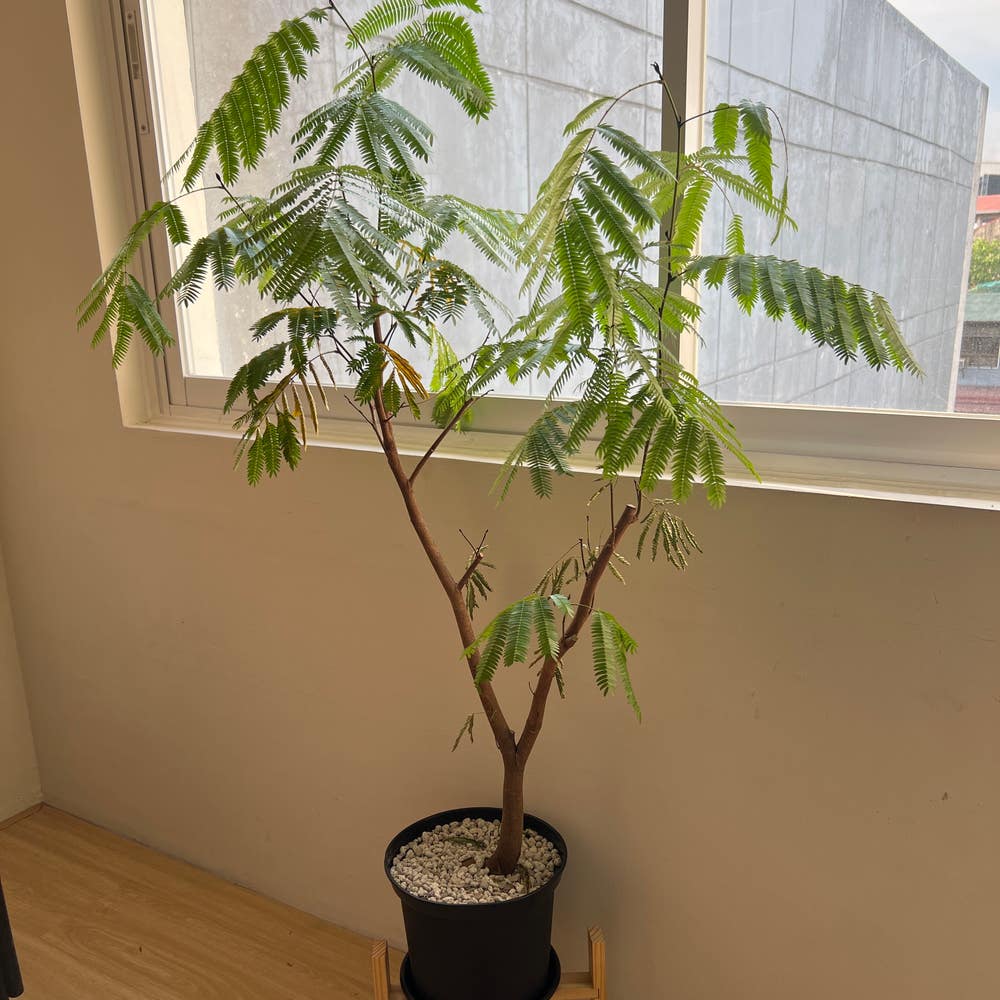
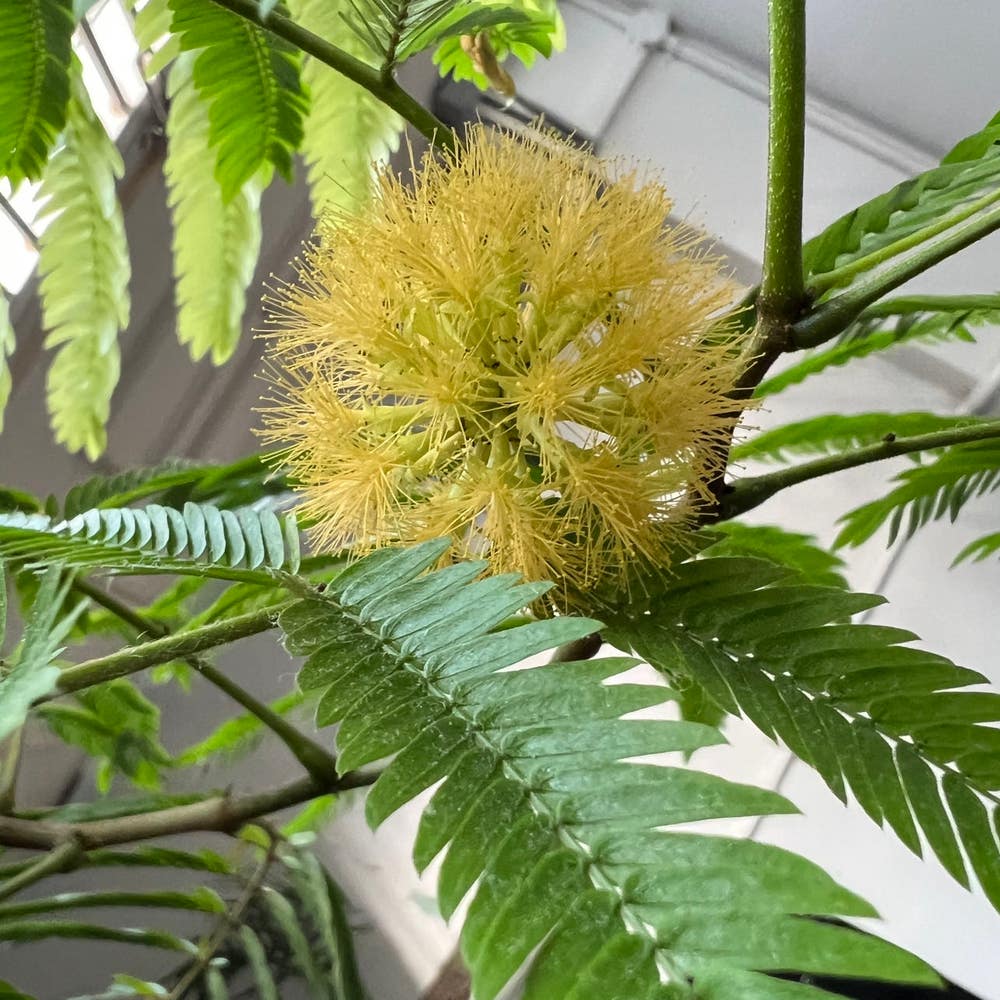
3 Tips for Healthy Summer Chocolate Mimosa Tree Roots 🍫
Albizia julibrissin 'Summer Chocolate'
By the Greg Editorial Team
Sep 28, 2024•6 min read
This article was created with the help of AI so we can cover more plants for you. May contain errors. See one? Report it here.
Master root health for your chocolate mimosa trees 🌱 and watch them thrive with vibrant growth and resilience!
- 🌱 Chocolate mimosa roots reach 3-6 feet deep for moisture access and stability.
- 💧 Deep watering encourages downward root growth, enhancing resilience during dry spells.
- 🌿 Healthy roots are firm and white; dark, mushy roots indicate problems like rot.
Root Depth and Spread
Typical Root Depth 🌱
The average root depth for chocolate mimosa trees ranges from 3 to 6 feet, depending on soil conditions. Deep roots are crucial for accessing moisture, especially during dry spells, ensuring your tree remains healthy and vibrant.
Root Spread Patterns 🌍
These trees typically spread their roots 10 to 15 feet in diameter. This expansive growth means you'll need to consider planting distances from other plants and structures to avoid competition for nutrients and space.
Growth Patterns 📈
Seasonal growth patterns significantly influence root development. Environmental factors like soil type and moisture levels play a vital role, affecting how well your tree's roots can establish and thrive.
Understanding these aspects of root depth and spread is essential for promoting a healthy chocolate mimosa tree. Next, we’ll explore effective watering and fertilizing techniques to support robust root health.
Watering and Fertilizing Techniques
🌱 Impact of Root System on Watering Needs
Understanding the taproot characteristics of your tree is essential for effective watering. A deep taproot allows the tree to access moisture from deeper soil layers, reducing the frequency of watering.
For optimal root health, consider using deep watering techniques. This encourages roots to grow downwards, promoting stability and resilience during dry spells.
🌿 Fertilizing Techniques Tailored to Root Health
When it comes to fertilizing, timing and technique matter. Start with a balanced fertilizer that promotes root growth, such as those high in phosphorus.
Apply fertilizers in early spring, just as new growth begins. This timing aligns with root development, ensuring your tree gets the nutrients it needs when it’s most active.
Types of Fertilizers
- Granular Fertilizers: Slow-release options are great for long-term nourishment.
- Liquid Fertilizers: These provide a quick nutrient boost, ideal for immediate needs.
📈 Best Practices for Fertilizing
To maximize effectiveness, follow these best practices:
- Soil Testing: Check nutrient levels before applying fertilizers.
- Even Distribution: Spread fertilizers evenly around the root zone.
- Watering After Application: This helps nutrients penetrate the soil and reach the roots.
By focusing on these watering and fertilizing techniques, you can significantly enhance your tree's root health. Healthy roots lead to a thriving tree, setting the stage for the next section on common root issues.
Common Root Issues
Identifying Root-Related Problems 🌱
Healthy roots are crucial for your tree's vitality, but they can face several challenges. Common issues include root rot, pest infestations, and nutrient deficiencies.
Root rot is particularly concerning. Look for signs like mushy roots, a foul odor, and wilting leaves. These indicators suggest your tree is struggling and needs immediate attention.
Prevention and Solutions for Root Issues 🛠️
Preventing root problems starts with good practices. Ensure proper drainage to avoid waterlogging, which can lead to root rot. Regularly inspect your tree for pests and nutrient imbalances.
If you notice issues, act quickly. Repotting can help, especially if the soil is compacted or depleted. Adding soil amendments can also boost root health, providing essential nutrients for recovery.
By staying vigilant and proactive, you can keep your tree's roots healthy and thriving. This foundation will support overall plant resilience and growth.
Next, let’s explore how to recognize indicators of root health, ensuring your tree remains robust and vibrant.
Indicators of Root Health
👀 Visual Cues for Healthy vs. Unhealthy Roots
Healthy roots are your tree's lifeline. Look for firm textures, a vibrant white color, and minimal damage as signs of robust root health.
On the flip side, unhealthy roots can spell trouble. Dark, mushy, or discolored roots indicate potential issues that need immediate attention.
📊 Other Indicators of Root Health
Beyond roots, overall plant vigor is crucial. Pay attention to leaf color, growth rate, and flowering; these factors reflect the tree's health.
Soil moisture levels also play a significant role. Consistent moisture correlates with healthy roots, ensuring your tree thrives in its environment.
Understanding these indicators empowers you to take proactive measures for your tree's well-being. With this knowledge, you can nurture a resilient plant that flourishes throughout the seasons.
Next, let’s explore rootbound conditions and how to recognize and address them effectively.
Rootbound Conditions
Definition and Recognition 🌱
"Rootbound" refers to a condition where a tree's roots have filled its pot, leading to a cramped environment. This can hinder growth and nutrient absorption, making it crucial to recognize the signs early.
Common indicators of rootbound plants include circling roots that wrap around the pot, stunted growth that fails to meet seasonal expectations, and poor water absorption, which can lead to wilting leaves. If you notice these symptoms, it’s time to take action.
When and How to Address Rootbound Issues 🛠️
Timing is essential when addressing rootbound conditions. Ideally, you should intervene during the growing season, allowing the tree to recover and thrive in its new environment.
Here’s a step-by-step guide to help you tackle rootbound issues:
- Remove the plant from its pot carefully. Gently loosen the soil around the edges to avoid damaging the roots.
- Inspect the root system for circling roots. Look for any roots that are tightly wound and may need trimming.
- Trim any excessively long or damaged roots. Use clean, sharp scissors to make precise cuts, promoting healthier growth.
- Repot in a larger container with fresh soil. Choose a pot that offers ample space for growth and fill it with nutrient-rich soil.
By following these steps, you can help your tree flourish and prevent future rootbound conditions. Understanding and addressing root health is vital for the overall vitality of your plant, setting the stage for its continued growth and resilience.
Next, we’ll explore propagation and division techniques to further enhance your tree care knowledge.
Propagation and Division Techniques
🌱 Importance of Root Health in Propagation
Healthy roots are crucial for successful propagation. They provide the necessary nutrients and stability for new plants, ensuring they thrive in their new environment.
To promote root health during propagation, start with a clean workspace and tools. This minimizes the risk of disease and helps maintain the integrity of the roots.
✂️ Techniques for Dividing and Propagating the Tree
Dividing a tree can be a rewarding process. Follow these steps for effective propagation through division:
Choose a healthy parent plant. Look for one that shows vibrant leaves and strong growth.
Carefully dig up the plant and separate the root ball. Use a spade to gently lift the plant, being cautious not to damage the roots.
Ensure each division has sufficient roots and shoots. Each new section should have a balanced amount of roots and foliage for optimal growth.
Replant divisions in suitable soil and conditions. Choose a well-draining soil mix and provide adequate light and moisture to help them establish.
By following these steps, you can successfully propagate your tree and enjoy the satisfaction of nurturing new life. Understanding root health not only enhances propagation success but also contributes to the overall resilience of your plants.
Next, we’ll explore common root issues and how to tackle them effectively.
⚠️ Safety First
This content is for general information and may contain errors, omissions, or outdated details. It is not medical, veterinary advice, or an endorsement of therapeutic claims.
Always consult a qualified healthcare professional before using any plant as food, medicine, or supplement.
Never eat any plant (or feed one to pets) without confirming its identity with at least two trusted sources.
If you suspect poisoning, call Poison Control (800) 222-1222, the Pet Poison Helpline (800) 213-6680, or your local emergency service immediately.
Spotted an error? Please report it here.
Nurture your chocolate mimosa trees with healthy roots 🌱 by using Greg's personalized watering and fertilization tips to ensure they thrive all summer long!