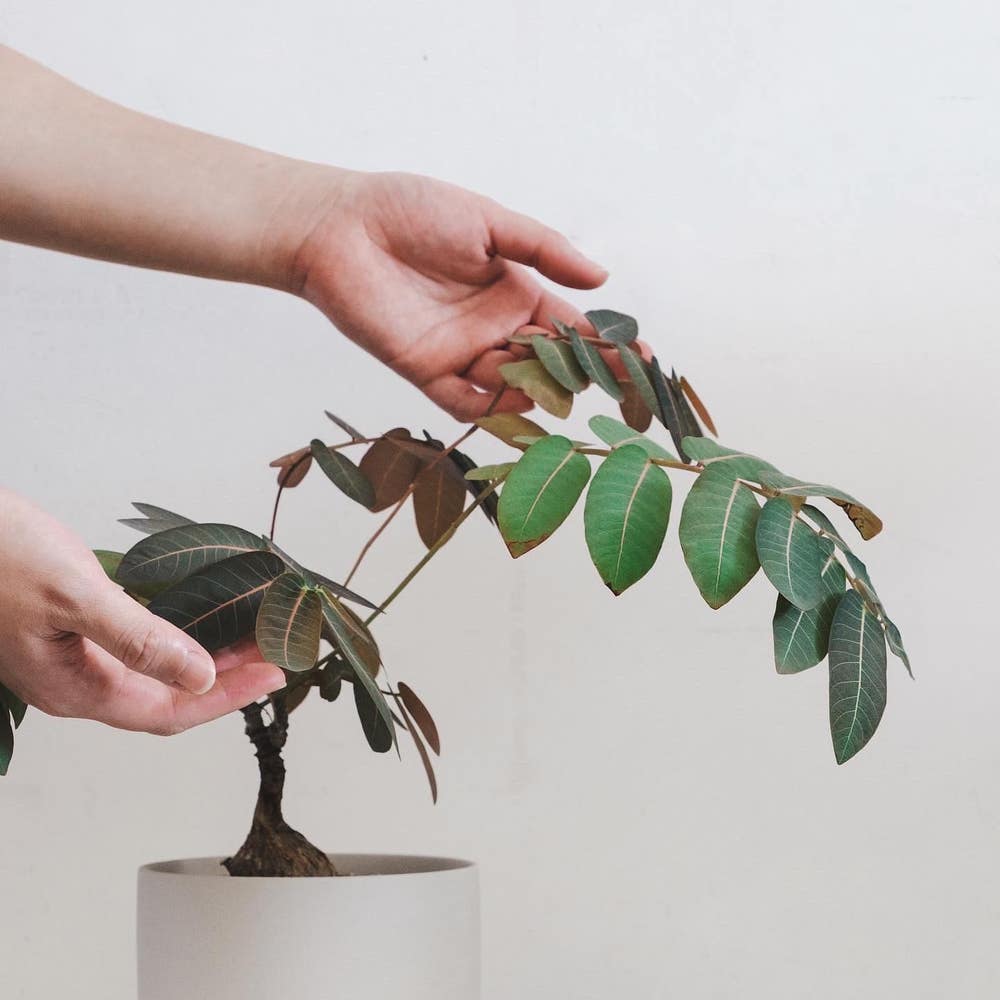
Chamber Bitter Roots 101 😖
Phyllanthus urinaria
By the Greg Editorial Team
Sep 30, 2024•6 min read
This article was created with the help of AI so we can cover more plants for you. May contain errors. See one? Report it here.
Discover how Chamber Bitter's fibrous roots 🌱 can transform your gardening success and plant vitality!
- 🌱 Chamber Bitter's fibrous roots enhance nutrient uptake and adapt to various soils.
- 💧 Consistent moisture is key; avoid overwatering to prevent root rot and yellowing leaves.
- ✂️ Healthy roots are crucial for propagation; monitor and maintain root health regularly.
Root System Characteristics
Type of Root System 🌱
Chamber Bitter boasts a fibrous root system, which is a game-changer for nutrient uptake. This extensive network allows the plant to efficiently absorb nutrients and adapt to various soil conditions.
When comparing root types, taproots and fibrous roots serve different purposes. A taproot is a deep, single root that provides stability, while fibrous roots are shallow and widespread, enhancing nutrient absorption across a larger area.
Benefits of a Fibrous Root System 🌿
The fibrous root system of Chamber Bitter offers several advantages. It not only improves nutrient uptake but also helps the plant thrive in diverse environments.
This adaptability makes Chamber Bitter a resilient choice for gardeners looking to cultivate a robust plant. Understanding these root characteristics is essential for effective care and maintenance.
Summary 📜
In summary, the fibrous root system of Chamber Bitter plays a crucial role in its growth and adaptability. Recognizing the differences between root types can help you make informed decisions about care practices.
Next, we’ll explore the typical root depth, spread, and growth patterns of Chamber Bitter, providing further insights into its development.
Root Depth, Spread, and Growth Patterns
Typical Root Depth and Spread 🌱
Chamber Bitter plants typically develop a root depth of 12 to 18 inches. Their roots can spread impressively, extending up to 2 to 3 feet wide, allowing for efficient nutrient absorption.
Growth Patterns 📈
These plants exhibit rapid growth, particularly when conditions are favorable. It's crucial to monitor root health regularly to prevent overcrowding, which can hinder overall plant vitality.
Understanding these growth patterns is essential for effective care practices. By recognizing how roots expand and thrive, you can better support your Chamber Bitter's development and health.
Watering, Fertilizing, and Transplanting
🌱 Influence of Root System on Watering Needs
Chamber Bitter thrives when its soil is kept consistently moist, but be cautious—overwatering can lead to serious issues. Look out for yellowing leaves and root rot as telltale signs that you might be giving your plant too much love.
🌿 Fertilization Strategies
For optimal growth, use a balanced NPK fertilizer. Timing is key; fertilize every 4-6 weeks during the growing season to keep your plant energized and thriving.
🌼 Best Practices for Transplanting
Transplanting is best done in early spring or fall when the plant is less stressed. Follow these simple steps for a successful transition:
- Prepare the new location with well-draining soil.
- Gently remove the plant, preserving as many roots as possible.
- Replant at the same depth as it was previously grown.
- Water thoroughly after transplanting to help it settle in.
By following these guidelines, you can ensure your Chamber Bitter remains healthy and vibrant. Next, let’s explore common root-related issues and how to tackle them effectively.
Common Root-Related Issues
🕵️ Identifying Root Rot and Other Problems
Root rot is a common issue that can plague Chamber Bitter plants. Look for symptoms like brown, mushy roots and a foul odor, which indicate that the roots are struggling.
Other problems can arise as well, such as compacted soil and pest infestations. These issues can hinder root growth and overall plant health, so it's essential to stay vigilant.
🛠️ Tips for Prevention and Solutions
To prevent root rot, ensure your plant has proper drainage and avoid overwatering. Keeping the soil consistently moist is key, but soggy conditions can lead to disaster.
For compacted soil, aerating the soil and adding organic matter can work wonders. This not only improves drainage but also enhances nutrient availability for your plants.
By addressing these common root-related issues proactively, you can help your Chamber Bitter thrive. Next, let’s explore how to gauge root health effectively.
Indicators of Root Health
👀 Visual Cues for Healthy vs Unhealthy Roots
Healthy roots are a gardener's dream. They should be white, firm, and pliable, indicating that your plant is thriving.
In contrast, unhealthy roots present a worrying sight. Look for brown, mushy roots or any foul smells, which are clear signs that something is amiss.
📊 Other Indicators of Root Health
Beyond root appearance, plant vigor is a key indicator of overall health. A robust, growing plant usually means its roots are doing well.
Pay attention to leaf color and texture, too. Dull or yellowing leaves can signal underlying root issues that need immediate attention.
Understanding these indicators can help you maintain a vibrant garden. Keeping an eye on root health ensures your plants flourish and thrive, setting the stage for a successful growing season.
Next, let’s explore rootbound plants and how to recognize and address this common issue.
Rootbound Plants
Definition and Recognition of Rootbound Conditions 🌱
Rootbound plants occur when roots grow in a tight circle, restricting their growth. You can spot a rootbound plant by its stunted growth and roots that emerge from drainage holes.
When and How to Address Rootbound Issues 🛠️
It's crucial to check for rootbound conditions during repotting.
- Gently remove the plant from its pot.
- Trim any circling roots to encourage new growth.
- Replant in a larger pot filled with fresh soil.
By addressing rootbound issues promptly, you can help your plants thrive and reach their full potential. This simple process not only revitalizes the plant but also enhances its overall health and vigor.
Next, let’s explore the importance of root health in propagation and division.
Propagation and Division
🌱 Importance of Root Health in Propagation
Healthy roots are the backbone of successful propagation. When roots are robust, they ensure that new plants can thrive and adapt to their environment.
To maintain root health during propagation, consider the following techniques:
- Use clean tools: Always sanitize your cutting tools to prevent disease transmission.
- Monitor moisture levels: Keep the soil slightly moist, as overly dry or wet conditions can stress the roots.
✂️ Techniques for Dividing Effectively
The best time to divide Chamber Bitter is early spring, just as the plant begins to wake from dormancy. This timing helps minimize stress and encourages vigorous growth.
Here’s how to divide your plant effectively:
- Remove the plant from its pot: Gently lift the plant, taking care not to damage the roots.
- Gently separate the roots into sections: Ensure each section has healthy roots attached, as this will promote successful growth.
- Replant sections in suitable containers: Use fresh soil to give your new plants the best chance to thrive.
By following these steps, you can ensure that your propagation efforts are fruitful and that your plants continue to flourish. Next, we’ll explore how to recognize and address rootbound conditions to keep your plants healthy and happy.
⚠️ Safety First
This content is for general information and may contain errors, omissions, or outdated details. It is not medical, veterinary advice, or an endorsement of therapeutic claims.
Always consult a qualified healthcare professional before using any plant as food, medicine, or supplement.
Never eat any plant (or feed one to pets) without confirming its identity with at least two trusted sources.
If you suspect poisoning, call Poison Control (800) 222-1222, the Pet Poison Helpline (800) 213-6680, or your local emergency service immediately.
Spotted an error? Please report it here.
Unlock the secrets to thriving Chamber Bitter roots 🌿 with Greg's tailored watering alerts and nutrient tips that keep your plants healthy and happy!