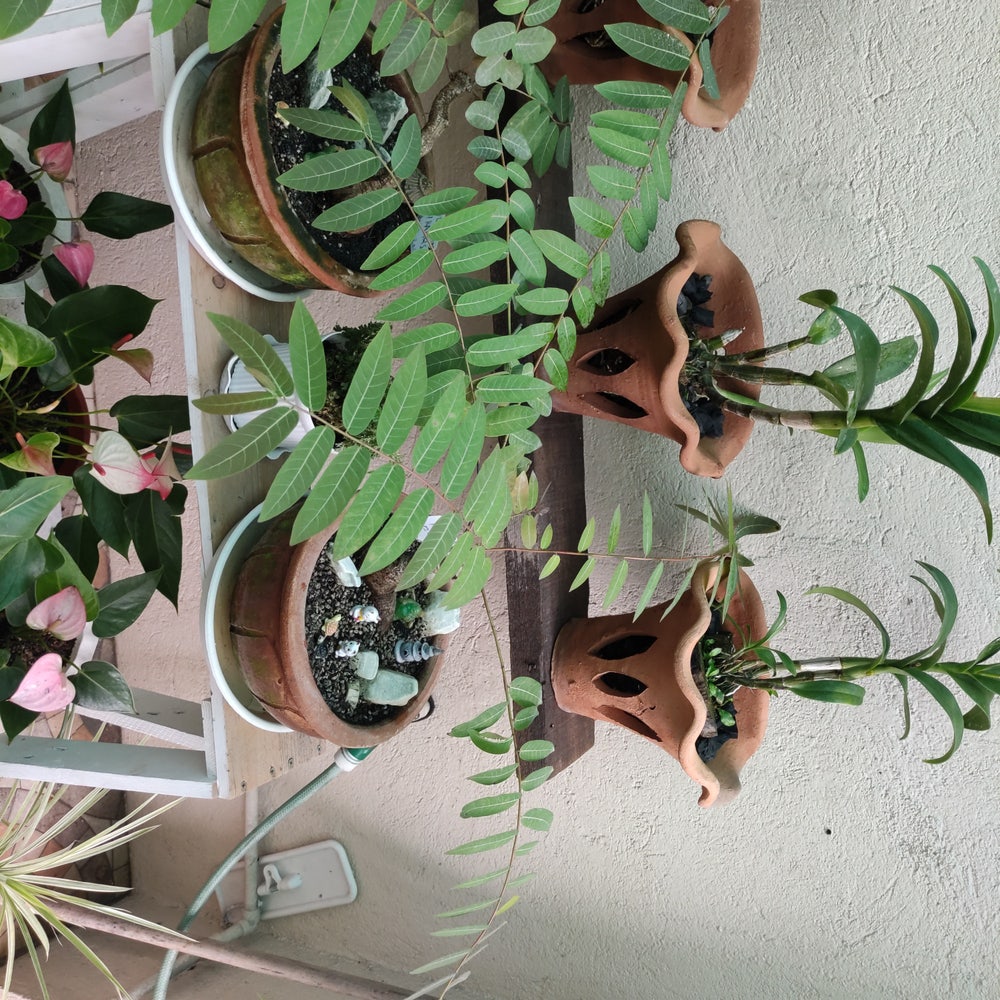
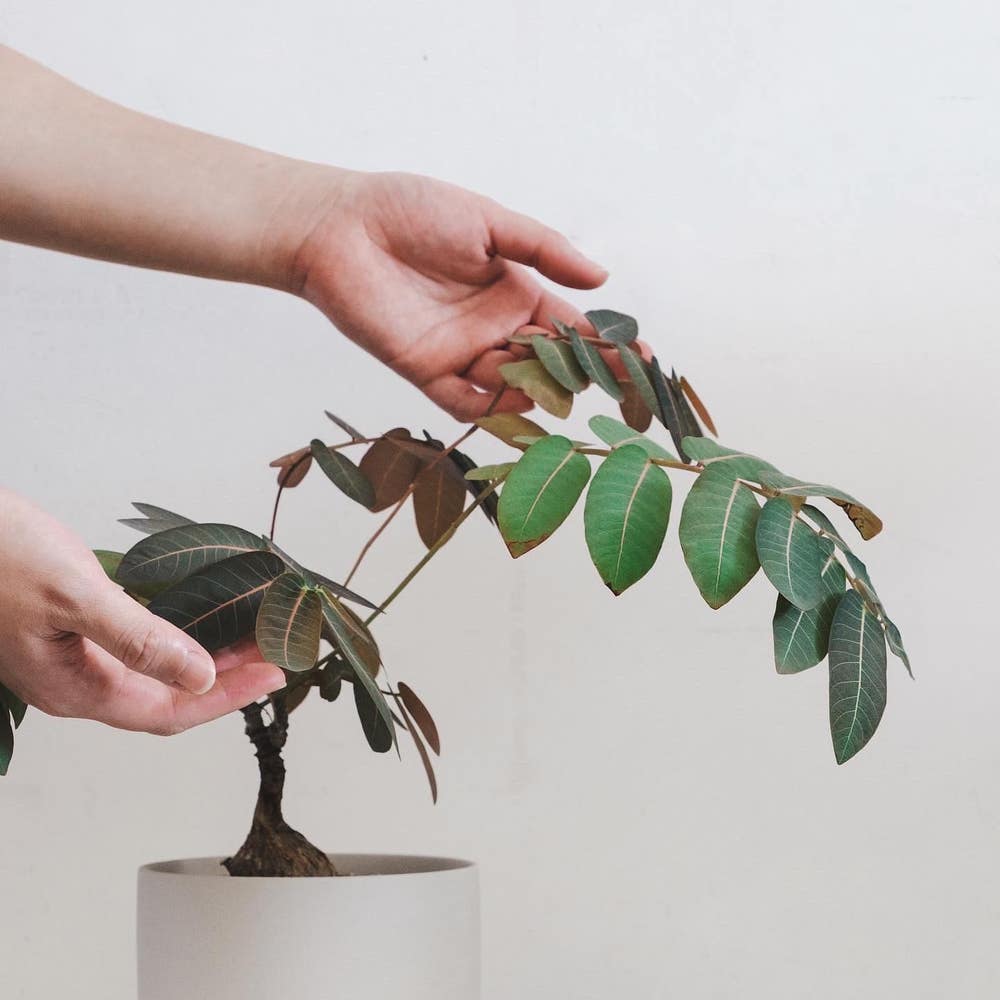
Is Direct Sunlight Good for My Chamber Bitter?
Phyllanthus urinaria
By the Greg Editorial Team
Jun 18, 2024•3 min read
This article was created with the help of AI so we can cover more plants for you. May contain errors. See one? Report it here.
Master the art of sunlight for Chamber Bitter to ensure vibrant growth, not sunburnt sorrow! 🌞🌱
- Bright, indirect light is best for Chamber Bitter; avoid intense direct sun.
- 🌞 East-facing windows offer ideal gentle light; avoid harsh west or south windows.
- Use shades or relocate to prevent/recover from sunburn; trim damaged parts for health.
When the Sun Beats Down: Chamber Bitter's Relationship with Direct Sunlight
🌞 Can Chamber Bitter handle the heat?
Chamber Bitter thrives in ample sunlight, but like a delicate piece of chocolate, it can melt under too much heat. Its natural habitat suggests a love for the sun, yet caution is key.
Signs of too much sun include wilting, discoloration, or leaf drop. Keep an eye out for these red flags—they're your plant's cry for help.
💡 The balancing act: How much sun is just right?
A thriving Chamber Bitter basks in bright, indirect light. Direct morning sun can be delightful, but the afternoon blaze? Not so much.
To acclimate your plant, start with a gradual introduction to direct sunlight. Think of it as a slow dance rather than a mosh pit dive.

Through the Looking Glass: How Windows Affect Chamber Bitter's Sunbath
🧭 Direction matters: North, South, East, or West?
Chamber Bitter's love for sunlight is contextual. The right window direction can make a world of difference. East-facing windows offer a soft morning light that gently wakes the plant without overwhelming it. On the flip side, west-facing windows deliver an intense afternoon sun that might be too much for Chamber Bitter's delicate leaves.
South-facing windows are the all-day sun diners, perfect for sun-loving plants, but potentially a hazard for Chamber Bitter if the light is too direct. North-facing windows, however, provide a consistent but muted light, which may not be enough for this sun-thirsty species.
🌍 Hemisphere highlights: Does your location change the rules?
Your global position plays a pivotal role in your Chamber Bitter's sunbathing routine. In the Northern Hemisphere, south-facing windows are the go-to for maximum brightness. But, if you're lounging in the Southern Hemisphere, you'll want to pivot to north-facing windows for that same level of sun exposure.
Adjusting Chamber Bitter care based on your global address is crucial. The sun's path changes with the seasons and hemispheres, so staying observant and tweaking your plant's location can prevent a sunburn or a case of the light-deprived blues.

Shielding Chamber Bitter from the Scorching Sun
🌞 When to draw the curtain: Protecting your plant
Chamber Bitter loves a good sunbath, but too much of a good thing can lead to a botanical meltdown. Shades and filters are your go-to tools for managing light exposure. They're like a sunscreen for your leafy pals, keeping those harsh rays in check.
When your Chamber Bitter starts looking more crispy than perky, it's time for a sunbreak. Temporary relocation strategies include moving the plant to a shadier spot or using a sheer curtain to diffuse the light. Think of it as a plant vacation from the solar onslaught.
🩹 Sunburn and recovery: Nursing Chamber Bitter back to health
Sunburn in plants is just as uncomfortable as it is for us. Identifying sun damage is step one: look for bleached, discolored, or crispy leaves. First aid measures include trimming the damaged parts and giving your plant a break from the sun's glare.
For long-term care, it's all about prevention and patience. Gradually reintroduce your Chamber Bitter to sunlight, and make sure it's hydrated. Recovery won't happen overnight, but with consistent care, your plant can bounce back to its former glory. Keep an eye out for new growth – it's a sign your plant is forgiving you for that solar faux pas.

⚠️ Safety First
This content is for general information and may contain errors, omissions, or outdated details. It is not medical, veterinary advice, or an endorsement of therapeutic claims.
Always consult a qualified healthcare professional before using any plant as food, medicine, or supplement.
Never eat any plant (or feed one to pets) without confirming its identity with at least two trusted sources.
If you suspect poisoning, call Poison Control (800) 222-1222, the Pet Poison Helpline (800) 213-6680, or your local emergency service immediately.
Spotted an error? Please report it here.
Ensure your Chamber Bitter thrives without the sunburn by using Greg to find its perfect light 🌿 based on your specific home environment and location.