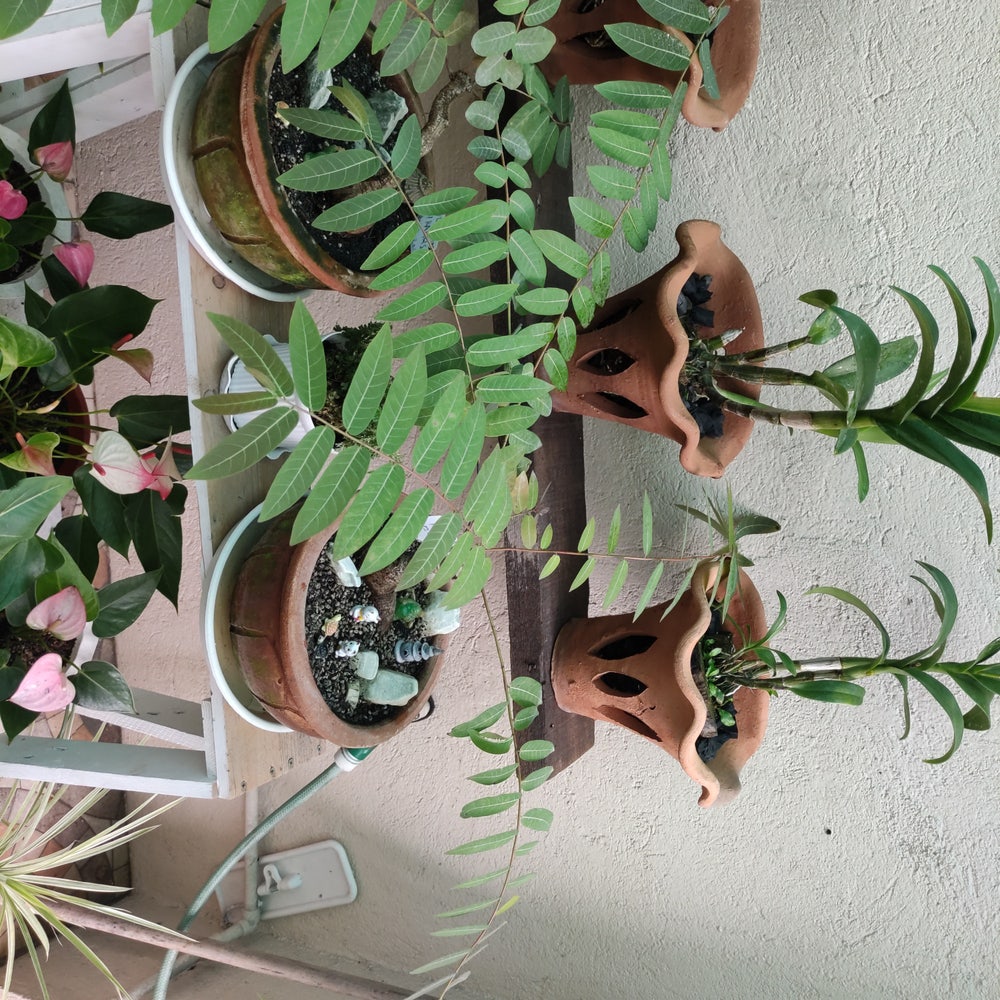
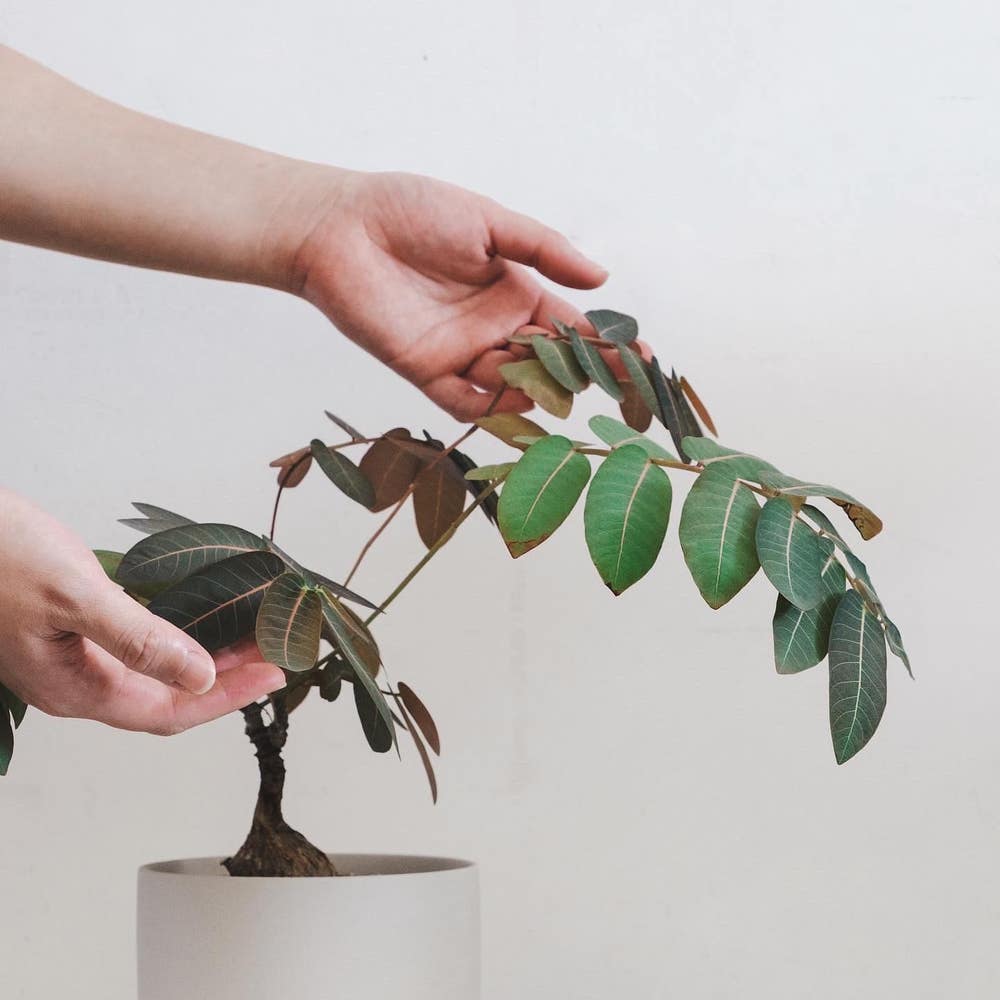
How to Cure Leaves Falling Over on Your Stonebreaker 🪨
Phyllanthus urinaria
By the Greg Editorial Team
Nov 26, 2024•4 min read
This article was created with the help of AI so we can cover more plants for you. May contain errors. See one? Report it here.
Transform your Stonebreaker’s health and stop leaf drop with these expert care tips! 🌱✨
- 🌱 Check soil moisture regularly; water only when the top inch is dry.
- ☀️ Provide 6-8 hours of indirect light daily for optimal Stonebreaker health.
- 🐛 Monitor for pests like mealybugs; use neem oil for effective control.
Treating Leaves Falling Over
Step-by-Step Guide to Adjusting Watering Practices 🌊
To start, assess soil moisture. You can do this by using the finger test—stick your finger into the soil up to the second knuckle—or by using a moisture meter for a more precise reading.
Next, adjust your watering frequency. Water your Stonebreaker only when the top inch of soil feels dry to the touch. This helps prevent overwatering, which is a common cause of leaves falling over.
Finally, ensure proper drainage. Check that your pot has drainage holes and that the soil composition allows for adequate water flow. A well-draining mix is crucial for healthy roots.
How to Improve Light Exposure 💡
Relocate your plant to a brighter area where it can receive 6-8 hours of indirect light daily. This exposure is vital for its overall health and helps prevent drooping leaves.
If direct sunlight is too harsh, consider using sheer curtains. They filter the light while still allowing brightness to reach your plant, creating a more balanced environment.
Additionally, make it a habit to rotate your plant regularly. This promotes even growth and ensures all leaves receive adequate light, preventing one side from becoming leggy.
Soil Amendments for Better Drainage 🏞️
For optimal growth, use a recommended soil mix of 50% potting soil, 30% perlite, and 20% sand. This combination enhances drainage and aeration, crucial for root health.
Don't overlook the importance of drainage holes in your pot. They prevent water accumulation, which can lead to root rot and further leaf drop.
Lastly, consider repotting every 1-2 years. This refreshes the soil and provides your Stonebreaker with new nutrients, supporting its growth.
Nutrient Supplementation 🌱
Establish a fertilization schedule by feeding your plant every 4-6 weeks during the growing season. This regular nourishment helps maintain vibrant foliage and strong growth.
For best results, use balanced NPK fertilizers like a 10-10-10 mix or a liquid feed. These provide essential nutrients that your plant needs to thrive.
Watch for signs of nutrient deficiency such as yellowing leaves or stunted growth. Addressing these issues promptly can prevent further complications.
Pest Control Methods 🐛
Be vigilant about common pests like mealybugs, aphids, and spider mites. These pests can wreak havoc on your plant if not managed quickly.
To identify infestations, look for sticky residue, webbing, or visible insects on your Stonebreaker. Early detection is key to effective control.
Utilize control methods such as neem oil, insecticidal soap, or manual removal to keep your plant healthy. Regular checks can save you from larger pest problems down the line.
With these steps, you can effectively treat leaves falling over on your Stonebreaker. Next, let’s explore how to prevent future leaf drop and maintain your plant’s health.
Preventing Future Leaf Drop
🌱 Best Practices for Care
To keep your Stonebreaker thriving, establish a consistent watering routine tailored to its needs. Regularly checking for pests is crucial; early detection can prevent infestations that lead to leaf drop.
Maintaining optimal humidity is also essential. Aim for a relative humidity level of 40-60% to create a comfortable environment for your plant.
🍂 Seasonal Care Tips
As the seasons change, so should your care approach. In spring, increase watering as your plant resumes growth, ensuring it has enough moisture to thrive.
During summer, keep an eye out for pests and adjust light exposure as needed. In fall and winter, reduce watering since your plant enters dormancy and requires less moisture.
🌡️ Monitoring Environmental Conditions
Monitoring environmental conditions is key to preventing leaf drop. Use a hygrometer to measure humidity levels and ensure they stay within the ideal range.
Keep your plant away from drafts to protect it from sudden temperature changes. Regularly check light levels to ensure your Stonebreaker receives adequate exposure without being scorched.
🧹 Regular Maintenance Routines
Incorporate regular maintenance routines to promote healthy growth. Prune dead or damaged leaves to encourage new growth and vitality.
Cleaning leaves is another simple yet effective practice. Removing dust enhances photosynthesis, allowing your plant to absorb more light and nutrients.
Lastly, repot as needed to refresh the soil and check root health. This ensures your Stonebreaker has the best foundation for growth.
By following these best practices and seasonal tips, you can significantly reduce the chances of leaf drop and keep your Stonebreaker flourishing. Next, let’s explore how to monitor environmental conditions effectively.
⚠️ Safety First
This content is for general information and may contain errors, omissions, or outdated details. It is not medical, veterinary advice, or an endorsement of therapeutic claims.
Always consult a qualified healthcare professional before using any plant as food, medicine, or supplement.
Never eat any plant (or feed one to pets) without confirming its identity with at least two trusted sources.
If you suspect poisoning, call Poison Control (800) 222-1222, the Pet Poison Helpline (800) 213-6680, or your local emergency service immediately.
Spotted an error? Please report it here.
Keep your Stonebreaker thriving 🌿 by using Greg's tailored watering reminders and expert care tips to ensure your plant gets just the right amount of love and attention!