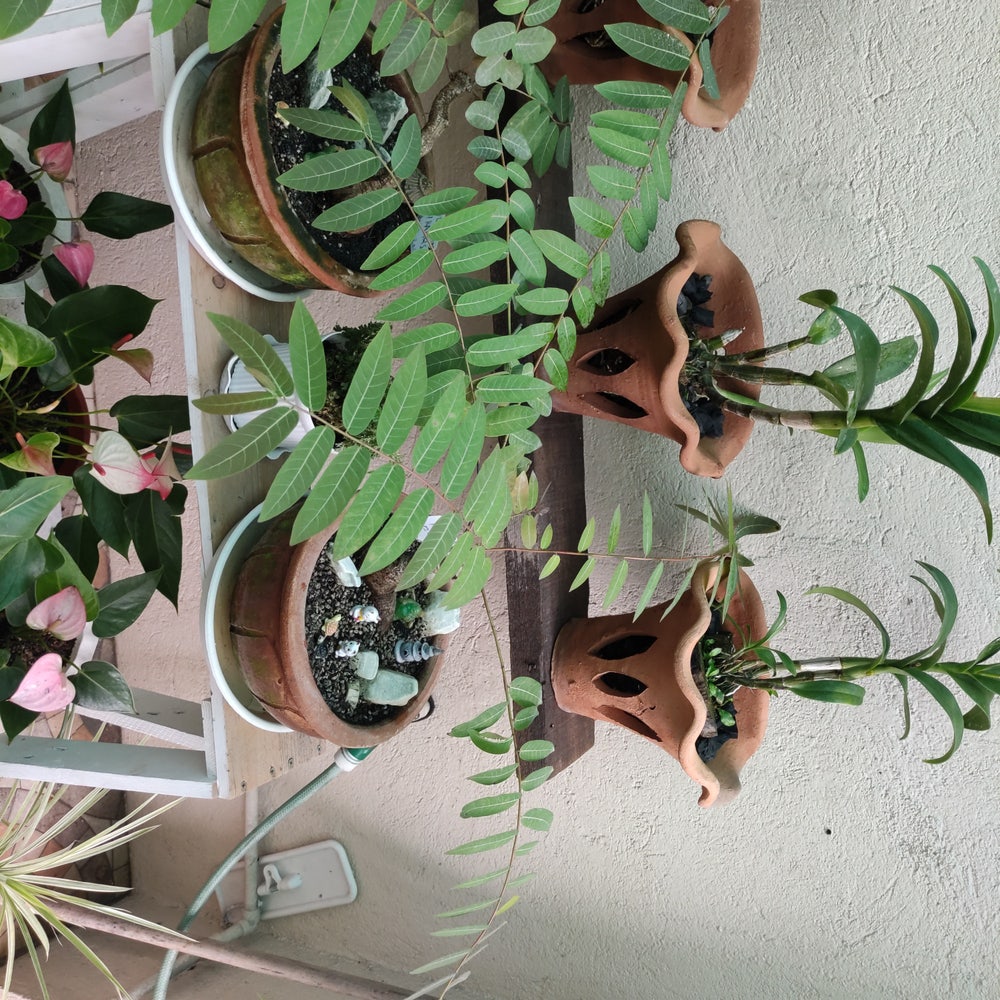
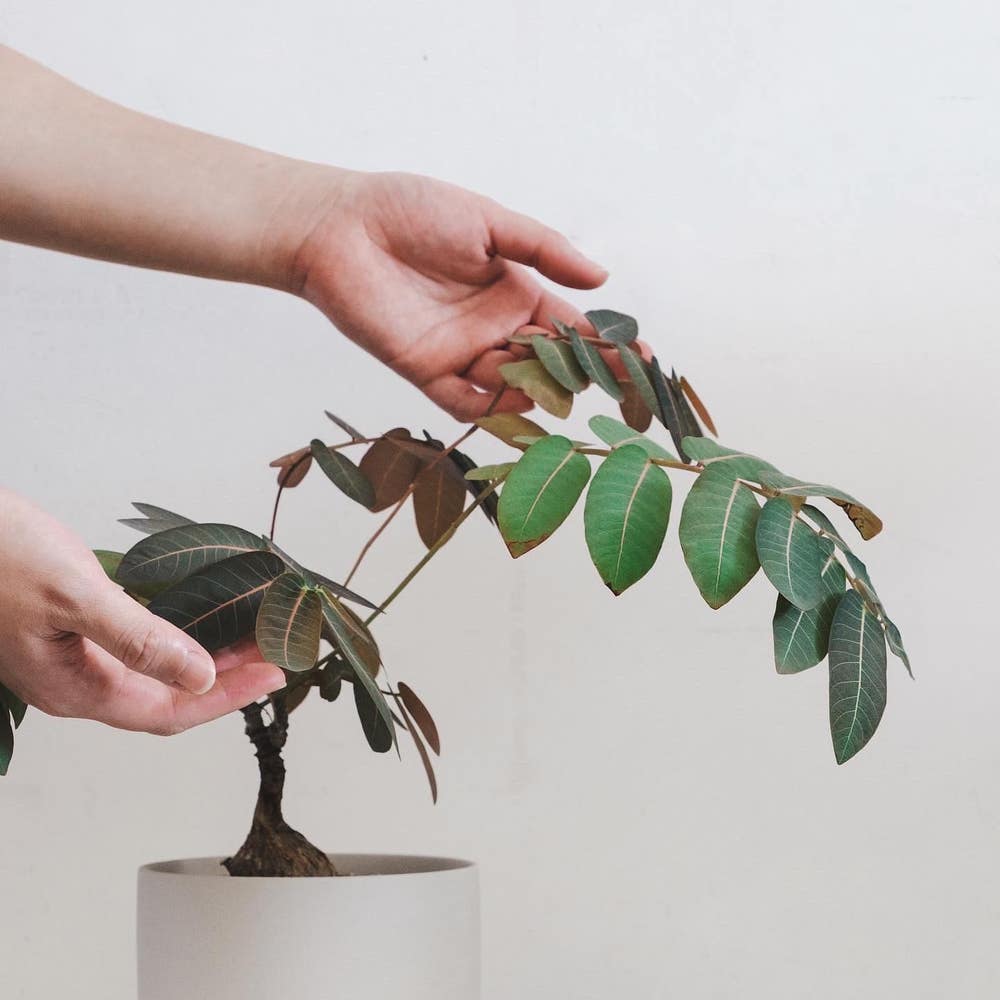
3 Factors Influencing Stonebreaker Size
Phyllanthus urinaria
By the Greg Editorial Team
Nov 26, 2024•5 min read
This article was created with the help of AI so we can cover more plants for you. May contain errors. See one? Report it here.
Master the growth factors of stonebreaker plants 🌱 for a stunning garden display and thriving greenery!
- 🌱 Soil quality and pH are crucial for optimal stonebreaker growth and health.
- ☀️ Stonebreakers need 6-8 hours of sunlight daily to maximize their size.
- 💧 Consistent moisture without waterlogging prevents root rot and promotes healthy growth.
Factors Influencing Size
🌱 Soil Quality and Type
Well-draining soil is crucial for stonebreaker plants. It prevents root rot and promotes healthy growth, ensuring that the roots can access the nutrients they need.
The ideal soil types for these plants are sandy loam or rocky soils that provide good aeration. Additionally, maintaining a slightly acidic to neutral soil pH (between 6.0 and 7.0) is essential for optimal growth.
💧 Water Availability and Drainage
Consistent moisture is vital for stonebreaker plants, but it's important to avoid waterlogging. Proper watering practices help the plants thrive without drowning their roots.
Drainage plays a significant role in growth; poor drainage can stunt development and reduce overall size. During dry and wet seasons, adjusting watering frequency is key to maintaining healthy plants.
☀️ Sunlight Exposure and Light Conditions
Stonebreaker plants thrive in full sun, requiring 6 to 8 hours of sunlight daily to reach their maximum growth potential. Without adequate sunlight, plants may become leggy and their size can diminish.
Light conditions can vary significantly between urban and rural settings. Ensuring your plants receive the right amount of sunlight is essential for robust growth and size.
With these factors in mind, you can create the ideal environment for your stonebreaker plants to flourish. Next, we’ll explore the typical mature height and spread of these fascinating plants.
Mature Height and Spread
Average Height 🌱
The mature height of stonebreakers typically ranges from 1 to 3 feet (30 to 90 cm). This variation largely depends on growing conditions such as soil quality, water availability, and sunlight exposure.
Factors Affecting Height 📏
Soil quality plays a crucial role in determining how tall these plants can grow. Well-draining soil rich in nutrients will support healthier, taller plants, while poor soil can stunt their growth.
Average Spread 🌿
When it comes to spread, stonebreakers usually extend between 1 to 2 feet (30 to 60 cm). This spread is essential for ensuring that each plant has enough space to thrive.
Importance of Spacing 📏
Adequate spacing between plants is vital for optimal growth and air circulation. Crowded conditions can lead to competition for resources, ultimately affecting the overall health and size of the plants.
Understanding the mature height and spread of stonebreakers helps in planning your garden layout effectively. This knowledge sets the stage for exploring how growth rates can further influence your gardening success.
Growth Rate
Typical Growth Rate 🌱
Stonebreakers are known for their impressive growth, especially under optimal conditions. They can reach heights of up to 2 feet (60 cm) in just a single growing season, making them a standout choice for gardeners looking for quick results.
In comparison to many perennial herbs, stonebreakers boast a faster growth rate. This rapid development can be a game-changer for those eager to see their garden flourish.
Time to Reach Full Size ⏳
Generally, stonebreakers reach their full size within 1 to 2 years. This relatively short timeframe allows gardeners to enjoy the benefits of their plants sooner rather than later.
Several factors influence this growth rate, including environmental conditions and care practices. Proper attention to soil quality, watering, and sunlight can significantly enhance their growth potential.
As you consider how to cultivate stonebreakers, remember that the right conditions can lead to remarkable results. Next, we’ll explore the size variability among different stonebreaker varieties and the environmental factors that affect their growth.
Size Variability
Differences Among Varieties 🌱
When it comes to stonebreakers, size can vary dramatically among different varieties. Dwarf varieties typically reach only about 1 foot (30 cm), while their giant counterparts can soar to over 3 feet (90 cm).
Genetic factors play a crucial role in this variability. Each variety has unique traits that influence its growth potential, making some naturally larger than others.
Environmental Factors 🌍
Climate significantly impacts the size of stonebreakers. For instance, tropical conditions often promote larger growth compared to subtropical environments.
Additionally, local soil and water conditions can lead to variability in growth. Factors like soil quality and moisture availability directly affect how well these plants thrive in their specific surroundings.
Understanding these differences can help you choose the right variety for your garden, ensuring you achieve the desired size and growth.
As we explore how to control the size of your stonebreakers, consider the various techniques available to manage their growth effectively.
Controlling Size
✂️ Pruning Techniques
Pruning is essential for maintaining the size and shape of your stonebreaker. It encourages bushier growth and prevents that unsightly legginess that can occur when plants stretch for light.
To effectively prune your stonebreaker, follow these recommended methods:
- Timing: Prune in early spring, just before new growth begins. This timing ensures that your plant can recover quickly and thrive.
- Techniques: Use pinching back tips to promote branching and remove any dead or leggy stems to keep the plant healthy.
- Frequency: Aim to prune every 6-8 weeks during the growing season. Regular maintenance will help your stonebreaker flourish.
📏 Other Methods
In addition to pruning, there are several other strategies to control the size of your stonebreaker.
- Use of growth regulators: These chemical options can effectively manage height and spread, allowing for more controlled growth.
- Container gardening: By planting in containers, you can limit root growth, which in turn restricts the overall size of the plant.
- Strategic placement: Positioning your stonebreaker in less optimal light conditions can naturally limit its growth, keeping it more compact.
By combining these techniques, you can maintain a healthy and manageable stonebreaker that fits perfectly into your garden space. Next, let's explore how various factors influence the mature height and spread of this versatile plant.
⚠️ Safety First
This content is for general information and may contain errors, omissions, or outdated details. It is not medical, veterinary advice, or an endorsement of therapeutic claims.
Always consult a qualified healthcare professional before using any plant as food, medicine, or supplement.
Never eat any plant (or feed one to pets) without confirming its identity with at least two trusted sources.
If you suspect poisoning, call Poison Control (800) 222-1222, the Pet Poison Helpline (800) 213-6680, or your local emergency service immediately.
Spotted an error? Please report it here.
Unlock the secrets to thriving stonebreakers 🌿 by using Greg's tailored care plans to optimize soil, moisture, and sunlight for your plants' ultimate growth!