🪨 Stonebreaker: An Annual Plant
Phyllanthus urinaria
By the Greg Editorial Team
Nov 26, 2024•6 min read
This article was created with the help of AI so we can cover more plants for you. May contain errors. See one? Report it here.
Unlock your garden's potential with Stonebreaker's resilient lifecycle and vibrant growth strategies! 🌱
- 🌱 Stonebreaker is an annual plant with a lifecycle of germination, growth, and reproduction.
- 🌞💧 Optimal germination requires warmth and moisture for successful seed sprouting.
- 🌼 Flowering is influenced by temperature and daylight, crucial for attracting pollinators.
Characteristics of Stonebreaker as an Annual Plant
🌱 Lifecycle of Stonebreaker
The lifecycle of Stonebreaker is a fascinating journey that unfolds in distinct stages.
Germination
Optimal germination occurs under specific conditions, including adequate moisture and warmth. These factors are crucial for the seeds to sprout and begin their growth journey.
Vegetative Growth
During the vegetative growth phase, Stonebreaker exhibits vigorous growth patterns. This stage typically lasts several weeks, allowing the plant to establish a strong foundation.
Flowering
Flowering is a pivotal moment, triggered by environmental cues such as temperature and daylight. This timing is essential for successful reproduction.
Seed Production
Once flowering is complete, Stonebreaker focuses on seed production. The plant can produce a high quantity of seeds, which are vital for its survival and dispersal.
🌿 Growth Patterns Specific to Stonebreaker
Stonebreaker showcases unique growth habits that make it stand out in the garden.
Description of Growth Habits
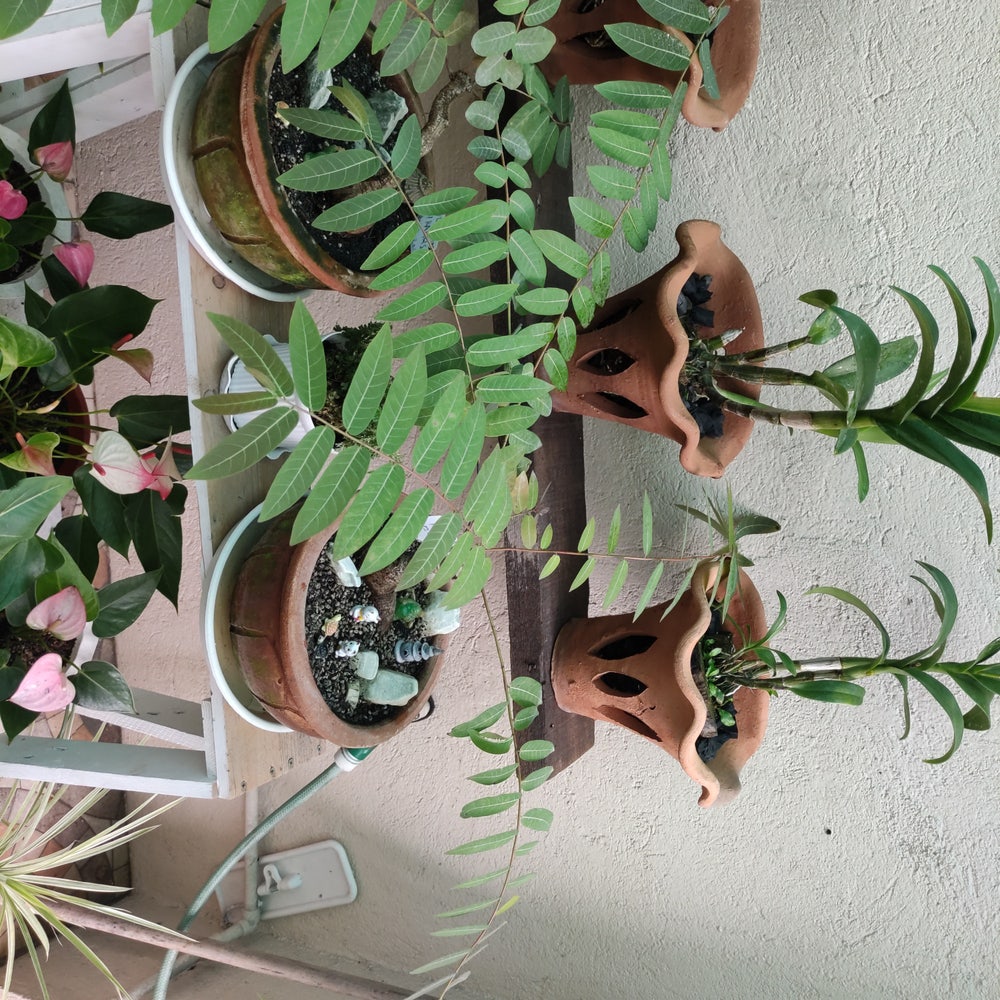
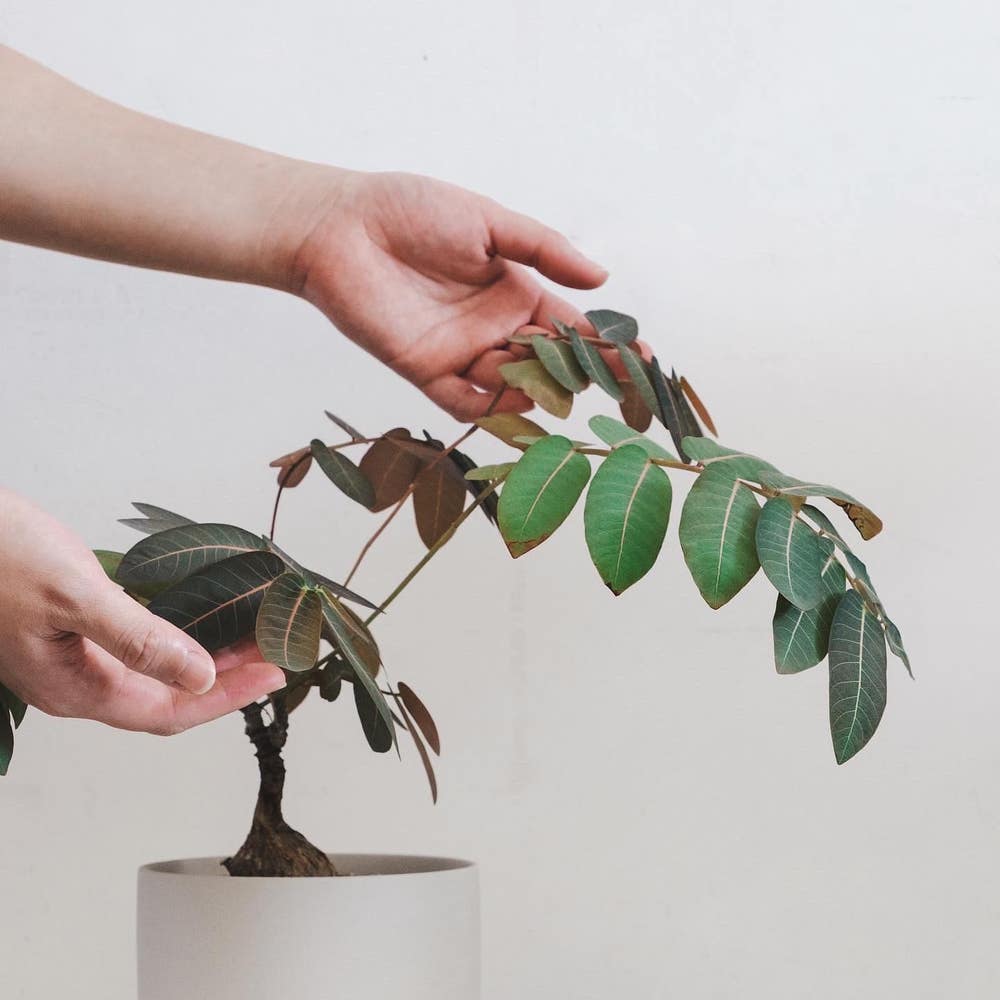
This annual plant can reach heights of up to three feet, with a spread that varies based on environmental conditions. Its foliage is typically lush and green, contributing to its overall vigor.
Adaptation to Environmental Conditions
Stonebreaker is well-adapted to various environmental conditions, demonstrating impressive drought resistance. It thrives in well-drained soils but can also tolerate less-than-ideal soil types.
🌼 Reproductive Strategies of Stonebreaker
The reproductive strategies of Stonebreaker are designed for survival in diverse environments.
Seed Production Strategy
This plant employs a high seed output strategy, ensuring that even if some seeds fail to germinate, enough will survive to continue the species.
Pollination Methods
Stonebreaker utilizes both self-pollination and cross-pollination methods. This flexibility increases its chances of successful reproduction.
Seed Dispersal Mechanisms
Seed dispersal is facilitated through various mechanisms, including wind, water, and animal interactions. These methods help ensure that the seeds reach suitable locations for germination.
In summary, the characteristics of Stonebreaker as an annual plant highlight its resilience and adaptability. Understanding these traits sets the stage for exploring the evolutionary advantages of annuality in the next section.
Evolutionary Advantages of Annuality
Benefits of Being an Annual Plant 🌱
Annual plants like Stonebreaker have a unique advantage in resource allocation. They channel their energy into rapid growth and reproduction, allowing them to complete their lifecycle in a single growing season.
This strategy is crucial for survival, especially in unpredictable environments. By focusing on quick reproduction, Stonebreaker can thrive even when conditions are less than ideal.
Adaptations to Various Environments 🌍
One of the most fascinating traits of Stonebreaker is its phenotypic plasticity. This ability allows the plant to adjust its growth and reproductive strategies based on varying environmental conditions.
For instance, Stonebreaker exhibits remarkable drought tolerance. It can adapt its nutrient uptake to maximize survival, ensuring it flourishes in diverse habitats.
In summary, the evolutionary advantages of being an annual plant empower Stonebreaker to thrive in a range of environments. This adaptability not only enhances its survival but also contributes to its success as a garden favorite.
As we explore the impact of its annual lifecycle on growth and reproduction, we’ll uncover how these traits manifest in practical gardening applications.
Impact of Annual Lifecycle on Growth and Reproduction
🌱 Growth Phases of Stonebreaker
The lifecycle of Stonebreaker unfolds in three distinct phases, each crucial for its growth and reproduction.
Germination
Germination kicks off the lifecycle, requiring specific conditions for optimal success. Warm temperatures and moist soil create the perfect environment for seeds to sprout, typically occurring in spring.
Vegetative Phase
Once germinated, Stonebreaker enters the vegetative phase, where it focuses on establishing a robust structure. During this time, the plant needs ample nutrients and sunlight to support its rapid growth, often reaching heights of up to three feet.
Reproductive Phase
The transition to the reproductive phase marks a significant shift. Here, Stonebreaker prepares for flowering and seed setting, usually triggered by changes in daylight and temperature. This phase is critical for ensuring the next generation thrives.
🌸 Flowering Timeline and Seed Production
The flowering timeline of Stonebreaker is a fascinating aspect of its lifecycle.
Key Stages and Environmental Cues
Flowering typically begins in mid-summer, influenced by environmental cues such as temperature and light. These factors signal the plant to bloom, attracting pollinators essential for reproduction.
Seed Production
Seed production is where Stonebreaker truly shines. The plant can produce hundreds of seeds per flower, ensuring a high chance of survival. Timing is vital, as successful seed setting depends on favorable weather conditions and pollination efficiency.
Understanding these phases and timelines not only highlights the resilience of Stonebreaker but also sets the stage for effective gardening practices. As we explore how to maximize its annual nature, consider how these growth and reproductive strategies can enhance your garden's vibrancy.
Variations and Exceptions in Growth and Reproduction
🌱 Instances of Variation
Stonebreaker plants exhibit remarkable adaptability, influenced heavily by environmental factors. Soil quality, moisture levels, and temperature can lead to significant variations in their growth and reproductive strategies.
For instance, in nutrient-rich soils, Stonebreaker may grow taller and produce more flowers. Conversely, in poorer soils, it might adopt a more compact form, focusing on survival rather than height.
🌍 Factors Influencing Variations
Genetic diversity within Stonebreaker populations plays a crucial role in their adaptability. This diversity enhances resilience, allowing some plants to thrive under challenging conditions while others may struggle.
Local climate conditions also impact growth rates and flowering times. In warmer climates, Stonebreaker may flower earlier, while cooler regions might delay blooming, showcasing the plant's remarkable ability to adjust to its surroundings.
Understanding these variations can help gardeners and enthusiasts appreciate the resilience of Stonebreaker and its capacity to adapt to diverse environments. This knowledge sets the stage for effective gardening strategies that maximize the plant's potential.
Gardening Tips for Maximizing Stonebreaker's Annual Nature
🌼 Incorporating Stonebreaker into Garden Design
Stonebreaker can be a vibrant addition to your garden layout. Consider companion planting to enhance growth and create a visually appealing space.
Pairing Stonebreaker with other annuals can improve pollination and pest control. Think about seasonal planning as well; timing your planting and harvesting can optimize your garden's productivity.
🌱 Tips for Succession Planting
Succession planting is a fantastic strategy to maximize yield and ensure continuous blooms throughout the growing season. By staggering your sowing times, you can enjoy a steady supply of fresh flowers and foliage.
For Stonebreaker, aim to plant every few weeks during the growing season. This approach keeps your garden lively and productive.
🌤️ Strategies for Extending the Growing Season
To prolong the growth of Stonebreaker, consider using cloches or row covers. These techniques help protect your plants from unexpected weather changes and extend their growing period.
Monitoring environmental conditions is crucial. Adjust your care based on weather patterns to ensure your Stonebreaker thrives, even as seasons change.
By implementing these gardening tips, you can make the most of Stonebreaker's annual nature, ensuring a flourishing garden year after year.
⚠️ Safety First
This content is for general information and may contain errors, omissions, or outdated details. It is not medical, veterinary advice, or an endorsement of therapeutic claims.
Always consult a qualified healthcare professional before using any plant as food, medicine, or supplement.
Never eat any plant (or feed one to pets) without confirming its identity with at least two trusted sources.
If you suspect poisoning, call Poison Control (800) 222-1222, the Pet Poison Helpline (800) 213-6680, or your local emergency service immediately.
Spotted an error? Please report it here.
Unlock the secrets of thriving Stonebreaker plants 🌱 with Greg's tailored care tips and reminders, ensuring your garden flourishes all season long!