Ultimate Guide to What's Eating Your Stonebreaker 🐞
Phyllanthus urinaria
By the Greg Editorial Team
Nov 26, 2024•6 min read
This article was created with the help of AI so we can cover more plants for you. May contain errors. See one? Report it here.
Safeguard your Stonebreaker plants 🌿 from hungry herbivores while nurturing a thriving garden ecosystem! 🌱
- 🌱 Stonebreaker plants attract herbivores like deer, rabbits, and squirrels—monitor regularly!
- 🦌 Prevent damage by placing plants away from herbivore pathways and using barriers.
- 🌼 Pollinators benefit from Stonebreaker flowers, but birds can also cause leaf damage.
Appearance and Appeal
Description of Appearance 🌿
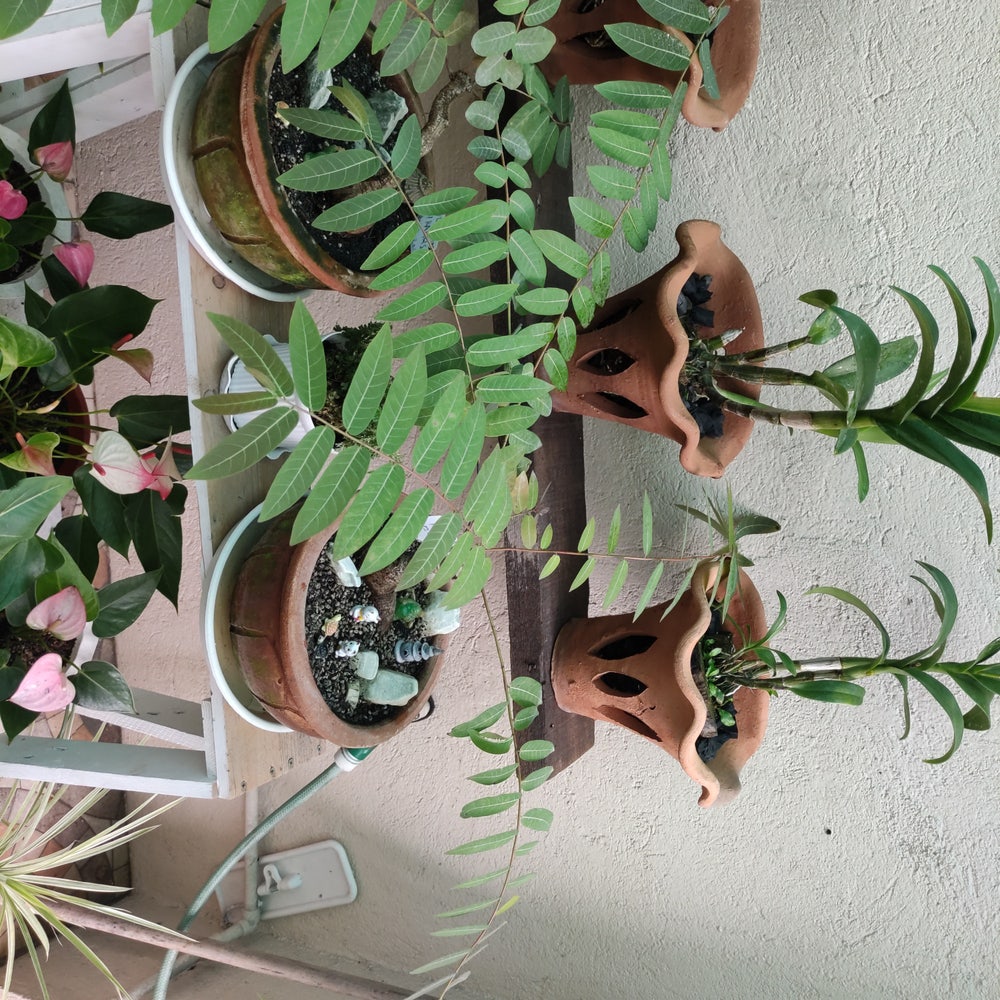
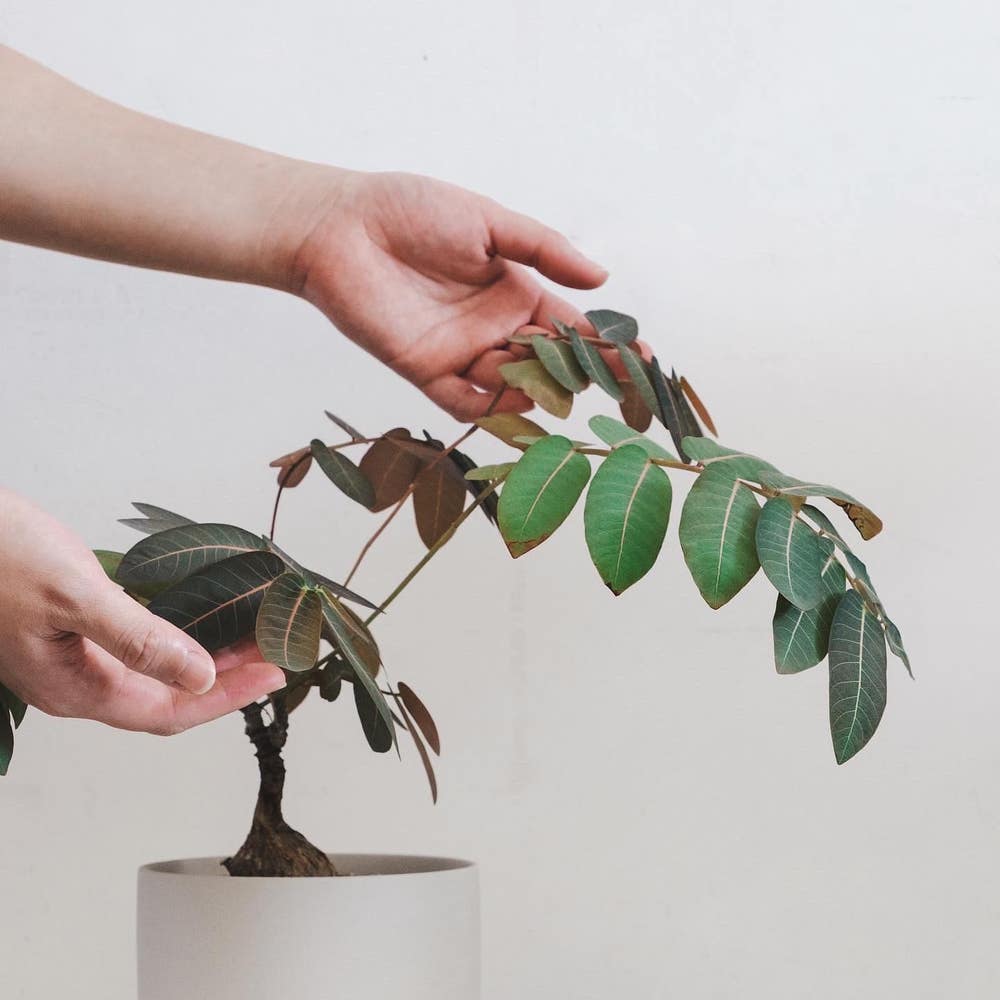
Stonebreaker plants typically reach a height of 30-60 cm (12-24 inches). Their small, oval-shaped leaves are arranged alternately along the stem, creating a lush green appearance.
Flower Characteristics 🌼
The flowers are tiny and yellowish-green, often overlooked due to their subtlety. Despite their modest appearance, these flowers play a crucial role in the plant's ecosystem.
Most Appealing Parts to Animals 🐾
Young Shoots
The young shoots of the Stonebreaker are tender and nutritious, making them particularly attractive to herbivores. These fresh greens are a favorite snack for many animals.
Fruits
The fruits are small and fleshy, packed with nutrients that appeal to a variety of wildlife. Their rich composition makes them a sought-after food source in the garden.
Flowers
While the flowers may not be the most eye-catching, they can attract pollinators and other herbivores. This interaction is vital for the plant's reproduction and overall health.
Conclusion 📚
Understanding the appearance and appeal of Stonebreaker helps gardeners appreciate its role in the ecosystem. With this knowledge, you can better protect it from the herbivores that find it so enticing. Next, we will explore the common herbivores that affect Stonebreaker and how to manage their impact.
Common Herbivores Affecting Stonebreaker
🦌 Deer
Signs of presence and damage caused
Deer are notorious for their impact on Stonebreaker plants. Look for distinctive hoof prints in the soil and evidence of browsing, where leaves and young shoots are stripped bare.
Beneficial vs. harmful interaction
While deer may seem like a natural part of the ecosystem, their presence is generally harmful. They can decimate Stonebreaker populations in gardens, leaving behind a trail of destruction.
Deterrent methods (difficulty: moderate)
To protect your plants, consider using chemical deterrents like commercial deer repellents. Organic methods such as erecting 8-foot tall fences or planting deer-resistant plants nearby can also be effective.
🐇 Rabbits
Signs of presence and damage caused
Rabbits leave their mark with small, round droppings near the plants and clean gnaw marks on stems and leaves. Their presence can be quite noticeable.
Beneficial vs. harmful interaction
Unfortunately, rabbits are generally harmful to Stonebreaker health. Their feeding habits can significantly reduce the plant's vigor and overall health.
Deterrent methods (difficulty: easy)
To deter rabbits, try using bitter-tasting sprays as chemical deterrents. Organic solutions include chicken wire barriers around plants and companion planting with strong-smelling herbs.
🐿️ Squirrels
Signs of presence and damage caused
Squirrels can be quite mischievous, leaving behind chewed stems and disturbed soil around the base of the plant. Their gnawing can cause significant damage.
Beneficial vs. harmful interaction
Like many other herbivores, squirrels are generally harmful. Their activities can lead to physical damage and stress for the Stonebreaker.
Deterrent methods (difficulty: moderate)
Consider using capsaicin-based sprays as a chemical deterrent. Organic methods like reflective objects or noise makers can also scare them away.
🐦 Birds
Signs of presence and damage caused
Birds can be both friends and foes. Look for pecks that create holes in leaves or flowers, and nearby nests indicating frequent visits.
Beneficial vs. harmful interaction
Birds have a mixed role; some may assist with pollination, while others can cause damage. It's essential to monitor their impact on your Stonebreaker.
Deterrent methods (difficulty: easy)
For a non-toxic approach, use bird repellents to keep them at bay. Organic methods like netting to protect plants or using decoys, such as plastic owls, can also help.
🐭 Rodents (mice, voles, etc.)
Signs of presence and damage caused
Rodents are sneaky little pests that create small burrows near the plant base and chew on roots. Their activities can lead to significant plant stress.
Beneficial vs. harmful interaction
Rodents are generally harmful, as their feeding can cause severe damage or even death to the plant. It's crucial to address their presence promptly.
Deterrent methods (difficulty: hard)
For chemical deterrents, consider using rodent bait stations. Organic methods like traps or planting mint and other deterrent plants nearby can also be effective.
As you navigate the challenges posed by these common herbivores, remember that proactive measures can help protect your Stonebreaker. Next, we'll explore general strategies for safeguarding your plants against these persistent threats.
General Strategies for Protection
🛡️ Preventive Measures for Protecting Stonebreaker
To keep your Stonebreaker thriving, start with smart plant placement. Position them away from known herbivore pathways to minimize encounters with hungry animals.
Companion planting is another effective strategy. By surrounding your Stonebreaker with plants that deter herbivores or attract beneficial insects, you create a natural defense system that enhances your garden's ecosystem.
⚠️ Reactive Solutions for Managing Animal Interactions
Regular monitoring is crucial for early detection of animal activity. Keep an eye out for signs of damage or presence, such as droppings or chewed leaves.
When you spot any signs, act quickly. Implement deterrents immediately to protect your plants from further harm, ensuring they remain healthy and vibrant.
🌱 Seasonal Variations in Animal Attraction to Stonebreaker
Be aware of seasonal changes in herbivore behavior. In spring, many animals become more active, drawn to the tender shoots of your Stonebreaker.
As fall approaches, expect increased foraging for fruits and seeds. Understanding these patterns can help you prepare and protect your plants throughout the year.
With these strategies in place, you can enjoy a flourishing Stonebreaker while keeping pesky herbivores at bay. Next, let’s explore the toxicity and ecological role of this resilient plant.
Toxicity and Ecological Role
🌿 Mild Toxicity of Stonebreaker
Stonebreaker plants possess mild toxicity, which can pose potential risks to some herbivores if consumed in large quantities. This characteristic may deter certain animals from overindulging, allowing the plant to maintain its health and vigor.
🦙 Ecological Roles of Herbivores
Herbivores play a crucial role in the garden ecosystem, particularly in seed dispersal. By consuming and later excreting seeds, they help propagate Stonebreaker and other plants, contributing to biodiversity.
Additionally, herbivores serve as a food source for various predators, maintaining a balanced ecosystem. This interconnectedness highlights the importance of every species, including those that may nibble on your beloved Stonebreaker.
Understanding these dynamics can foster a greater appreciation for the delicate balance of nature. As you protect your plants, remember that herbivores, despite their occasional destructive tendencies, are vital players in the garden's life cycle.
With this knowledge, you can better navigate the challenges of gardening while fostering a thriving environment. Next, let’s explore effective strategies for protecting your Stonebreaker from herbivore interactions.
⚠️ Safety First
This content is for general information and may contain errors, omissions, or outdated details. It is not medical, veterinary advice, or an endorsement of therapeutic claims.
Always consult a qualified healthcare professional before using any plant as food, medicine, or supplement.
Never eat any plant (or feed one to pets) without confirming its identity with at least two trusted sources.
If you suspect poisoning, call Poison Control (800) 222-1222, the Pet Poison Helpline (800) 213-6680, or your local emergency service immediately.
Spotted an error? Please report it here.
Safeguard your Stonebreaker plants from herbivores and watch them thrive 🌱 with Greg's tailored care tips and monitoring features that keep your garden flourishing!