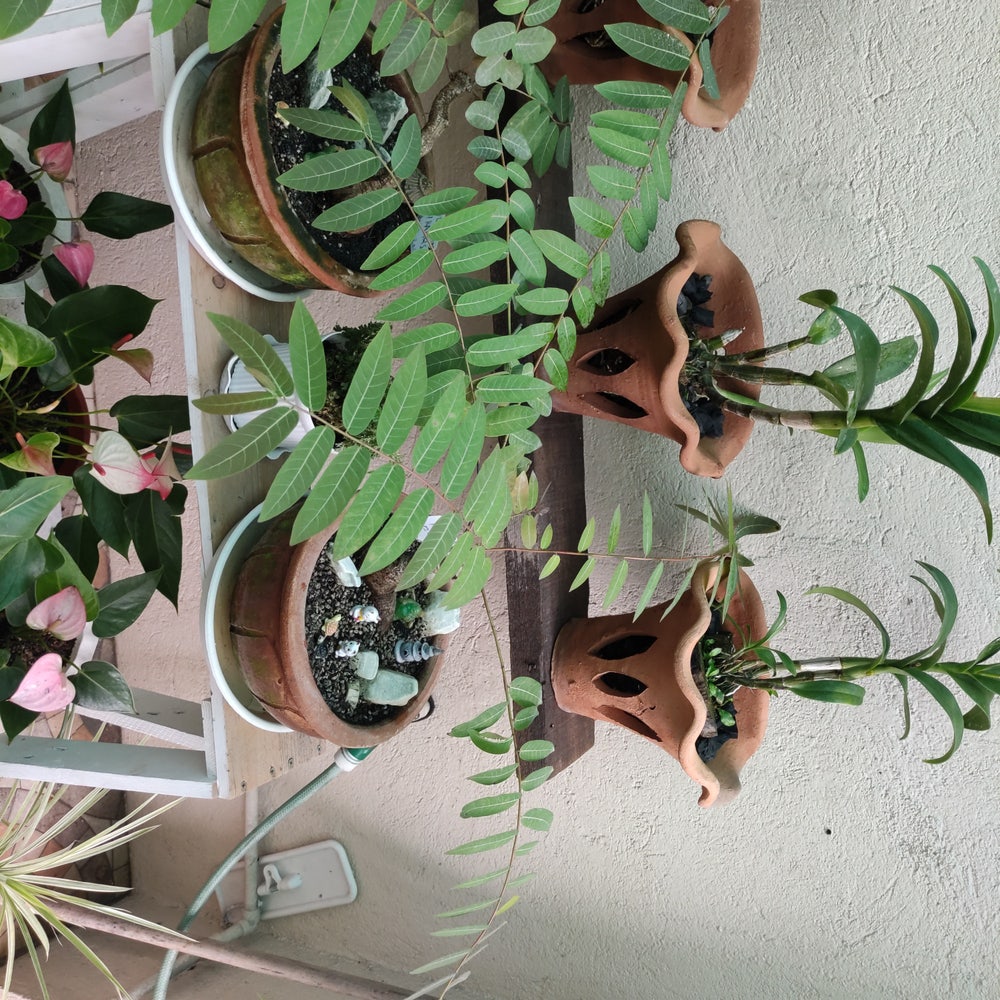
Chamber Bitter: An Invasive Plant
Phyllanthus urinaria
By the Greg Editorial Team
Sep 30, 2024•6 min read
This article was created with the help of AI so we can cover more plants for you. May contain errors. See one? Report it here.
Protect native ecosystems and boost agriculture 🌱 by tackling the invasive Chamber Bitter before it spreads! 🚫
- 🌱 Chamber Bitter is invasive, rapidly spreading and harming local ecosystems.
- ⚠️ It outcompetes native plants, leading to biodiversity loss and reduced crop yields.
- 🛠️ Effective control methods include manual removal, herbicides, and promoting native plant health.
Plant Classification
🌱 Definition of Weeds and Invasive Species
Weeds are plants that grow where they aren't wanted, often disrupting cultivated areas. They can quickly take over gardens and fields, making life difficult for gardeners and farmers alike.
Invasive species, on the other hand, are non-native plants that spread rapidly and cause ecological harm. They can outcompete local flora, leading to significant changes in the ecosystem.
📊 Criteria for Classifying Chamber Bitter as Invasive
Chamber Bitter meets several criteria that classify it as an invasive species. First, it has a rapid spread, easily colonizing disturbed areas.
Its competitive nature allows it to outcompete native plants for essential resources like sunlight, water, and nutrients. This aggressive behavior can lead to ecological impacts, altering habitats and reducing biodiversity.
Understanding these classifications helps us grasp the urgency of managing Chamber Bitter effectively. The next section will delve into how to identify this invasive plant.
Identification
Key Identifying Features 🌿
Chamber Bitter is easily recognized by its small, green, alternate leaves, which typically measure between 1 to 3 inches long. The plant produces small yellow-green flowers that cluster together, adding to its distinctive appearance.
Its growth habit can be either prostrate or erect, allowing it to reach heights of 1 to 2 feet. This adaptability makes it a formidable presence in various environments.
Look-Alike Plants and Distinguishing Characteristics 👀
When identifying Chamber Bitter, it's essential to compare it with similar species. Many common weeds may resemble it, but there are key distinguishing features to note.
For instance, the leaf shape and flower color can help differentiate Chamber Bitter from its look-alikes. Pay attention to the growth form as well; these characteristics are crucial for accurate identification and effective management.
Understanding these identifiers can empower you to recognize and address this invasive species in your area.
Growth Habits and Spread
Typical Growth Patterns 🌱
Chamber Bitter is notorious for its rapid growth, often forming dense mats that can smother surrounding vegetation. This aggressive growth habit allows it to quickly dominate disturbed areas, making it a formidable presence in various ecosystems.
Its adaptability is equally impressive. Chamber Bitter thrives in a range of soil types and conditions, from sandy to clay-rich soils, and it can flourish in both sunny and shaded environments. This versatility contributes significantly to its invasive potential.
Reproductive Strategies and Methods of Spread 🌼
One of the key factors behind Chamber Bitter's invasiveness is its prolific seed production. Each plant can produce thousands of seeds, which are capable of germinating in diverse environments. This means that even a small number of plants can lead to widespread infestations.
In addition to seed production, Chamber Bitter can also spread through vegetative reproduction. Stem fragments can root and grow into new plants, allowing it to expand its territory rapidly. This dual strategy of reproduction makes controlling its spread particularly challenging.
Understanding these growth habits and reproductive strategies is crucial for effective management and control of Chamber Bitter. By recognizing how it spreads, we can better prepare to combat its invasive nature and protect native ecosystems.
As we delve deeper into the ecological and economic impacts of Chamber Bitter, it becomes clear just how significant its presence can be.
Ecological and Economic Impact
🌱 Effects on Native Plant Communities
Chamber Bitter significantly reduces biodiversity by aggressively outcompeting native species for essential resources like sunlight, water, and nutrients. This competitive nature disrupts the balance of local ecosystems, leading to a decline in native plant populations.
Moreover, it alters soil composition and structure, which can negatively affect other plant species. These changes can create a ripple effect, impacting the entire ecosystem and the wildlife that depends on native plants for habitat and food.
💸 Economic Losses
In agricultural settings, Chamber Bitter poses a serious threat by competing for resources, which can lead to reduced crop yields. Farmers may find their efforts thwarted as this invasive plant siphons off vital nutrients and water.
Additionally, the economic burden of managing its spread can be substantial. Land managers and farmers often face increased expenses associated with control measures, diverting funds from other important agricultural or conservation initiatives.
Control and Management
🌱 Manual Removal Techniques
Manual removal is one of the most straightforward ways to control Chamber Bitter.
Hand-pulling: This method involves removing the entire plant, roots included, to prevent regrowth. It's easy but requires diligence to ensure no fragments are left behind.
Hoeing: Using a hoe to cut the plants at the base can be effective. This method is moderate in difficulty, as it ensures that roots are disturbed, reducing the chance of the plant re-establishing itself.
🧪 Chemical Control Options
When manual methods aren't enough, chemical control can step in.
Herbicides: Certain herbicides are recommended for effectively managing Chamber Bitter. Always follow the manufacturer's instructions for application to ensure safety and efficacy.
Timing: The timing of herbicide application is crucial. Applying during the plant's active growth phase maximizes effectiveness, so keep an eye on the growth cycle.
🦠 Biological Control Methods
Exploring natural solutions can also be beneficial.
Natural predators: Research is ongoing into the potential use of insects or pathogens that specifically target Chamber Bitter. These natural enemies could help keep its population in check.
Research status: Current studies are assessing the effectiveness of these biological control methods. Stay updated on findings, as they could provide new strategies for management.
🚫 Preventive Measures
Prevention is always better than cure.
Early detection: Monitoring for new infestations is vital. The sooner you identify Chamber Bitter, the easier it is to manage.
Cultural practices: Promoting healthy native plant communities can resist invasion. Techniques such as planting diverse species and maintaining soil health can create an environment less hospitable to invasive plants.
By employing a combination of these control and management strategies, you can effectively combat Chamber Bitter and protect your local ecosystem. Transitioning to the next section, let’s explore the legal status and potential benefits of this invasive species.
Legal Status and Potential Benefits
⚖️ Laws and Regulations
Managing invasive species like Chamber Bitter is crucial for protecting local ecosystems. Various local and state regulations exist to guide landowners in controlling these plants.
Landowners often have reporting requirements to notify authorities about infestations. This helps in tracking and managing the spread of invasive species effectively.
🌿 Historical or Current Beneficial Uses
Interestingly, Chamber Bitter has found its place in traditional medicine. Historically, it has been used in herbal remedies for various ailments, showcasing its potential benefits.
However, these uses are overshadowed by its invasive nature. The ecological risks it poses often outweigh any medicinal advantages.
📊 Overall Assessment
In summary, while Chamber Bitter may have some beneficial uses, its ecological and economic impacts are significant. The rapid spread and competitive nature of this invasive species make it a serious threat to native plant communities and agricultural productivity.
Understanding these dynamics is essential for effective management and conservation efforts. As we navigate the challenges posed by invasive species, awareness and action are key to preserving our natural landscapes.
⚠️ Safety First
This content is for general information and may contain errors, omissions, or outdated details. It is not medical, veterinary advice, or an endorsement of therapeutic claims.
Always consult a qualified healthcare professional before using any plant as food, medicine, or supplement.
Never eat any plant (or feed one to pets) without confirming its identity with at least two trusted sources.
If you suspect poisoning, call Poison Control (800) 222-1222, the Pet Poison Helpline (800) 213-6680, or your local emergency service immediately.
Spotted an error? Please report it here.
Combat the spread of Chamber Bitter 🌿 by using Greg's plant identification to swiftly manage this invasive threat and protect your garden's biodiversity!