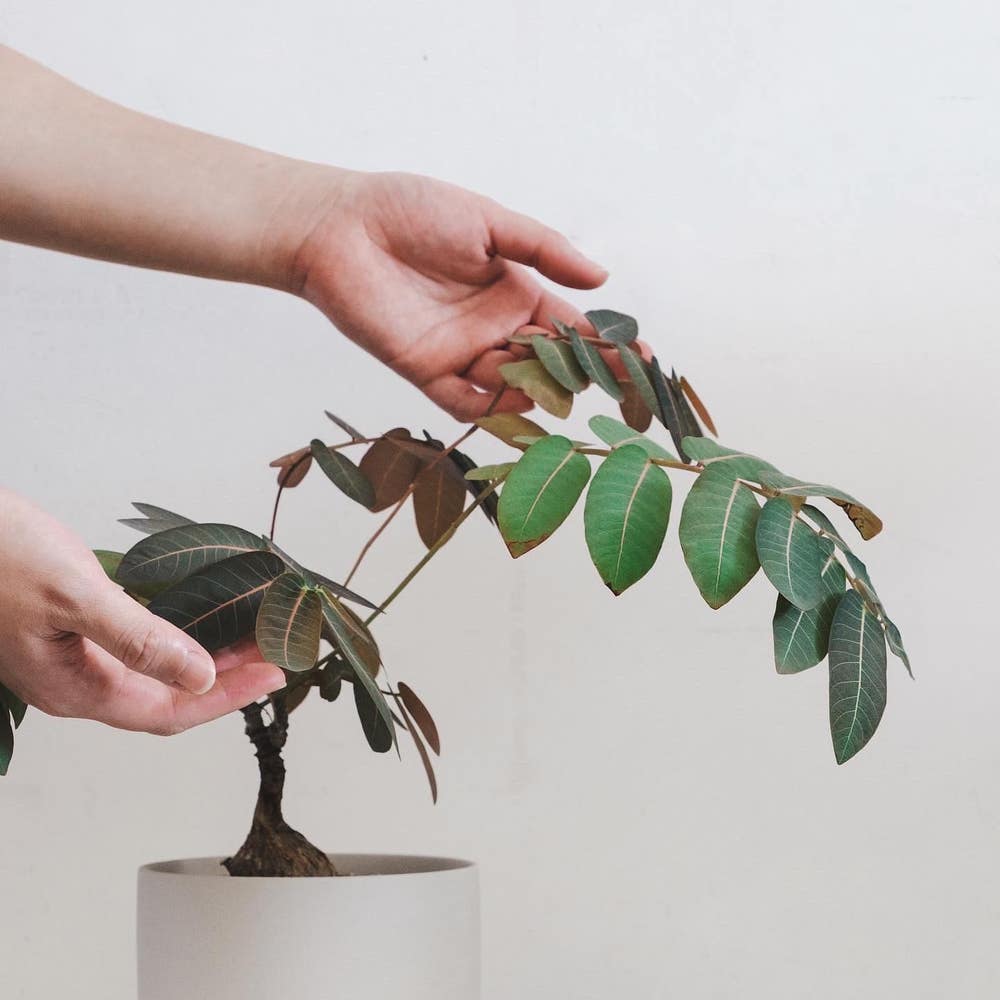
Chamber Bitter Fertilizer: How and When to Use It
Phyllanthus urinaria
By the Greg Editorial Team
Jun 18, 2024•4 min read
This article was created with the help of AI so we can cover more plants for you. May contain errors. See one? Report it here.
Nourish your Chamber Bitter to perfection 🌿 with our tailored fertilization secrets for lush growth and vibrant blooms.
- Organic vs. Synthetic: Choose based on your Chamber Bitter's needs.
- N-P-K Ratio Matters: 10-10-10 for growth, 0-10-10 for blooming.
- Seasonal Fertilizing: More in spring/summer, less in fall/winter.
Picking the Right Fertilizer for Chamber Bitter
💚 Organic vs. Synthetic: What's Best for Your Plant?
In the green corner, we have organic fertilizers, the slow-release powerhouses that nurture not just your Chamber Bitter, but the soil's ecosystem as well. They're the tortoises in this race: steady, reliable, and no risk of burning your green buddy with overuse. But, they do come with a higher price tag and a certain... earthy aroma.
Switching to the grey corner, synthetic fertilizers offer a rapid nutrient hit. Think of them as the espresso shot to your plant's morning routine—quick, potent, and cost-effective. However, they do carry the risk of overfeeding and scorching your plant if you get heavy-handed.
🌱 N-P-K Ratios: The Magic Numbers for Blooming
Nitrogen (N), phosphorus (P), and potassium (K) are the holy trinity for plant nutrition. For Chamber Bitter, it's all about finding that sweet spot. A balanced N-P-K ratio is like a well-mixed cocktail—too much of one ingredient and the whole thing's off. Stick with a balanced mix, like a 10-10-10, to keep your Chamber Bitter chuffed.
During the blooming phase, dial down the nitrogen. You want to encourage flowers, not just a bushy green beast. An N-P-K ratio with higher phosphorus, say 0-10-10, is your ticket to bloom town. Remember, moderation is key—overdo it and you'll be nursing a nutrient hangover.

Timing is Everything: When to Fertilize
⏰ Syncing with Growth Cycles
Chamber Bitter thrives when fertilization aligns with its growth cycles. During the vegetative stage, a higher nitrogen content supports lush foliage. Transition to a phosphorus-rich fertilizer as the plant enters the blooming phase to encourage vibrant flowers.
📅 Seasonal Smarts: Adjusting for the Calendar
Fertilization isn't a set-it-and-forget-it deal. Seasons dictate the plant's needs. In spring and summer, your Chamber Bitter is all about growth, demanding more frequent feedings. Come fall, it's time to ease off; winter is for rest, not feasts. Keep your fertilizer in the shed during the cold months unless you spot signs of new growth.

The Art of Fertilizer Application
💊 Dosage and Distribution: Getting it Just Right
Fertilizing Chamber Bitter isn't a throw-it-and-hope-for-the-best kind of deal. Dosage is critical. Stick to the label's guidance like it's the sacred text of gardening. Overdoing it? That's a recipe for disaster, not growth.
For distribution, think even coverage across the root zone. Liquid fertilizers? They're like a quick shot of espresso for your plants—fast-acting and potent. Use a hose-end sprayer for a uniform application, and don't let those granules play favorites; spread the love evenly.
🚩 Signs You're Overdoing It: Over-Fertilization Symptoms
The plant world's equivalent of a food coma is over-fertilization. Yellowing leaves, stunted growth, or a sudden case of the droops? Your Chamber Bitter is screaming, "I'm stuffed!" Flush the soil with water to wash away excess fertilizer—once isn't enough, so keep at it.
Brown, crispy leaf edges? That's the hallmark of fertilizer burn. It's like sunburn for plants, except it's not from the sun, it's from you going Rambo with the fertilizer. If you see this, it's time to back off and give your plant some recovery space. Remember, less is more when it comes to feeding your green friends.

Keeping Tabs: Monitoring Your Fertilization Strategy
🌿 Reading Your Plant: What's It Telling You?
Chamber Bitter plants don't come with mood rings, but they're communicative in their own right. Yellowing leaves? Your green buddy might be telling you to ease up on the fertilizer. No flowers? It's probably hinting at a nutrient boost. Take these signs as feedback on your fertilization regimen and adjust accordingly.
🎛 Tweaking the Plan: When to Dial Back or Ramp Up
Plants are like that friend who never says what's really on their mind—you've got to read between the lines. If your Chamber Bitter is thriving, you're on the right track. But if it's looking sadder than a forgotten birthday, it's time to change tactics. Maybe dial back on the nitrogen or give it a potassium kick. Remember, plant care is a bit like DJing: you've got to keep tweaking the mix until it's just right.
⚠️ Safety First
This content is for general information and may contain errors, omissions, or outdated details. It is not medical, veterinary advice, or an endorsement of therapeutic claims.
Always consult a qualified healthcare professional before using any plant as food, medicine, or supplement.
Never eat any plant (or feed one to pets) without confirming its identity with at least two trusted sources.
If you suspect poisoning, call Poison Control (800) 222-1222, the Pet Poison Helpline (800) 213-6680, or your local emergency service immediately.
Spotted an error? Please report it here.
Ensure your Chamber Bitter flourishes with seasonal feeding reminders 📅 from Greg, tailored to its growth cycle and your unique environment.