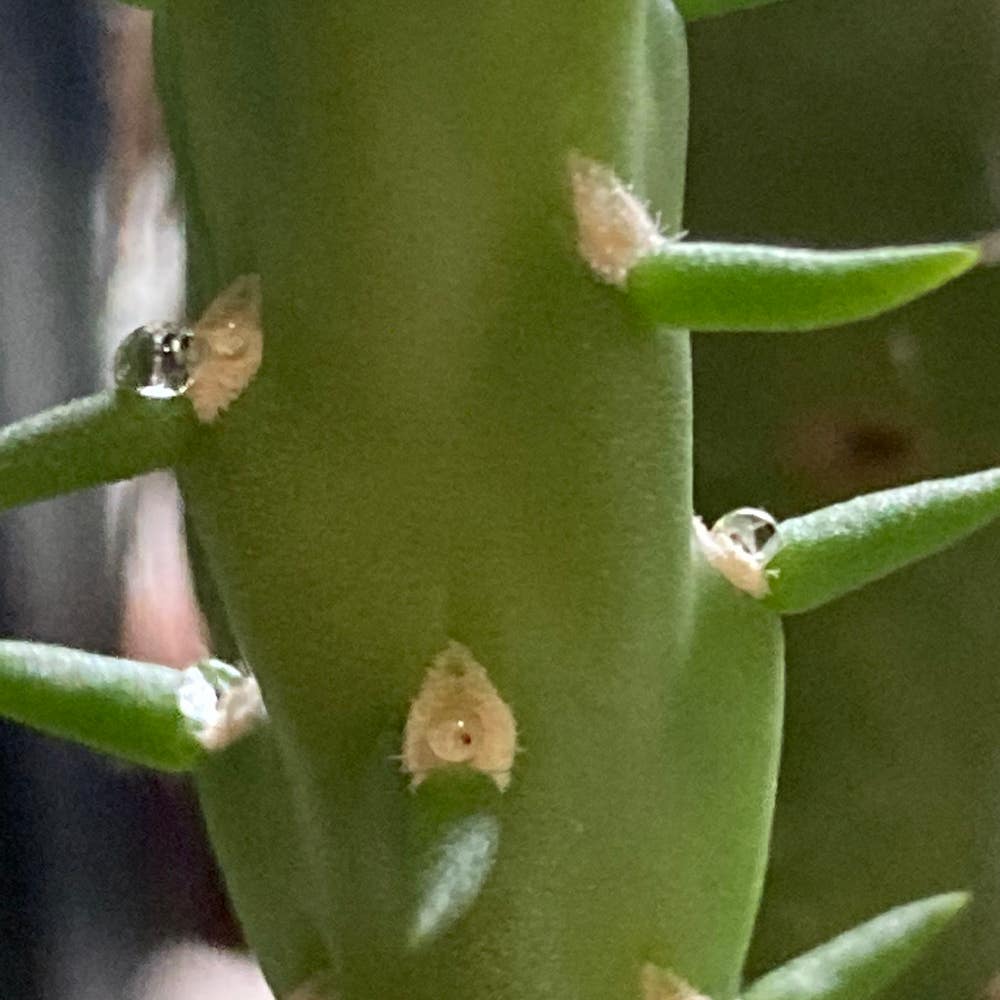
How Much Sunlight For Your Chain-Link Cholla
Cylindropuntia cholla
By the Greg Editorial Team
Feb 13, 2024•3 min read
This article was created with the help of AI so we can cover more plants for you. May contain errors. See one? Report it here.
Nurture a vibrant Chain-Link Cholla by mastering its ideal sun exposure! 🌞🌵
- 🌞 Morning sun, afternoon shade for the perfect Chain-Link Cholla sunbath.
- Reflective surfaces indoors mimic desert sun for Chain-Link Cholla.
- Full-spectrum LEDs recommended for indoor Chain-Link Cholla growth.
Soaking Up the Sun: Outdoor Light Love
🌞 The Ideal Sunbath for Chain-Link Cholla
Chain-Link Cholla cacti are sun enthusiasts, but they have their limits. The perfect sunbath combines morning sunlight with afternoon shade. Aim for a spot that offers this balance to prevent the midday sun from causing stress and discoloration.
🌞 When the Sun's Too Strong
Intense summer heat can be too much for your Chain-Link Cholla. If you notice brown spots or a bleached appearance, it's a cry for help. Provide some shade to protect your cactus. Consider using a light meter to monitor exposure, ensuring your cactus isn't overdoing its sun-worshipping. Remember, gradual acclimatization is crucial when moving your cactus outdoors. Keep an eye on the weather; in zones outside USDA Hardiness Zones 9a-11b, be prepared to shield your cactus from unexpected frosts or heat waves.
Bringing the Desert Inside: Indoor Light Needs
🌵 Windowsill or Sunroom? Best Spots for Your Indoor Cholla
South-facing windows are the VIP lounge for your Chain-Link Cholla, dishing out the bright rays it naturally craves. But don't write off east or west-facing windows; they're more than just the sidekicks, especially if your home layout gives the cold shoulder to the south.
🌞 Tricks to Mimic the Desert Sun Indoors
Reflective surfaces are your sneaky sidekick in the quest for more light. Think mirrors or shiny foil, strategically placed to double down on those rays. It's like turning your living room into a sun-drenched desert, minus the scorching heat.
Let There Be Blooms: Light's Role in Flowering
🌞 Sunlight and the Secret to Chain-Link Cholla Flowers
Chain-Link Cholla cacti are sun worshippers, but blooming is a fickle affair. Light duration and intensity aren't just preferences; they're non-negotiables for those coveted flowers. Too little light, and your Cholla's bloom ambitions are dashed. Too much, and it's a desert drama of sunburnt proportions. Rotate your plant to ensure all sides receive their solar dues.
🌸 Seasonal Light Shifts and Flowering Cycles
As Earth struts its seasonal runway, light shifts follow. Your Cholla's internal clock ticks with these changes. Shorter days may keep it in vegetative stasis, while longer days whisper sweet nothings of flowering. It's a delicate dance of timing and light exposure. Adjust your plant's position with the seasons to maintain consistent light, and watch for the subtle cues of impending blooms.
Grow Lights: The Indoor Sun Substitute
💡 Choosing the Right Grow Light for Your Cholla
Full-spectrum grow lights are the VIPs for your Chain-Link Cholla. They provide the whole shebang of light wavelengths, which is like giving your cactus a buffet of sunshine. LEDs are the cool kids on the block, energy-efficient with a low heat output, so no worries about frying your green buddy. Fluorescent lights are the old reliable, less flashy but still effective. They're the workhorses that won't let you down.
💡 Setting Up Your Indoor Light Oasis
Place your grow light above the Cholla, like a sun hat that's actually useful. Keep it close, but not too close—about a 6-inch berth should do the trick to avoid turning your cactus into a crispy critter. Use a timer to mimic the sun's natural schedule; think of it as setting an alarm clock for your plant's personal sunrise and sunset. Rotate your cactus occasionally to ensure even growth, because nobody wants a lopsided plant. It's all about creating that desert vibe, minus the scorching heat.
⚠️ Safety First
This content is for general information and may contain errors, omissions, or outdated details. It is not medical, veterinary advice, or an endorsement of therapeutic claims.
Always consult a qualified healthcare professional before using any plant as food, medicine, or supplement.
Never eat any plant (or feed one to pets) without confirming its identity with at least two trusted sources.
If you suspect poisoning, call Poison Control (800) 222-1222, the Pet Poison Helpline (800) 213-6680, or your local emergency service immediately.
Spotted an error? Please report it here.
Achieve the ideal sunbath ☀️ for your Chain-Link Cholla with Greg's PlantVision, ensuring just the right light for health and blooms by reminding you when to rotate or shade your spiky friend.