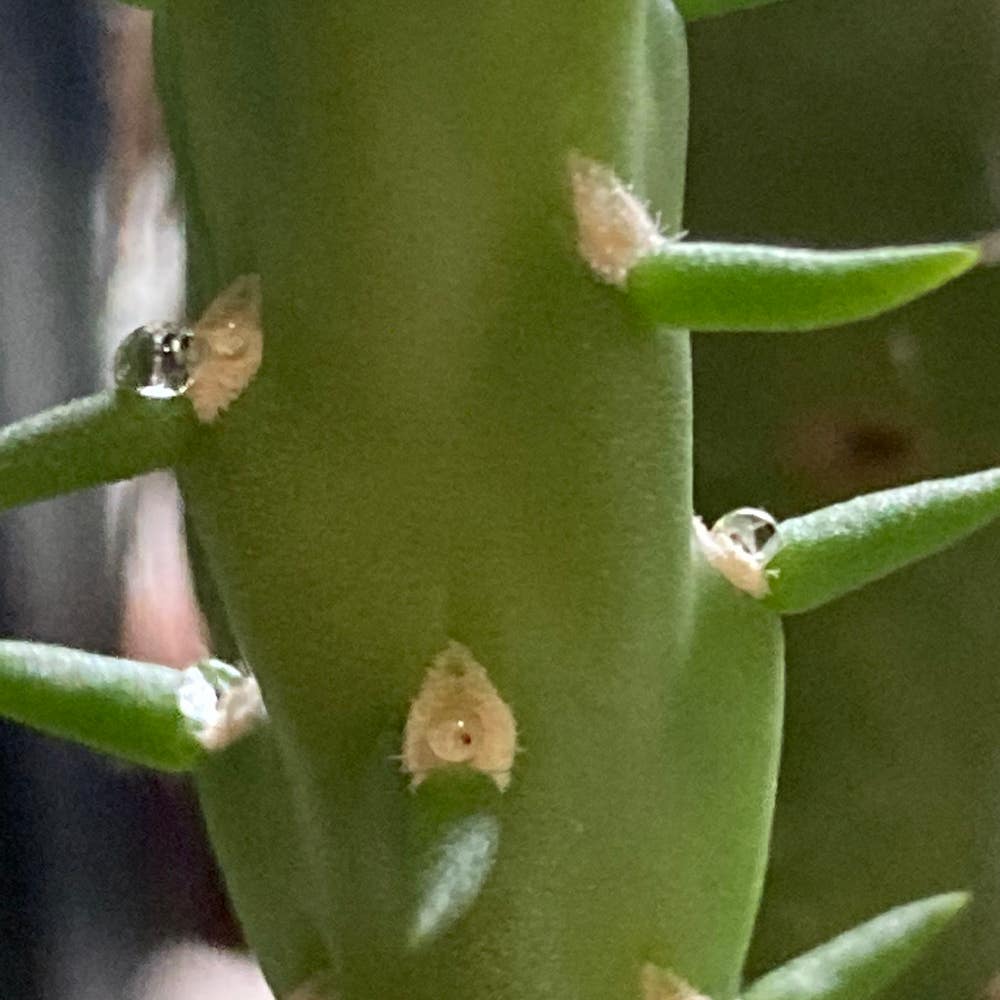
Why Are My Chain-Link Cholla Leaves Falling Over?
Cylindropuntia cholla
By the Greg Editorial Team
Feb 13, 2024•3 min read
This article was created with the help of AI so we can cover more plants for you. May contain errors. See one? Report it here.
Prevent your Cholla's slump 🌵 with proven tips for perfect plant posture and health!
- Bright light is crucial; move Cholla to sunnier spots and rotate weekly.
- Monitor watering closely; let soil dry between waterings, check for pests.
- Prevent droopiness with well-draining soil, proper light, and regular check-ups.
Why Your Chain-Link Cholla Might Be Falling Over
💡 Insufficient Light and How to Brighten Up Your Plant's Life
Chain-Link Cholla thrives in bright light. If it's stretching or leaning, it's literally reaching out for more. To fix this, move your plant closer to a light source and rotate it weekly for even exposure.
🚰 Too Much Love: The Perils of Overwatering
Soggy soil is a no-go. Overwatering symptoms include yellowing leaves and a mushy base. Let the soil dry out between waterings, and make sure your pot has proper drainage.
🏜️ Thirsty for Attention: Underwatering Woes
Underwatering leaves your Cholla limp and lifeless. The soil should be dry an inch down before you water again. Consistency is key—set a schedule and stick to it.
🛡️ Unwanted Guests: Pests and Diseases That Cause Droopiness
Pests and diseases can turn your Cholla into a droopy mess. Look for unusual spots or insects, and treat promptly with appropriate pesticides or fungicides. Regular check-ups can prevent these issues from taking root.
First Aid for Your Floppy Cholla
💡 Light Recovery: Helping Your Plant Stand Tall Again
If your Chain-Link Cholla is slouching, light might be the issue. Gradually move it closer to a sunnier spot, but avoid direct midday rays that can scorch. Think of it as a gentle nudge rather than a shove into the spotlight.
🚰 Watering Rehab: Restoring Balance to Your Cholla's Diet
Overwatering can leave your Cholla bloated and bent. Cut back on the H2O and let the soil dry out. Monitor the moisture like a hawk and only water when the top inch feels like a dry desert.
🛡️ Pest Control: Evicting the Invaders
Pests are the party crashers of the plant world. Inspect your Cholla for freeloaders and show them the door with insecticidal soap or neem oil. Keep the environment clean to deter future gatecrashers.
Keeping Your Cholla Upright: Prevention Tips
🌵 Location, Location, Location: Where to Place Your Cholla
Strategic placement is crucial for your Chain-Link Cholla's posture. Ensure it's in a spot with bright, indirect light and good airflow to mimic its natural, arid conditions. Avoid moisture-trapping areas like under eaves or near leaky gutters. Think of it as setting your plant in a cozy nook with plenty of fresh air, not a damp, stagnant corner.
🌱 The Right Foundation: Soil and Potting Mix Essentials
Choosing the right soil mix is like picking a tailored suit—it needs to fit just right. Go for a blend that's well-draining, perhaps with perlite or sand, to give your Cholla's roots the breathability they crave. Remember, soggy soil is a no-go zone for these desert dwellers. And don't forget the pot—it should have drainage holes to spare, acting as a lifeline against root rot.
👀 Vigilance is Key: Regular Plant Check-Ups
Routine inspections are your best defense against droopiness. Keep an eye out for pests, signs of over or underwatering, and soil compaction. Adjust care as needed, and don't be afraid to pivot like a pro. It's about being a vigilant plant parent, ready to tweak the living conditions at the first sign of trouble.
⚠️ Safety First
This content is for general information and may contain errors, omissions, or outdated details. It is not medical, veterinary advice, or an endorsement of therapeutic claims.
Always consult a qualified healthcare professional before using any plant as food, medicine, or supplement.
Never eat any plant (or feed one to pets) without confirming its identity with at least two trusted sources.
If you suspect poisoning, call Poison Control (800) 222-1222, the Pet Poison Helpline (800) 213-6680, or your local emergency service immediately.
Spotted an error? Please report it here.
Revitalize your drooping Chain-Link Cholla with Greg's 🌵 custom care schedule, ensuring just the right amount of water and light from the tips in this article.