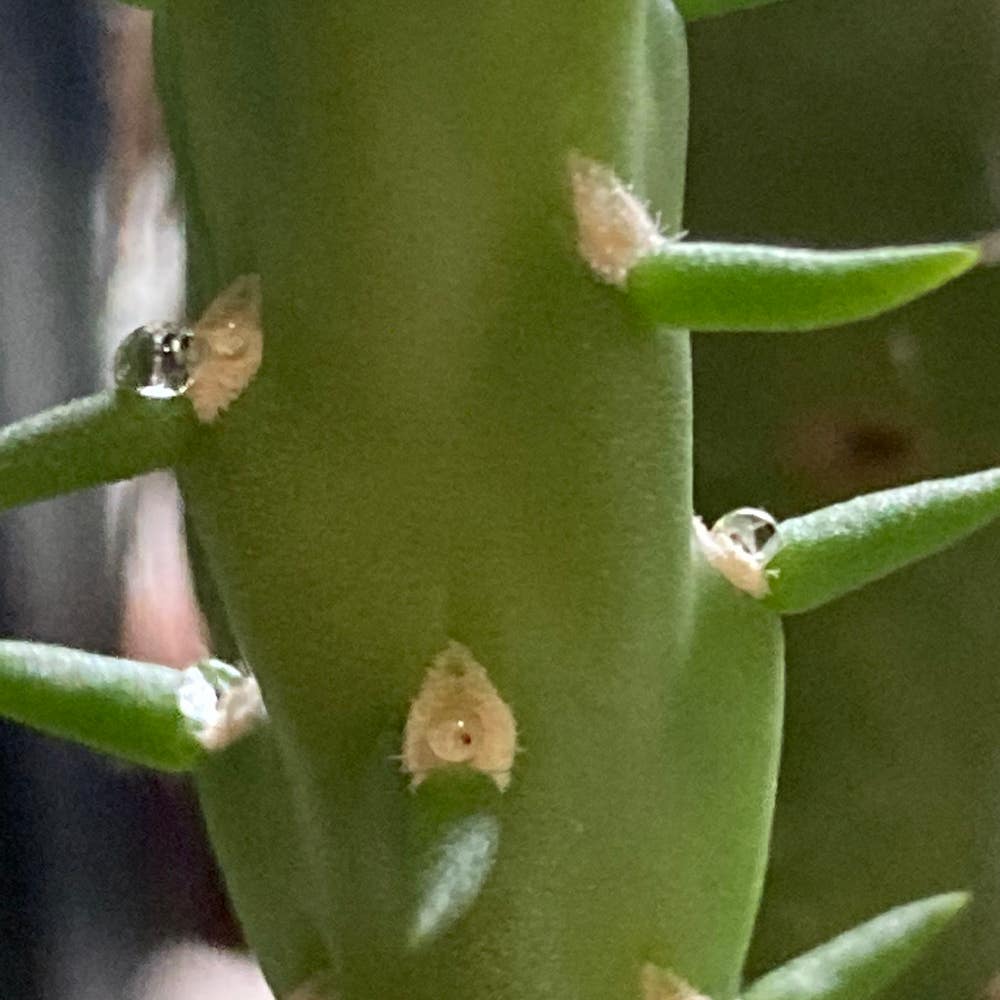
Why Are My Chain-Link Cholla Leaves Curling?
Cylindropuntia cholla
By the Greg Editorial Team
Feb 13, 2024•6 min read
This article was created with the help of AI so we can cover more plants for you. May contain errors. See one? Report it here.
Unravel the mystery behind curling Cholla leaves and secure plant health with this essential guide! 🌵
- Leaf curling signals distress; watch for discoloration and texture changes.
- Balance watering, monitor temps to prevent curling in Chain-Link Cholla.
- Regular check-ups, proactive care keep your Cholla's leaves healthy.
Spotting the Signs of Leaf Curling
🍃 Identifying Leaf Curling and Related Symptoms
Leaf curling in Chain-Link Cholla isn't just a quirky trait; it's a cry for help. When leaves twist into sharp bends or spirals, it's time to pay attention. Discoloration is another red flag—leaves should not be turning yellow or brown without cause. A change in texture—leaves that feel softer or thinner—also spells trouble.
📋 Quick Checklist for Assessing Leaf Health
Here's a rapid-fire checklist to gauge the health of your Cholla's leaves:
- Sharp bends or spirals in the leaves
- Any discoloration, such as yellowing or browning
- Changes in texture, like softness or thinness
- Presence of necrotic blotches or dead tissue spots
- Environmental stress signs, including crispy edges or leaves falling off easily
- Pest infestation clues, like webbing, nibbled leaves, or yellow spots
Keep an eye out for these symptoms, and you'll be the first to know if your plant is throwing a silent tantrum.
Unraveling the Causes of Leaf Curling
💧 Water Woes
Overwatering turns your Chain-Link Cholla's leaves into a droopy mess, curling downwards as if trying to escape a soggy nightmare. Conversely, underwatering makes leaves curl upwards, hoarding moisture like a miser with gold. The trick is to strike a balance, ensuring the soil's top inch is dry before watering again, but stopping short of a flood.
🌡️ Environmental Enemies
Extreme temperatures and humidity can make your Cholla's leaves curl tighter than a miser's fist. Leaves curl under heat stress or when the air is drier than a stand-up comedian's wit. Aim for that 40%-60% humidity range and stable temperatures to keep your plant from throwing a fit.
👾 Pesky Pests and Dastardly Diseases
Pests such as spider mites and aphids are like unwelcome party crashers, leaving behind deformed and sticky leaves. Diseases manifest as spotted or discolored leaves, often accompanied by curling as a cry for help. Be the plant's hero by spotting these signs early and taking swift action.
Turning the Tide on Curling Leaves
💧 Fine-Tuning Your Watering Technique
Watering isn't just about quantity; it's about timing and technique. To hit the sweet spot, water when the top inch of soil is dry. Use a long-spout watering can for precision, targeting the soil and not the leaves. Overhead watering can invite fungal unpleasantries.
Consistency is your plant's best friend. A regular check with your finger or a moisture meter can prevent the extremes of drought and deluge. Consider a drip system to automate the process, ensuring even hydration without the guesswork.
🌱 Soil and Drainage Tips for Optimal Moisture
The right soil mix is like a tailored suit; it fits your plant's needs perfectly. For Chain-Link Cholla, think gritty and well-draining—a mix of cactus soil with added perlite or pumice works wonders.
Drainage is non-negotiable. Ensure your pot has adequate holes, and don't let your plant sit in a saucer of water. If you're feeling crafty, a layer of gravel at the bottom of the pot can enhance drainage.
🌿 Crafting the Ideal Environment
Temperature and humidity can be as fickle as spring weather. Aim for a stable environment, steering clear of the extremes. If you're dealing with indoor air, a humidifier or pebble tray can help maintain the moisture sweet spot.
Air circulation is the invisible dance partner in your plant's life. It prevents the air from becoming stale and wards off unwanted pests. A gentle fan can keep the air moving, but avoid turning your living room into a wind tunnel.
🐛 Winning the War Against Pests and Diseases
Pests love a good plant feast. Regular inspections can catch these critters before they become a banquet. If you spot trouble, isolate your plant and treat it with neem oil or insecticidal soap.
Diseases often follow on the heels of stress. Keep your plant strong with proper care, and it'll be less inviting to diseases. If you do spot signs of illness, remove affected areas and consider a fungicide. Remember, prevention is better than cure, so keep those care practices consistent.
Proactive Practices to Prevent Future Frowns
🦸 The Power of Preventative Care
Preventative care is the unsung hero in the plant world. It's the equivalent of eating your veggies and hitting the gym for your Chain-Link Cholla. By sticking to a regular care routine, you're not just keeping your plant alive, you're helping it thrive.
👩⚕️ Regular Check-Ups: The Plant's Physical
Think of regular check-ups as your plant's biannual physical. Just like you'd spot a cavity before it becomes a root canal disaster, catching early signs of pests or nutrient deficiencies can save you a world of leaf curl later on. Inspect your Cholla's leaves, stem, and soil regularly—make it part of your Sunday morning coffee ritual.
🔄 Consistency in Care Routines
Consistency is the backbone of Cholla care. Watering should be as predictable as your favorite TV show's airing schedule. Tailor it to your plant's needs, and adjust with the seasons. It's not about drenching on a whim; it's about understanding what your Cholla craves and delivering it with the regularity of a metronome.
🌿 Embracing the Routine
Let's face it, plants like routine more than a toddler does. So, establish a care schedule that's as non-negotiable as your morning alarm. Monitor the soil's moisture, keep an eye on light conditions, and adjust your watering technique as needed. It's about creating a stable environment where your Cholla can put down roots, both literally and metaphorically.
📓 The Logbook: Your Plant's Biography
Keep a log. Not the kind you throw on a fire, but a record of your plant's life. Noticed a new spot on a leaf? Write it down. Switched up the fertilizer? Make a note. This logbook will become your go-to guide for what works, what doesn't, and what made your Cholla do the happy dance.
🏁 The Bottom Line
In the end, proactive care is about being as attentive to your Chain-Link Cholla as you are to your smartphone's battery life. It's about catching the little things before they become big, leaf-curling problems. So, roll up your sleeves, and let's keep those leaves as flat and uncurled as the plains of the Midwest.
⚠️ Safety First
This content is for general information and may contain errors, omissions, or outdated details. It is not medical, veterinary advice, or an endorsement of therapeutic claims.
Always consult a qualified healthcare professional before using any plant as food, medicine, or supplement.
Never eat any plant (or feed one to pets) without confirming its identity with at least two trusted sources.
If you suspect poisoning, call Poison Control (800) 222-1222, the Pet Poison Helpline (800) 213-6680, or your local emergency service immediately.
Spotted an error? Please report it here.
Keep your Chain-Link Cholla thriving 📈 with Greg's custom care reminders that track and balance watering, temperature, and pest control for you!