🌞 Is My Chain-Link Cholla Getting Too Much Direct Sunlight?
Cylindropuntia cholla
By the Greg Editorial Team
Feb 13, 2024•3 min read
This article was created with the help of AI so we can cover more plants for you. May contain errors. See one? Report it here.
Avoid a sunburnt Cholla 🌵 by mastering its sunlight language for a thriving, vibrant cactus!
- 🌞 Chain-Link Cholla loves bright, direct sunlight, but beware of sunburn.
- Signs of too much sun: Yellowing, bleaching, and the need for shade.
- Adjust light with seasons: Use curtains and strategic placement year-round.
Sunlight 101: What Does Chain-Link Cholla Prefer?
🌞 Defining Direct Sunlight for Plant Parents
Direct sunlight is the full monty of solar exposure, unfiltered and unapologetic, while indirect sunlight is its cooler, more laid-back cousin. Imagine the sun's rays as a spotlight on a stage—direct sunlight is a front-row seat, while indirect light is a balcony view, still bright but without the glare.
🌵 Chain-Link Cholla's Sunlight Appetite
The Chain-Link Cholla is a sun worshipper, thriving in the kind of bright, unfiltered light that would send lesser plants scurrying for cover. It's a desert native, so it's all about soaking up those rays like a solar panel. But even sun lovers can have too much of a good thing. Keep an eye out for the telltale signs of sunburn, and remember, moderation is key—even for the hardiest of cacti.
Spotting the Signs: Is Your Cholla Charming or Charring?
😊 Happy Plant, Happy Life
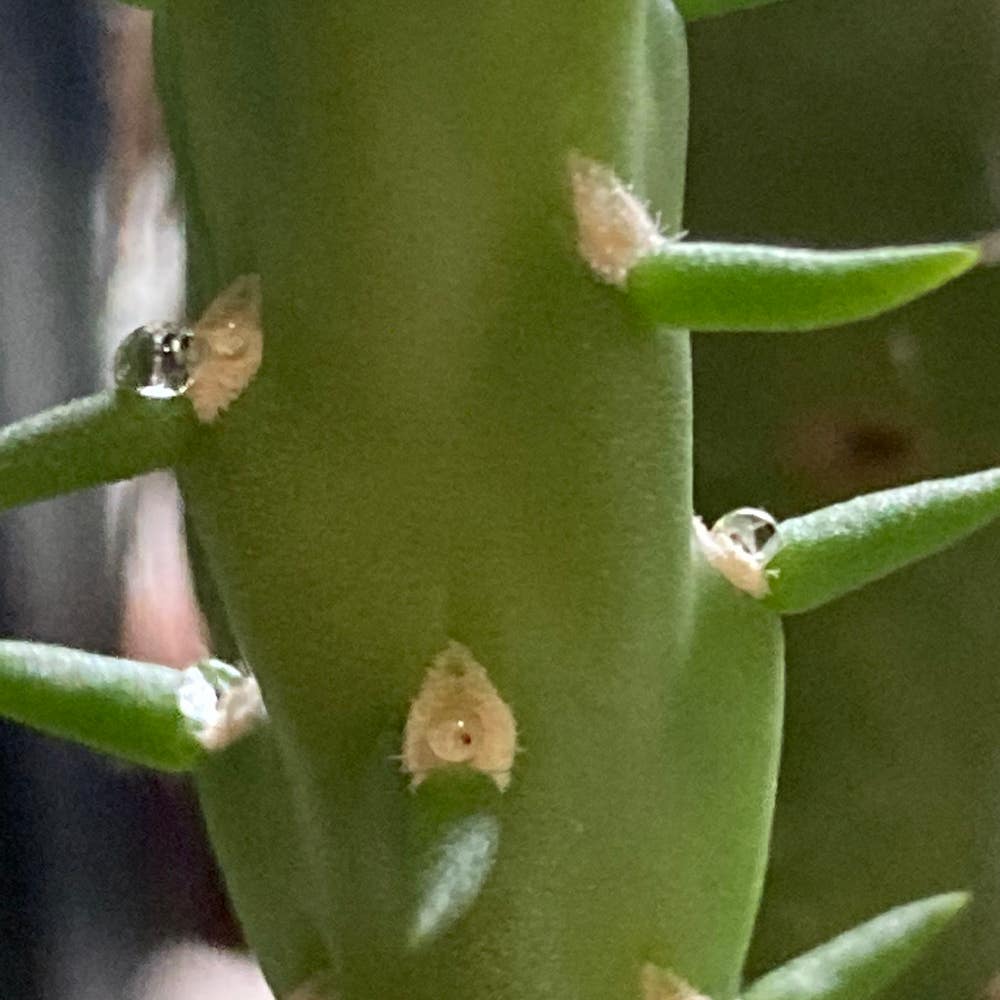
A thriving Chain-Link Cholla basks in the sun, showcasing firm, plump stems and an even, vibrant color. It's the plant equivalent of a sun-kissed glow.
🆘 SOS: Signs of Too Much Sun
Yellowing or bleached sections on your Cholla's skin scream 'sunburn!' If the spines look more frazzled than fierce, it's time to dial back the direct rays.
The Great Window Debate: Where to Place Your Cholla
🧭 Direction Matters
Window orientation is crucial for your Chain-Link Cholla's well-being. In the Northern Hemisphere, south-facing windows are your plant's best friend for maximum sunlight. Conversely, those in the Southern Hemisphere should seek out north-facing windows for their sun-loving cacti.
If your windows don't align with these ideals, don't despair. Reflective surfaces can redirect light, and grow lights can supplement what your window lacks. But beware: too much artificial light can be just as harmful as too little natural light.
🌍 Hemisphere Highlights
Your global position changes the game for your Chain-Link Cholla. The intensity and angle of sunlight vary greatly between hemispheres, affecting how your cactus experiences daylight.
Adjust your care routine based on your geographic location. For instance, if you're in an area with intense afternoon sun, consider sheer curtains to protect your Cholla from sunburn. Remember, it's about finding the right balance of light for your spiky companion.
Seasonal Sun Shifts: Keeping Your Cholla Cheerful Year-Round
🌞 Summer vs. Winter Sun Strategies
Summer's sun can be a scorcher, necessitating a retreat for your Chain-Link Cholla during peak hours. Think of it as a midday siesta to avoid a sunburn. Winter, on the other hand, is a time to soak up the sun. With its weaker rays and shorter days, your Cholla may crave extended exposure to stay perky.
💡 Practical Tips for Perfect Placement
Shades and blinds are your allies in managing your Cholla's light diet. Use them to dial down the intensity in summer or let in more light during winter's gloom. Rotation is also key; turn your plant regularly to ensure even sunbathing. And remember, the sun's trajectory changes, so keep an eye out and be ready to shift your Cholla's spot to maintain that sweet spot of light.
⚠️ Safety First
This content is for general information and may contain errors, omissions, or outdated details. It is not medical, veterinary advice, or an endorsement of therapeutic claims.
Always consult a qualified healthcare professional before using any plant as food, medicine, or supplement.
Never eat any plant (or feed one to pets) without confirming its identity with at least two trusted sources.
If you suspect poisoning, call Poison Control (800) 222-1222, the Pet Poison Helpline (800) 213-6680, or your local emergency service immediately.
Spotted an error? Please report it here.
Ensure your Chain-Link Cholla flourishes with just the right amount of sunlight by using Greg to monitor 🌞 exposure and tailor care reminders for healthy growth!