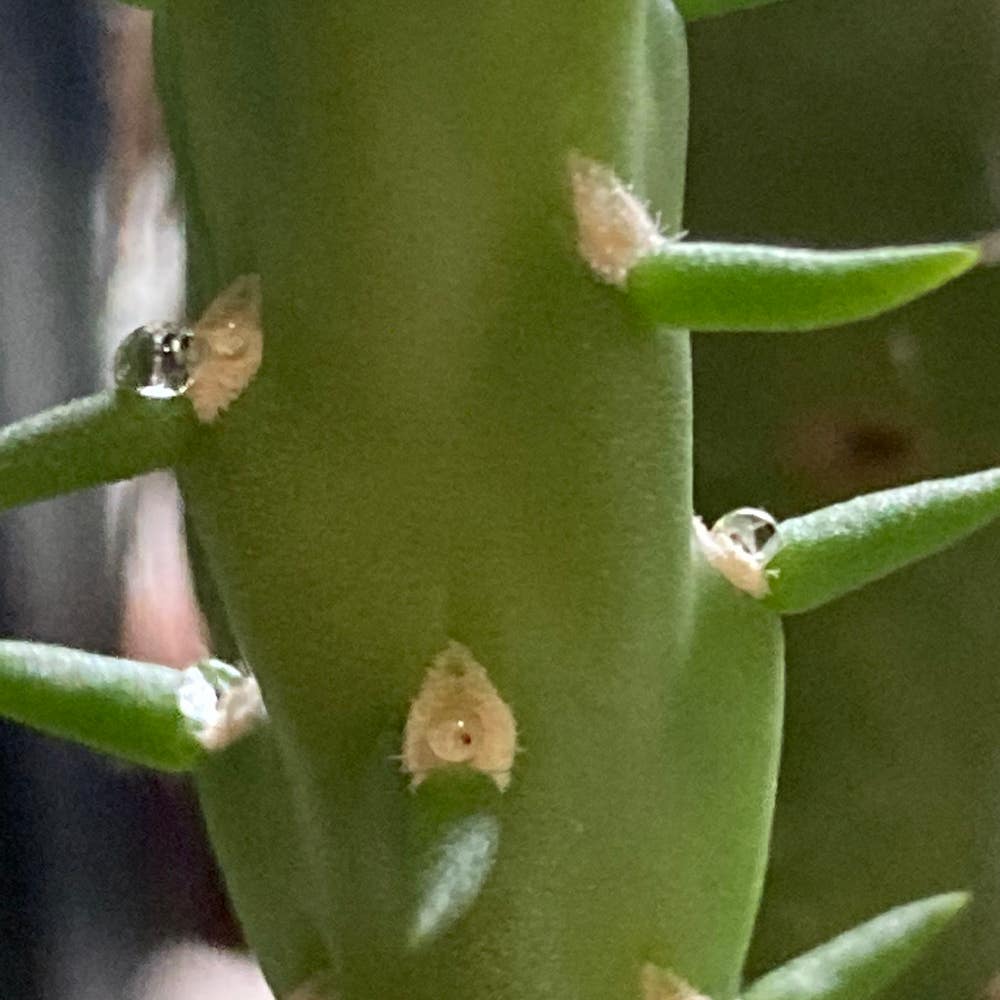
🐛 What To Do About Bugs on My Chain-Link Cholla?
Cylindropuntia cholla
By the Greg Editorial Team
Feb 13, 2024•4 min read
This article was created with the help of AI so we can cover more plants for you. May contain errors. See one? Report it here.
Shield your Chain-Link Cholla from creepy crawlers 🐛 with top-notch, plant-friendly pest tactics! 🌵
- 🕸️ Spot spider mites by webbing and yellowing; wash or soap them away.
- 🌵 Prevent pests with humidity, inspections, and proper soil moisture management.
- 🚫 Eradicate invaders like scale, mealybugs, and flies with alcohol, soap, or traps.
Spotting the Culprits: Common Bugs on Chain-Link Cholla
🕷️ Spider Mites
Telltale signs: How to spot these tiny terrors
Spider mites are microscopic miscreants that wreak havoc on your Chain-Link Cholla. Look out for fine webbing on the undersides of spines or leaves, along with speckled yellowing or bronzing. These pests are so tiny, they might initially pass for dust.
Combat tactics: Effective ways to send spider mites packing
To kick spider mites to the curb, isolate your cactus. A strong stream of water can dislodge these pests. For stubborn cases, insecticidal soap or neem oil are your go-to solutions. Apply with vigilance, focusing on the plant's nooks and crannies.
Keeping them at bay: Tips to prevent future spider mite squatters
Prevention is key. Keep the air humid around your cactus, as spider mites despise moisture. Regularly inspect your plant with a magnifying glass and wipe down the spines to deter these unwelcome guests.
🦠 Scale Insects
Bumps be gone: Identifying scale on your cactus
Scale insects are masters of disguise, posing as innocuous bumps on your cactus. They're often the same color as the plant, making them hard to spot. If you notice a sticky residue or a cluster of bumps, it's time to investigate.
Scale scrap: Natural and chemical remedies to reclaim your plant
To battle scale, you can dab them with rubbing alcohol using a cotton swab. For larger infestations, consider systemic insecticides. Always follow the label instructions and apply with care, as your Cholla's health is at stake.
Scale-proofing your Cholla: Prevention practices
Prevent scale by introducing natural predators, like ladybugs, into your garden. Keep your cactus in optimal health; a stressed plant is more susceptible. Regularly inspect your Cholla, especially under the leaves and in crevices.
🦟 Fungus Gnats and Fruit Flies
Fungus gnat frenzy: Spotting and distinguishing from fruit flies
Fungus gnats and fruit flies are the uninvited guests of the insect world. They're drawn to moist soil, and you'll spot them when they launch into flight upon watering. Fungus gnats look like tiny mosquitoes, while fruit flies are slightly larger with red eyes.
Fly away: Strategies to eliminate these pesky fliers
To send these fliers packing, let the soil dry out between waterings. Use sticky traps to catch adults, and consider a layer of sand on the soil surface to block larvae from emerging.
Dry tactics: Soil and moisture management to prevent infestations
Manage soil moisture by ensuring proper drainage and avoiding overwatering. A dry top layer of soil is your best defense against these moisture-loving pests.
🐛 Mealybugs
Cottony clusters: Recognizing mealybug mayhem
Mealybugs look like tiny cotton clusters hiding in the crevices of your Cholla. If you see these or notice a sticky residue and yellowing leaves, it's time for action.
Mealybug meltdown: Eradicating these pests effectively
To eradicate mealybugs, use a cotton swab soaked in rubbing alcohol to wipe them out. In severe cases, insecticidal soap or neem oil can be applied. Be thorough, as these pests can hide in the smallest of spaces.
Quarantine to clean: Preventing mealybug migration
Prevent mealybug migration by quarantining new plants before introducing them to your collection. Regularly inspect
Special Mention: Other Pests to Watch Out For
🐞 Aphids
Sticky situation: Aphids are the clingy guests on your Chain-Link Cholla. Look for clusters of tiny bugs or the gooey honeydew they leave behind.
Aphid annihilation: A forceful spray of water can dislodge these pests. For stubborn cases, neem oil or insecticidal soap are your go-to remedies. Remember, aphids multiply quickly, so be thorough and persistent.
🦟 Thrips and Whiteflies
Thrips and whitefly woes: Thrips are the secretive saboteurs, leaving silvery trails and stippled leaves. Whiteflies, on the other hand, are the cloud of tiny white insects that scatter when disturbed.
Insect invasion interception: Weekly applications of neem oil or insecticidal soap can curb thrips. For whiteflies, yellow sticky traps work wonders. Always aim for consistency in your treatment approach.
Integrated Pest Management: A Holistic Approach
🐜 The Big Picture
Integrated Pest Management (IPM) is your strategic playbook in the bug battle. It's not just about squashing invaders; it's about fostering an environment that's inhospitable to pests while being kind to the planet. IPM is the art of balance, ensuring your Chain-Link Cholla thrives without collateral damage to its ecosystem.
☕️ Routine Checks
Make plant inspections a regular part of your day, like your morning coffee ritual. Catching those pesky bugs early can save you from a full-blown infestation. Think of it as a daily reconnaissance mission to keep your cactus safe.
🏰 Environmental Control
Adjusting your care routine is like setting up a fortress against pests. Ensure proper watering and airflow to create a climate that discourages bug banquets. It's about preemptive strikes—managing moisture and soil conditions to avoid sending out the welcome mat for unwanted guests.
⚠️ Safety First
This content is for general information and may contain errors, omissions, or outdated details. It is not medical, veterinary advice, or an endorsement of therapeutic claims.
Always consult a qualified healthcare professional before using any plant as food, medicine, or supplement.
Never eat any plant (or feed one to pets) without confirming its identity with at least two trusted sources.
If you suspect poisoning, call Poison Control (800) 222-1222, the Pet Poison Helpline (800) 213-6680, or your local emergency service immediately.
Spotted an error? Please report it here.
Keep your Chain-Link Cholla pest-free 🌵 with Greg's custom care plans and alerts, ensuring you stay ahead of any buggy battles by monitoring moisture and providing timely care tips!