☂️ Best Spots to Plant Your Umbrella Sedge
Cyperus alterniflorus
By the Greg Editorial Team
Sep 29, 2024•5 min read
This article was created with the help of AI so we can cover more plants for you. May contain errors. See one? Report it here.
- ☀️ Umbrella sedge needs 6-8 hours of sunlight; partial shade is also acceptable.
- 🌱 Well-drained, loamy soil with pH 6.0-7.5 is ideal for growth.
- 💧 Consistent moisture is key; it tolerates occasional flooding but needs good drainage.
Ideal Locations for Umbrella Sedge
🌞 Sunlight Exposure Requirements
When planting umbrella sedge, consider its sunlight needs. It thrives in full sun, requiring 6-8 hours of direct sunlight daily, but can also flourish in partial shade, enjoying dappled sunlight or light shade.
Sunlight significantly impacts growth. Full sun promotes enhanced growth, while partial shade supports its clumping habit. Seasonal changes also play a role; adjust exposure based on the sun's patterns throughout the year.
🌱 Soil Type Preferences
Next, focus on soil conditions. Umbrella sedge prefers well-drained, loamy soil but can tolerate various types, including clay and sandy soils.
The ideal soil pH ranges from 6.0 to 7.5. Consistent moisture levels are crucial for healthy growth, and this plant can adapt to occasional flooding, making it versatile in different environments.
📏 Proximity to Other Plants or Structures
Spacing is key for optimal growth. Aim to plant umbrella sedge 12-18 inches apart to allow for its clumping growth habit.
Be mindful of nearby structures. Avoid areas with excessive shade from buildings, and consider planting near water features to enhance moisture retention. Additionally, think about neighboring plants; companion planting can be beneficial, but ensure there’s no competition for resources.
With the right sunlight, soil, and spacing, your umbrella sedge will thrive beautifully. Next, let’s explore how to assess your planting site effectively.
Assessing the Planting Site
🌞 Evaluating Sunlight Availability
To ensure your umbrella sedge thrives, start by assessing sunlight exposure. Observe sun patterns throughout the day; this will help you identify areas that receive the most light.
Using a sunlight meter can provide precise measurements, giving you a clear picture of your planting site's conditions. Look for spots with minimal obstruction from trees or buildings to maximize sunlight exposure.
🌱 Analyzing Soil Conditions
Next, it's crucial to analyze the soil conditions where you plan to plant. DIY soil test kits can help you check pH and nutrient levels, ensuring the soil is suitable for your umbrella sedge.
Pay attention to drainage capabilities as well. Signs of poor soil conditions include compacted soil, excessive clay, or a sandy texture, all of which can hinder your plant's growth.
By carefully evaluating both sunlight and soil conditions, you'll set the stage for a flourishing umbrella sedge garden. Now, let’s explore how to provide wind protection and ensure proper drainage for your plants.
Wind Protection and Drainage
Importance of Wind Protection 🌬️
Wind can be a silent enemy for your umbrella sedge. Strong gusts may damage the delicate foliage, stunting growth or even uprooting the plants.
To combat this, consider planting in sheltered areas. Natural barriers like hedges or fences can provide much-needed protection, allowing your sedge to thrive.
Drainage Needs 🚰
Understanding drainage is crucial for healthy umbrella sedge growth. Well-draining soil prevents root rot, ensuring your plants have the best chance to flourish.
When assessing potential planting sites, look for signs of poor drainage. Standing water or soggy soil can indicate trouble ahead.
If you encounter drainage issues, don’t fret! Solutions like raised beds or mounding soil can improve water flow, creating a more suitable environment for your plants.
With wind protection and proper drainage in place, your umbrella sedge will be well on its way to thriving in your garden. Next, let’s explore the best practices for indoor planting to ensure your sedge can flourish both inside and out.
Indoor vs. Outdoor Planting
🌱 Best Practices for Indoor Planting
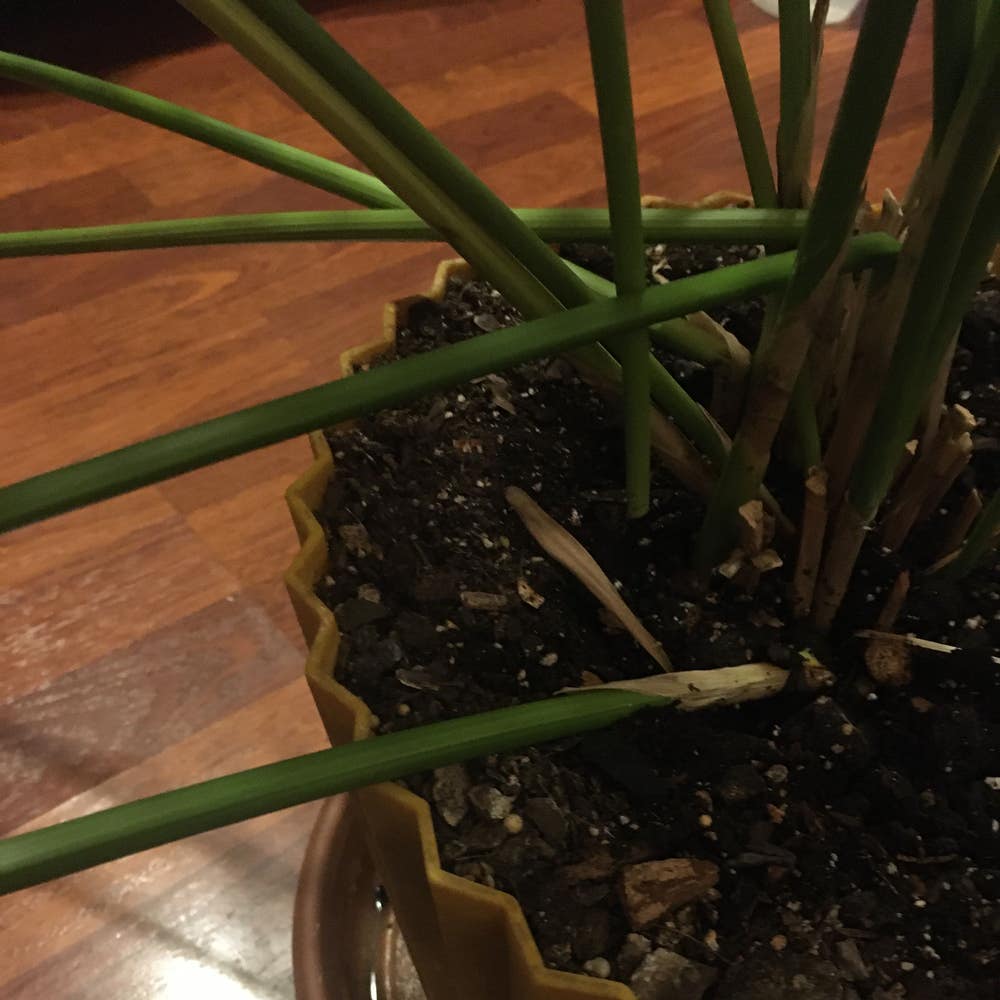
Creating the perfect indoor environment for your umbrella sedge is key to its success. Aim for bright, indirect sunlight, as this promotes optimal growth without overwhelming the plant.
Humidity is another crucial factor. Indoor air can often be dry, so consider using a humidifier or placing a tray of water nearby to maintain moisture levels.
When it comes to containers, choose pots with drainage holes to prevent waterlogging. Pair this with well-draining potting soil to ensure your plant thrives.
🌍 Outdoor Planting Considerations
Timing is everything for outdoor planting. The best times to plant your umbrella sedge are in spring or early fall, allowing it to establish roots before extreme weather sets in.
Don’t forget to consider your local climate. Seasonal variations can significantly impact growth, so be mindful of temperature and rainfall patterns in your area.
By understanding these indoor and outdoor planting practices, you can set your umbrella sedge up for a flourishing future. Next, let’s explore common location challenges that may arise during your planting journey.
Common Location Challenges
🌤️ Addressing Shade vs. Sun Exposure
Managing light conditions is crucial for your umbrella sedge. Start by selecting planting spots that maximize sunlight availability, ideally areas that receive at least 6-8 hours of direct sunlight daily.
If you find your plants are in too much shade, consider pruning surrounding vegetation. This simple step can significantly increase light access, promoting healthier growth.
🚰 Solutions for Poor Drainage Areas
Identifying areas prone to waterlogging is essential for successful planting. Look for signs like persistent puddles or soggy soil, which indicate poor drainage.
To improve drainage, incorporate organic matter into the soil. This enhances soil structure and promotes better water flow. Additionally, creating rain gardens can effectively manage excess water, providing a beautiful and functional solution for your landscape.
With these strategies, you can tackle common location challenges and ensure your umbrella sedge thrives. Next, let’s explore the best practices for indoor planting to keep your greenery flourishing year-round.
⚠️ Safety First
This content is for general information and may contain errors, omissions, or outdated details. It is not medical, veterinary advice, or an endorsement of therapeutic claims.
Always consult a qualified healthcare professional before using any plant as food, medicine, or supplement.
Never eat any plant (or feed one to pets) without confirming its identity with at least two trusted sources.
If you suspect poisoning, call Poison Control (800) 222-1222, the Pet Poison Helpline (800) 213-6680, or your local emergency service immediately.
Spotted an error? Please report it here.
Maximize your umbrella sedge's growth by planting it in the ideal spot with Greg's tailored tips for sunlight and moisture management! 🌞