☂️ Umbrella Sedge is Not an Invasive Plant
Cyperus alterniflorus
By the Greg Editorial Team
Sep 29, 2024•7 min read
This article was created with the help of AI so we can cover more plants for you. May contain errors. See one? Report it here.
- 🌱 Umbrella Sedge is non-invasive, promoting biodiversity with its clumping growth habit.
- 🐝 Attracts pollinators and provides habitat, enhancing local ecosystems in gardens.
- 🌿 Low maintenance and drought-tolerant, it thrives in various conditions, enriching landscapes.
Plant Classification
Definition of Invasive Plants 🌱
Invasive plants are notorious for their aggressive growth patterns. They often outcompete native flora, leading to negative ecological impacts that can disrupt local ecosystems.
Umbrella Sedge, however, stands apart from this invasive crowd. Its clumping nature and limited spread mean it doesn't pose a threat to native plants or ecosystems. Instead of sprawling uncontrollably, it forms dense tufts that contribute positively to garden environments.
Why Umbrella Sedge is Not Invasive 🌼
The growth habit of Umbrella Sedge is a key factor in its non-invasive status. Unlike many invasive species, it thrives in specific conditions, which naturally limits its spread.
This plant prefers to grow in clumps, creating a visually appealing structure without overwhelming its surroundings. Its ability to coexist with other plants makes it a valuable addition to any garden, promoting biodiversity rather than hindering it.
In summary, understanding the characteristics of invasive plants helps clarify why Umbrella Sedge is a safe and beneficial choice for gardeners. As we explore its growth habits further, you'll see how this plant enhances both aesthetics and ecology in your garden.
Growth Habits
Typical Growth Patterns in Gardens 🌱
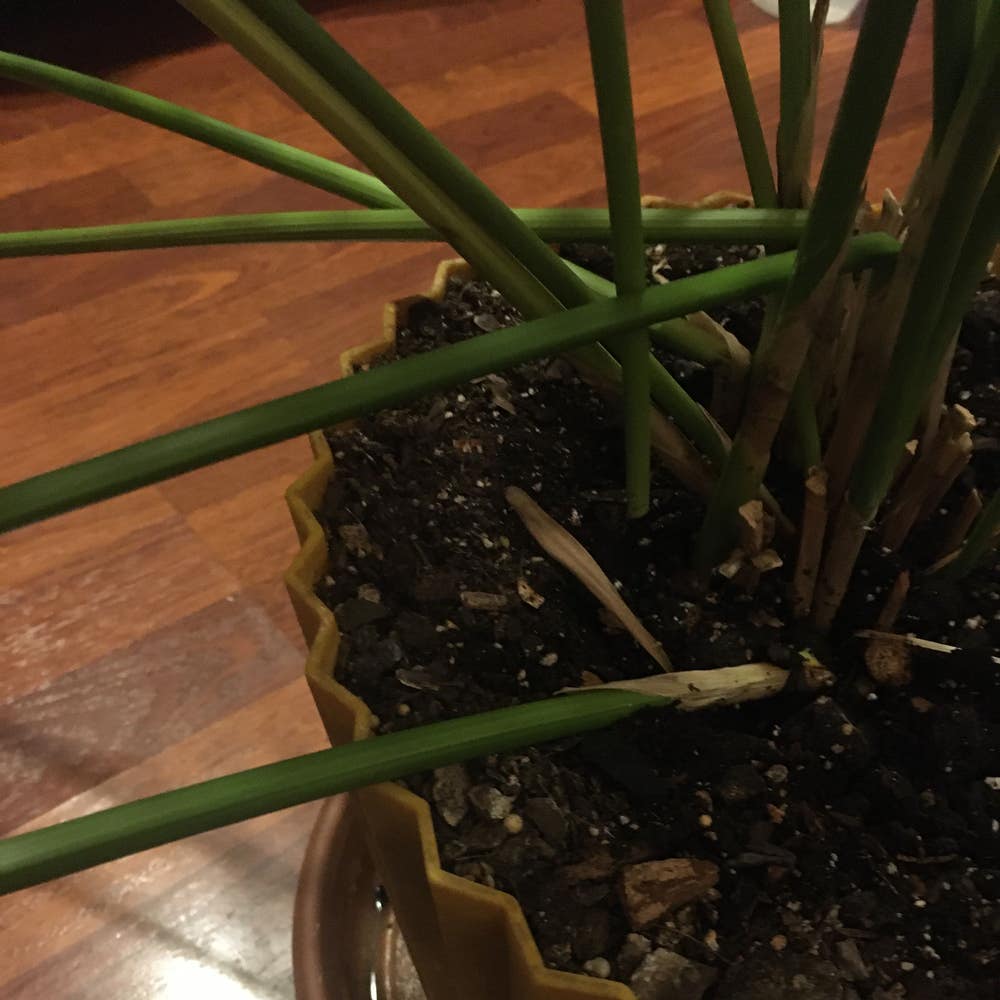
Umbrella Sedge exhibits a striking clumping growth habit, forming dense tufts that can reach heights of 2 to 3 feet. This unique structure not only adds vertical interest to gardens but also creates a lush, green backdrop.
The seasonal growth cycle of Umbrella Sedge is noteworthy. It flourishes in spring, producing distinctive umbrella-like flower clusters that bloom in late summer, adding visual appeal to any landscape.
Natural Limits to Growth and Spread Potential 🚧
Several factors limit the spread of Umbrella Sedge, primarily its specific soil moisture requirements. It thrives in wetlands and moist areas, where it competes effectively with other plants.
This plant's growth is naturally curtailed by its preference for rich, wet soils. In drier conditions, it struggles to establish itself, ensuring it remains a controlled presence in your garden.
Environmental Conditions for Optimal Growth ☀️
For optimal growth, Umbrella Sedge prefers rich, well-drained soils. This adaptability allows it to thrive in various garden settings, making it a versatile choice for many gardeners.
Light conditions also play a crucial role in its success. Umbrella Sedge can flourish in full sun or partial shade, providing flexibility in garden design.
Watering needs are minimal once established, as it is low maintenance and drought-tolerant. This resilience makes it an excellent option for gardeners seeking a hardy, attractive plant.
Incorporating Umbrella Sedge into your garden can enhance its beauty while requiring little effort. As we explore its ecological role next, you'll see how this plant contributes positively to local wildlife and the environment.
Ecological Role
🐝 Benefits to Local Wildlife
Umbrella Sedge plays a vital role in attracting pollinators like bees and butterflies. These creatures are essential for maintaining healthy ecosystems, and the sedge's flowers provide a reliable food source.
Additionally, Umbrella Sedge offers habitat for small wildlife, including birds and beneficial insects. Its dense growth creates safe spaces for these animals to thrive, contributing to a balanced garden ecosystem.
🌱 Positive Interactions with Other Plants
Companion planting with Umbrella Sedge enhances biodiversity and resilience in your garden. By coexisting with various plants, it fosters a more vibrant ecosystem.
Moreover, it helps create microhabitats within garden settings. These small environments support diverse species, promoting ecological health and stability.
🌍 Role in Soil Health and Erosion Control
The root systems of Umbrella Sedge contribute significantly to soil structure and health. They help aerate the soil and improve its nutrient content, benefiting surrounding plants.
In wetland areas, this sedge is particularly effective at controlling erosion. Its roots stabilize the soil, preventing runoff and maintaining the integrity of these vital ecosystems.
Incorporating Umbrella Sedge into your garden not only beautifies the space but also supports local wildlife and enhances soil health. This makes it a fantastic choice for environmentally conscious gardeners looking to make a positive impact.
Garden Management
Incorporating Umbrella Sedge into Garden Designs 🌿
Integrating Umbrella Sedge into your garden can elevate its aesthetic appeal. This versatile plant fits well in various styles, from modern landscapes to rustic gardens.
Consider placing Umbrella Sedge in clusters to create a striking visual impact. Pair it with companion plants like ferns or native wildflowers to enhance biodiversity and create a vibrant ecosystem.
Aesthetic Considerations and Growth Control Methods 🎨
Managing the growth of Umbrella Sedge is key to maintaining its visual charm. Space plants adequately to allow for their natural clumping habit, ensuring they have room to thrive without overcrowding.
To keep your Umbrella Sedge looking its best, employ techniques like selective pruning. Regularly trimming back excess growth helps maintain the desired size and shape, ensuring a tidy appearance.
Maintenance Tips for Healthy Growth 💧
A consistent watering schedule is essential for Umbrella Sedge. Aim to keep the soil moist but avoid overwatering, as this can lead to root rot.
When it comes to fertilization, opt for organic options to enhance nutrient levels. This approach supports healthy growth without introducing harmful chemicals.
Incorporate regular pruning and deadheading into your routine. These practices not only promote optimal health but also encourage more vigorous flowering, enhancing the plant's overall beauty.
With these tips, your Umbrella Sedge will flourish, adding both beauty and ecological benefits to your garden. Next, let’s explore how this plant compares to others in the landscape.
Comparison to Other Plants
🌱 Similar Non-Invasive Plants
When considering native sedge species, several stand out for their non-invasive characteristics. Species like Carex pensylvanica and Carex stricta offer similar clumping growth habits and thrive in comparable environments.
These sedges not only share aesthetic qualities, such as lush green foliage, but also play vital ecological roles. They support local wildlife and contribute to soil health, making them excellent companions in garden designs.
🌼 Unique Qualities of Umbrella Sedge
Umbrella Sedge is particularly notable for its distinctive umbrella-like flower clusters. These unique blooms not only add visual interest but also attract a variety of pollinators.
Its adaptability is another standout feature. Umbrella Sedge can thrive in diverse garden conditions, from full sun to partial shade, making it a versatile choice for many landscapes.
🌿 Benefits of Choosing Umbrella Sedge Over Other Species
Opting for Umbrella Sedge brings numerous advantages. Its low maintenance requirements mean less time spent on upkeep, allowing you to enjoy your garden more.
Moreover, its ecological benefits, such as supporting local wildlife and enhancing biodiversity, make it a responsible choice. In the long run, Umbrella Sedge contributes to sustainable garden design, ensuring a thriving ecosystem.
⚖️ Legal and Environmental Considerations
Incorporating native plants like Umbrella Sedge is crucial for sustainable gardening. These plants help maintain local biodiversity and promote ecosystem health.
By choosing native species, you mitigate the risks associated with non-native plants, which can disrupt local habitats. This choice fosters a more balanced environment, benefiting both your garden and the surrounding ecosystem.
♻️ Sustainable Gardening Practices
Using native plants like Umbrella Sedge is essential for sustainable gardening. They require fewer resources and support local wildlife, enhancing the overall health of your garden.
Biodiversity thrives when native plants are included, creating a resilient ecosystem. This approach not only beautifies your space but also contributes positively to the environment.
🌍 Environmental Impact of Planting Umbrella Sedge
Planting Umbrella Sedge has significant positive impacts on local ecosystems. It provides essential habitat for wildlife and helps stabilize soil, reducing erosion.
Additionally, it counters the negative effects of non-native species, promoting a healthier landscape. This makes Umbrella Sedge a valuable addition to any garden.
📋 Guidelines for Responsible Gardening
To ensure successful planting and maintenance of Umbrella Sedge, follow best practices. Start by selecting the right location with adequate moisture and light conditions.
Resources are available for gardeners eager to learn about native plant gardening. Engaging with these materials can deepen your understanding and enhance your gardening experience.
⚠️ Safety First
This content is for general information and may contain errors, omissions, or outdated details. It is not medical, veterinary advice, or an endorsement of therapeutic claims.
Always consult a qualified healthcare professional before using any plant as food, medicine, or supplement.
Never eat any plant (or feed one to pets) without confirming its identity with at least two trusted sources.
If you suspect poisoning, call Poison Control (800) 222-1222, the Pet Poison Helpline (800) 213-6680, or your local emergency service immediately.
Spotted an error? Please report it here.
Transform your garden with Umbrella Sedge 🌿 for stunning beauty and local wildlife support, and let Greg guide you with tailored care tips to ensure it thrives effortlessly!