Choosing the Best Pot for Your Umbrella Sedge 🪴
Cyperus alterniflorus
By the Greg Editorial Team
Sep 29, 2024•6 min read
This article was created with the help of AI so we can cover more plants for you. May contain errors. See one? Report it here.
- 🌱 Start seedlings in 4-6 inch pots for optimal root development.
- 🪴 Mature plants thrive in 10-14 inch pots; repot every 1-2 years.
- 💧 Ensure proper drainage with holes to prevent root rot and maintain moisture.
Pot Sizes for Different Growth Stages
🌱 Recommended Sizes for Seedlings
Starting your Umbrella Sedge in the right pot size is crucial. An ideal container size is between 4 to 6 inches in diameter, which encourages healthy root development.
Using smaller pots allows the roots to establish themselves before they face the challenge of a larger space. This initial focus on root growth sets the foundation for a thriving plant.
🌳 Ideal Sizes for Mature Plants
As your Umbrella Sedge matures, it will need more room to grow. For mature plants, a pot size of 10 to 14 inches in diameter is recommended.
If you have larger varieties, consider pots that are up to 18 inches in diameter. This extra space accommodates their expansive root systems and promotes overall health.
📏 Signs Indicating a Need for a Larger Pot
Keeping an eye on your plant's growth can help you determine when it's time to repot. One clear sign is when roots start emerging from the drainage holes.
Additionally, if you notice stunted growth or yellowing leaves, these could be indicators that your plant is outgrowing its current pot. Addressing these signs promptly will help maintain your Umbrella Sedge's vitality.
With a solid understanding of pot sizes for different growth stages, you can ensure your Umbrella Sedge thrives. Next, let’s explore the ideal pot materials that will further enhance its growth.
Ideal Pot Materials
🌱 Benefits of Clay Pots
Clay pots are a fantastic choice for your Umbrella Sedge. Their natural porosity and breathability promote healthy root systems, allowing for better air circulation and moisture control.
Additionally, clay pots add an aesthetic appeal to your landscaping. Their earthy tones and textures blend beautifully with outdoor settings, enhancing the overall look of your garden.
🪴 Advantages of Plastic Pots
Plastic pots are lightweight and easy to move, making them a practical option for gardeners. They come in various sizes and are often more cost-effective than other materials.
This versatility allows you to experiment with different pot sizes without breaking the bank. Plus, their durability means they can withstand the elements, making them a reliable choice.
🏺 Comparison of Other Materials
Ceramic pots offer aesthetic benefits but come with drawbacks. They tend to be heavier and less breathable, which can hinder root health.
On the other hand, metal pots can pose challenges for moisture-loving plants like Umbrella Sedge. They risk overheating, which can stress the plant and lead to poor growth.
Choosing the right pot material is crucial for your plant's health. Consider your specific needs and the environment to make the best choice for your Umbrella Sedge.
With the right pot material selected, you can ensure your plant thrives beautifully. Next, let’s explore the essential drainage considerations for your pots.
Drainage Considerations
🌧️ Importance of Drainage Holes
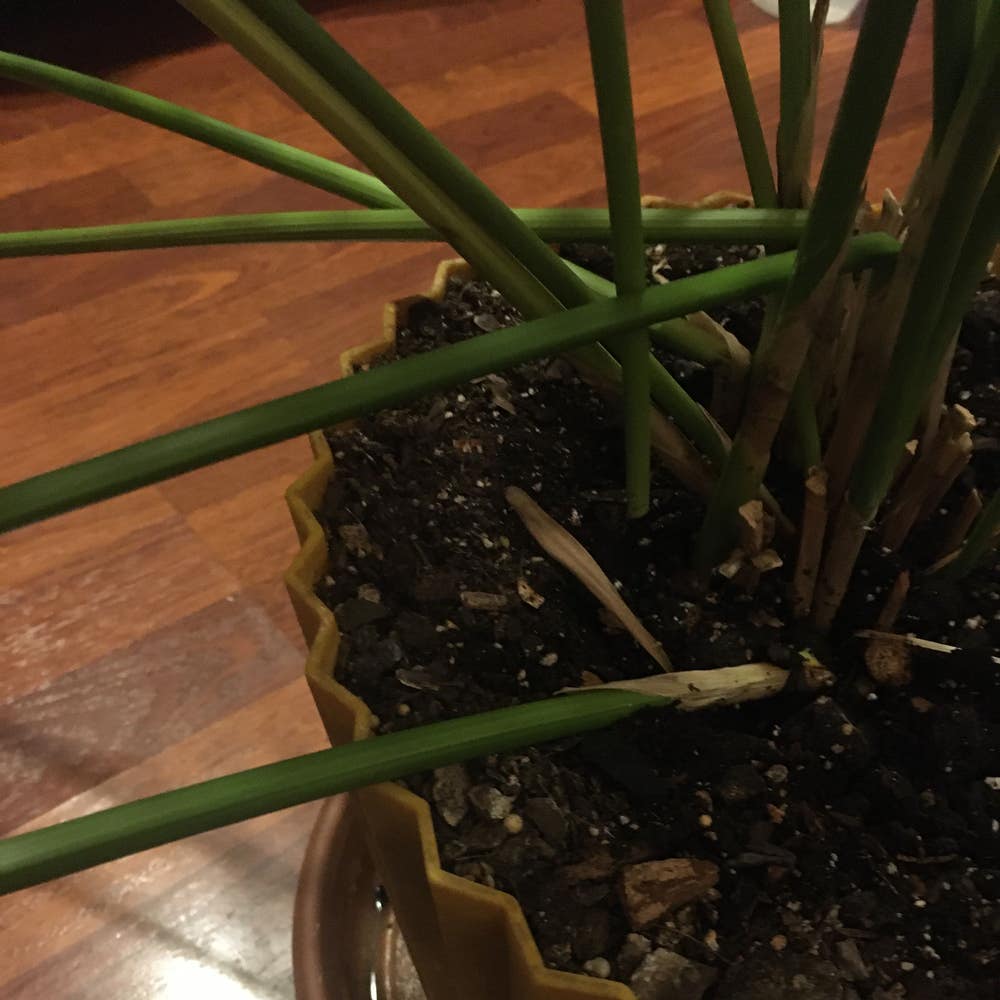
Drainage holes are essential for preventing root rot in your Umbrella Sedge. They allow excess water to escape, ensuring that the roots don't sit in soggy soil.
For optimal moisture control, aim for at least three to five drainage holes, each about 1/4 inch in diameter. This setup helps maintain a healthy balance of moisture without drowning your plant.
🚰 Ensuring Proper Drainage in Pots
To enhance drainage, consider using gravel at the bottom of your pot or mixing perlite into your potting soil. These techniques improve airflow and prevent water from pooling.
Additionally, elevating your pots can make a significant difference. By raising them slightly, you allow excess water to escape more easily, promoting healthier root systems.
⚠️ Common Drainage Issues and Solutions
Watch for signs of poor drainage, such as water pooling on the surface or yellowing leaves. These indicators suggest that your plant may be struggling with excess moisture.
If you encounter these issues, consider repotting with better-draining materials or adjusting your watering habits. A little attention can go a long way in keeping your Umbrella Sedge thriving.
With proper drainage in place, your plant will flourish, setting the stage for a successful repotting experience. Next, let’s explore when and how to repot your Umbrella Sedge effectively.
Repotting Umbrella Sedge
🕒 When to Repot
Recognizing when to repot your Umbrella Sedge is crucial for its health. Look for signs like root-bound conditions, where roots start to circle around the pot, or seasonal growth patterns indicating it's time for a new home.
For mature plants, aim to repot every 1-2 years. This keeps them thriving and ensures they have enough space to grow.
🛠️ Step-by-Step Guide to Repotting
- Prepare the New Pot: Ensure it has drainage holes and fill it with an appropriate soil mix.
- Remove the Plant: Gently take the Umbrella Sedge out of its old pot, being careful not to damage the roots.
- Inspect the Roots: Check for any damage and trim away any unhealthy sections.
- Replant: Place the Sedge in the new pot, ensuring it sits at the right depth and has enough space around it.
- Water Thoroughly: After repotting, give it a good drink and monitor for settling.
🪴 Choosing the Right Pot During Repotting
When selecting a pot, consider size, material, and drainage capabilities. A pot that accommodates future growth is essential for long-term health.
Choosing the right pot can make all the difference in your plant's vitality. Keep these factors in mind to ensure your Umbrella Sedge continues to flourish.
As you prepare to repot, remember that the right conditions can lead to vibrant growth. Next, let’s explore common mistakes in pot selection to avoid pitfalls in your gardening journey.
Common Mistakes in Pot Selection
🏺 Overpotting vs. Underpotting
Overpotting can be a sneaky trap for many plant enthusiasts. When you choose a pot that's too large, it retains excess moisture, leading to root rot—a fate no Umbrella Sedge deserves.
On the flip side, underpotting can stunt growth and cause nutrient deficiencies. If the roots are cramped, your plant won't thrive, and you'll be left wondering why it’s not flourishing.
🚰 Ignoring Drainage Needs
Many people underestimate the importance of drainage holes. Some believe that pots without drainage can work just fine, but this misconception can lead to serious issues.
Proper drainage is crucial for maintaining the health of your Umbrella Sedge. Without it, water can pool, suffocating the roots and inviting diseases.
🧱 Choosing Inappropriate Materials
Selecting the wrong pot materials can be detrimental to your plant's health. Non-breathable materials can trap moisture, creating an environment ripe for root problems.
It's essential to choose pots that align with the moisture requirements of your Umbrella Sedge. A breathable pot allows for air circulation, promoting a robust root system and overall plant vitality.
Understanding these common mistakes can help you make informed choices for your Umbrella Sedge. Next, let’s dive into the ideal pot materials that will enhance your plant's growth and aesthetic appeal.
⚠️ Safety First
This content is for general information and may contain errors, omissions, or outdated details. It is not medical, veterinary advice, or an endorsement of therapeutic claims.
Always consult a qualified healthcare professional before using any plant as food, medicine, or supplement.
Never eat any plant (or feed one to pets) without confirming its identity with at least two trusted sources.
If you suspect poisoning, call Poison Control (800) 222-1222, the Pet Poison Helpline (800) 213-6680, or your local emergency service immediately.
Spotted an error? Please report it here.
Choose the perfect pot for your Umbrella Sedge 🌿 and let Greg guide you with tailored reminders and tips to keep your plant thriving in its ideal environment!