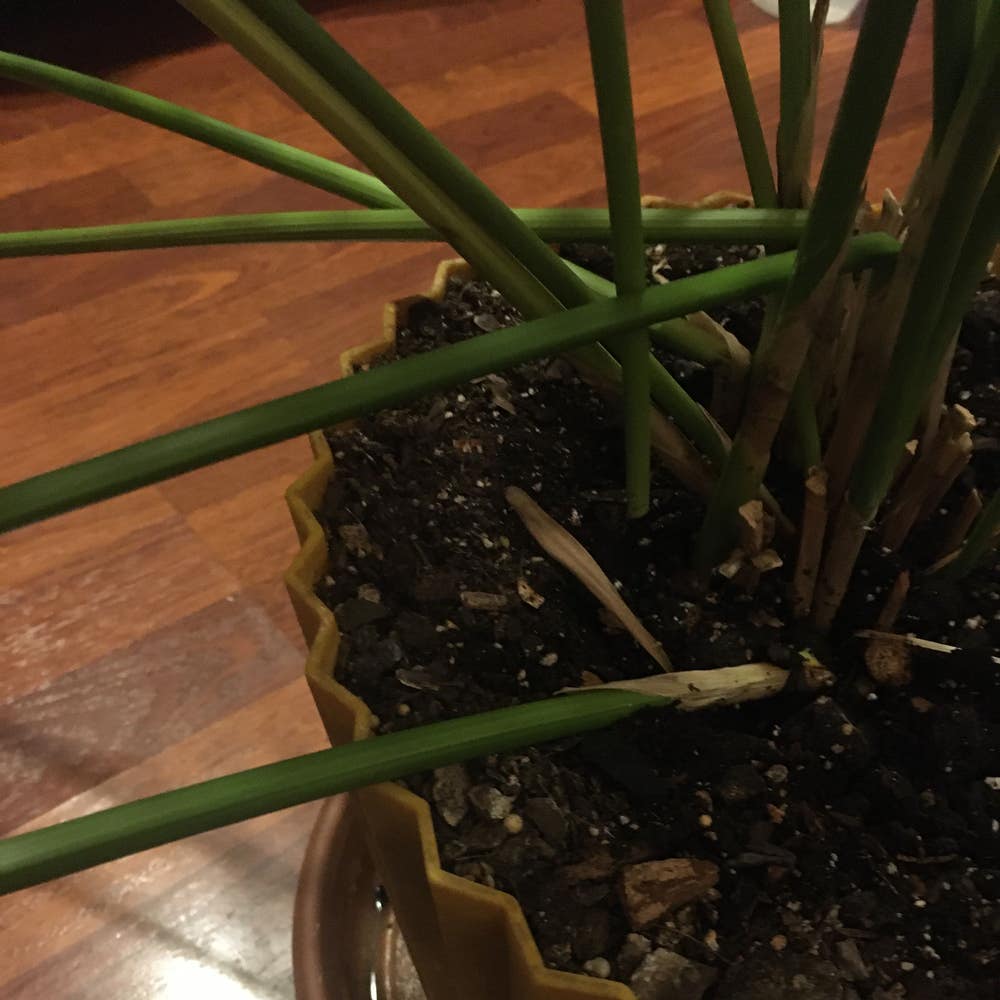
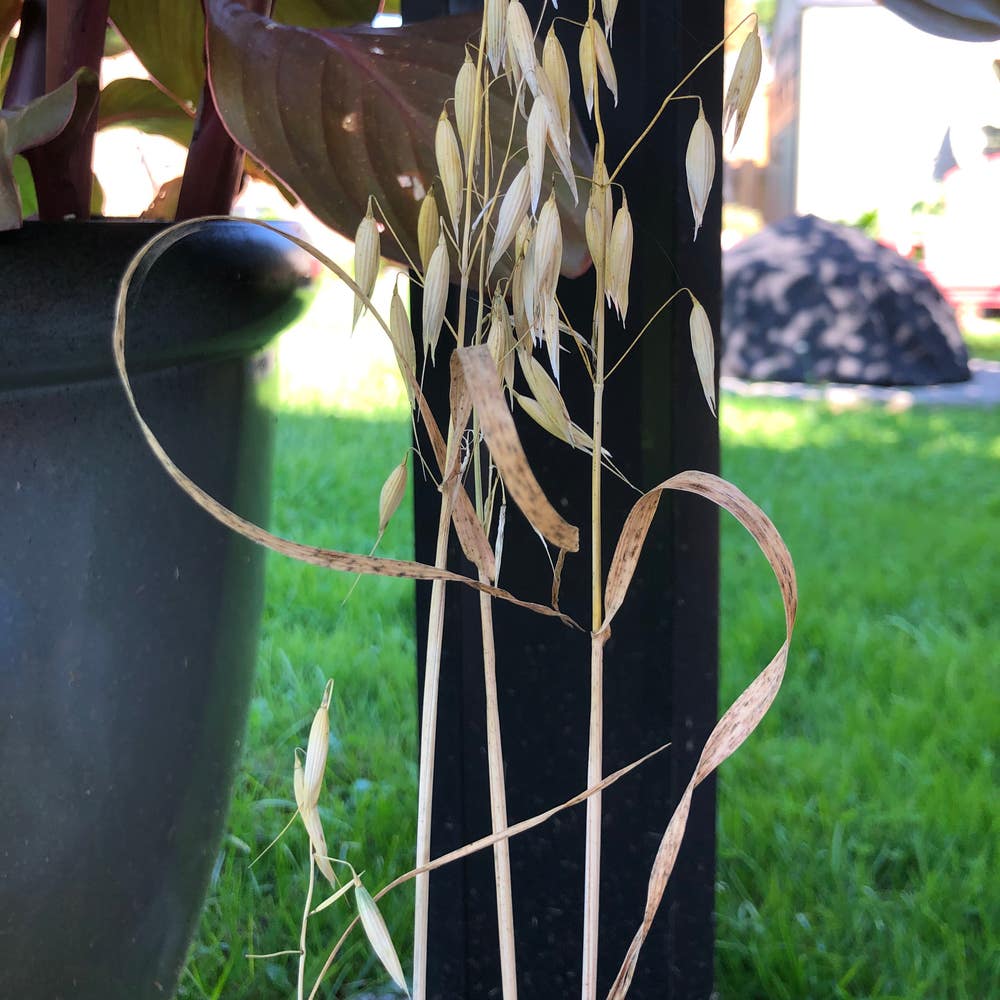
Why Are There Brown Spots on My Cyperus alterniflorus?
Cyperus alterniflorus
By the Greg Editorial Team
Jun 18, 2024•5 min read
This article was created with the help of AI so we can cover more plants for you. May contain errors. See one? Report it here.
- Brown spots signal issues like over/underwatering, sun exposure, or pests.
- Fungal infections? Improve airflow and use fungicides.
- Prune and monitor for health and to prevent disease spread.
Spotting the Trouble: Identifying Brown Spots
🕵️♂️ Visual Symptoms
Brown spots on your Cyperus alterniflorus can be a real mood-killer. They might show up as tiny specks or evolve into larger, more ominous blotches. Their appearance can range from water-soaked to dry and crispy, each hinting at different underlying issues. Location is also a telltale sign; whether they're taking center stage on the leaf or skulking around the edges can point you to the cause.
💪 Immediate Response
When these unwelcome visitors appear, it's time to channel your inner detective. Get hands-on and gently probe the spots. Soft and squishy? Overwatering might be your nemesis. Crispy to the touch? Your plant could be throwing a silent tantrum about too much sun. Bumpy and rough? Unwelcome fungal gatecrashers could be to blame. Once you've assessed the situation, it's time to spring into action—prune affected areas and adjust environmental conditions to stop the spread. Keep an eagle eye on new growth; it's the green light that you're winning the battle.

Water Woes: Over and Underwatering
🚰 Signs of Overwatering
Brown, mushy leaves and a pot that feels like a kettlebell are classic signs you've been a bit too generous with the H2O. If your plant's base is soft and collapsing like a bad soufflé, you've got a case of root rot on your hands. And let's not forget the moldy soil—it's the unwanted guest that screams overwatering.
🏜️ Signs of Underwatering
On the flip side, if your plant's leaves are as crisp as autumn leaves and the tips are browning like toast, it's begging for water. Wilting stems that droop like they've given up on life itself are a clear SOS. And if the soil is so dry it's practically dust, you've swung too far into the desert zone.
Fine-Tuning Your Watering Routine
To avoid turning your plant's life into a sad country song, check the soil moisture before you water—think of it as a plant's version of a lie detector test. If it sticks to your finger, it's a no-go. If it's drier than a stand-up comedian's wit, it's time to quench that thirst. And remember, the right pot size isn't just a suggestion; it's a rule. A snug home ensures your plant won't drown in excess moisture. Keep the water room-temperature—because no one likes a cold shower, not even your plants.

Fungal Foes and How to Fight Them
🍄 Common Culprits
Fungal infections are the cloak-and-dagger villains of the plant world, often leaving brown spots as their calling card. High humidity and poor air circulation invite these troublemakers. Look for spots with a colorful halo—this is the fungi's graffiti on your plant's leaves.
🌿 Fungicide to the Rescue
When you spot these fungal signatures, it's time for fungicide. Read the label carefully; it's your instruction manual for plant salvation. For early-stage infections, consider a DIY mix of baking soda and soap. If the fungi are throwing a full-blown party, bring out the heavy artillery: copper fungicides. Remember, the goal is to change the conditions that welcomed the fungi, not just to evict the current squatters. Ensure good air circulation and manage watering to keep your plant's leaves from becoming a fungal hotspot.

Battling Brown Spots from Bugs
🐞 Pests that Pack a Punch
Brown spots on your Cyperus alterniflorus can sometimes be traced back to tiny, sap-sucking pests. Spider mites, aphids, and scale insects are the usual suspects. They're like the vandals of the plant world, leaving a trail of destruction and sticky honeydew, which can lead to sooty mold. Inspect the undersides of leaves and look for webbing or tiny bugs themselves.
🌿 Natural and Chemical Defenses
Natural predators are your first line of defense. Ladybugs and lacewings are like the secret service of your garden, taking out pests with precision. Encouraging these beneficial insects means less work for you and no chemicals. But when the pest population is booming, it's time to bring out the big guns: insecticidal soaps and neem oil. They're the bouncers, ensuring pests get the message loud and clear. Remember, always follow the label directions—this isn't a 'more is better' situation.
Regular showers for your plant can also help dislodge the critters. Think of it as a spa day that doubles as pest control. And if you're dealing with a full-blown infestation, consider a miticide for spider mites or specific treatments for other identified pests. It's like targeted therapy for your plant's pest problem.
Adopt Integrated Pest Management (IPM) strategies. Combine cultural, biological, and chemical controls for a tailored defense. It's a multifaceted approach, ensuring your Cyperus alterniflorus stays as healthy and spot-free as possible. Keep an eye out for early signs of trouble, and act swiftly—pests are less of a headache when caught early.
Healing and Preventing: Treatment and Prevention
🌱 Pruning and Care for Recovery
Pruning isn't just a cosmetic fix—it's triage for your Cyperus alterniflorus. Snip off the brown-spotted leaves with sterilized scissors to prevent the spread of any potential disease. It's like cutting out the noise to hear the music again.
Keep your plant's environment spick-and-span; cleanliness is next to plant godliness. Regularly clean your tools to avoid introducing new pathogens to your plant's wounds.
🛡️ Long-Term Prevention Strategies
To keep brown spots from staging a comeback, monitor your Cyperus alterniflorus like a hawk. New growth is a sign of recovery, but stay alert. If brown spots reappear, it's time to reassess your plant care strategy—something's amiss.
Water wisely—at the base, to keep leaves dry and uninviting to fungal party crashers. Make sure the soil dries out between waterings to avoid root rot, a notorious brown spot accomplice.
Keep an eye on the airflow around your plant. Good circulation is like a breath of fresh air for your Cyperus alterniflorus, helping to keep those pesky brown spots at bay.
Lastly, embrace the long game. Regular check-ups and seasonal care adjustments are your plant's personal bodyguards against brown spots. Keep your plant happy, and you'll both sleep better at night.
⚠️ Safety First
This content is for general information and may contain errors, omissions, or outdated details. It is not medical, veterinary advice, or an endorsement of therapeutic claims.
Always consult a qualified healthcare professional before using any plant as food, medicine, or supplement.
Never eat any plant (or feed one to pets) without confirming its identity with at least two trusted sources.
If you suspect poisoning, call Poison Control (800) 222-1222, the Pet Poison Helpline (800) 213-6680, or your local emergency service immediately.
Spotted an error? Please report it here.
Banish those pesky brown spots on your Cyperus alterniflorus by following Greg's custom care plan 🛡️, which includes watering reminders and pest management tips for pristine plant health!