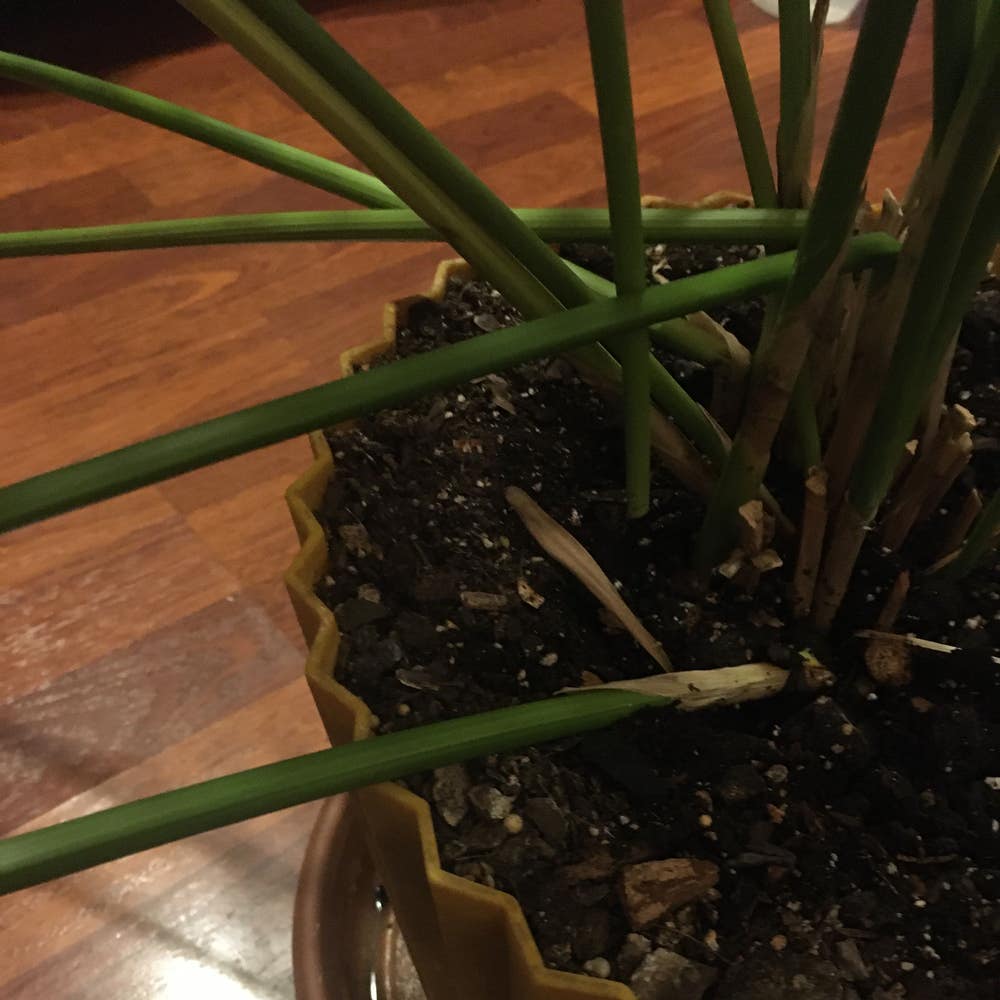
Why Are My Cyperus alterniflorus Leaves Droopy?
Cyperus alterniflorus
By the Greg Editorial Team
Jun 18, 2024•5 min read
This article was created with the help of AI so we can cover more plants for you. May contain errors. See one? Report it here.
- Persistent droopiness signals care issues, not just rest periods.
- Over/underwatering and soil problems cause most droopiness.
- Adjust water, light, temperature, and soil to prevent droopy leaves.
Spotting the Signs of Droopiness
Identifying droopy leaves in Cyperus alterniflorus is more than just noticing a sad, downward swoop. It's about spotting the subtle cry for help before your plant writes its own swan song.
⛅️ When It's Just a Phase
Sometimes, a bit of droop is just your plant's way of being dramatic about a cloudy day. Normal droopiness can occur during periods of low light or at night when the plant is resting. Don't sound the alarms just yet.
⛑️ When It's a Cry for Help
On the flip side, if your Cyperus alterniflorus keeps its leaves hanging low like a teenager's jeans, it's time to play detective. Persistent droopiness is the plant's equivalent of sending out an SOS.
Look for the Unusual
Leaves that stay droopy, resembling a limp handshake, are a no-go. If they're more wilted than a salad forgotten in the fridge, you've got a problem. Check for soil dryness or sogginess—these are the usual suspects.
It's Not Just About Water
Don't get tunnel vision on hydration; your plant's environment is a whole ecosystem. Light and temperature also play lead roles in this drama. Too much sun and your plant's leaves might throw in the towel, while too little light can leave them stretching out like they're trying to catch the last rays of a sunset.
The Silent Killers
Keep an eye out for the less obvious signs of distress. Yellowing, brown tips, or a general lack of vigor are like the plant's version of posting a vague, melancholy status online—it's saying something's wrong without spelling it out. And don't forget to check under the leaves; pests love a good game of hide-and-seek.
The Takeaway
Remember, droopy leaves are a symptom, not a diagnosis. It's your cue to start a full-blown investigation into the care of your Cyperus alterniflorus. Stay vigilant, and you might just catch the issue before your plant decides to throw in the towel for good.

Unearthing the Causes of Droopy Leaves
Droopy leaves in your Cyperus alterniflorus can be a real head-scratcher. Let's get to the root of the problem.
💧 Water Woes
🌊 Overwatering
Overwatering is like giving your plant floaties when it doesn't even want to swim. Leaves turn into soggy, limp handshakes, and the soil feels like a wet sponge. The fix? Ease up on the H2O and let the soil go from swampy to slightly moist.
🏜️ Underwatering
On the flip side, underwatering leaves your plant gasping for a drink. If the soil is as dry as a stand-up comedian's wit and the pot feels lighter than your bank account after the holidays, it's time to up the watering game. Hydrate with a gentle pour, and watch for those leaves to perk up.
🌞 Light and Temperature Tangles
💡 Light Exposure
Finding the light sweet spot is key. Too much sun and your plant's leaves droop like they're melting. Aim for bright, indirect light—think of it as a cozy spot away from the harsh glare of reality.
🌡️ Temperature
Temperature swings are the enemy of consistency. Keep your plant in a room that doesn't fluctuate more than a politician's promises. Steady temperatures mean happy leaves.
🌱 Soil Struggles
🚰 Drainage Dilemma
Waterlogged soil is a silent killer. Make sure your potting mix drains faster than a bathtub. If it doesn't, consider a switch-up to avoid root rot, the plant equivalent of trench foot.
🍃 Compacted Soil
Compacted soil is like tight jeans after Thanksgiving dinner—it's uncomfortable and nothing can breathe. Loosen up the soil to let those roots stretch out and soak up the good stuff. Aerate to invigorate.

Turning the Tide: Solutions for Droopy Leaves
💧 Fine-Tuning Watering Practices
Overwatering can turn your plant's roots into a mushy mess. To recover:
- Stop watering and let the soil dry.
- Elevate the pot to avoid water pooling.
- Once dry, resume watering with a less-is-more approach.
Underwatering leaves your Cyperus alterniflorus gasping. Here's the fix:
- Check the soil's dryness before watering.
- When the topsoil feels dry, water deeply.
- Maintain a consistent watering schedule, adjusting for seasonal changes.
🌞 Light and Temperature Tweaks
Light is crucial but can be a double-edged sword. To optimize:
- Find a spot with medium to bright filtered light.
- Avoid direct afternoon sun to prevent a sunburnt plant.
Temperature matters more than you think. Keep it cool by:
- Placing your plant in an area away from heat sources.
- Ensuring the room stays within a comfortable 60-75°F range.
🌱 Soil Solutions
Drainage is key to avoiding waterlogged soil. Improve it by:
- Mixing in perlite or sand to enhance soil structure.
- Using pots with drainage holes to let excess water escape.
Compacted soil is a no-go for healthy roots. Loosen it up by:
- Gently aerating the soil with a fork, being careful around roots.
- Repotting with fresh, well-draining soil if necessary.

Keeping Leaves Lively: Prevention Strategies
💧 Crafting the Perfect Watering Schedule
Watering is crucial. Too much, and your Cyperus alterniflorus will drown; too little, and it'll dehydrate. It's about finding that sweet spot. Morning is prime time for watering—allows leaves to dry out and avoid fungal shindigs. Adjust with the seasons; plants aren't static, and neither should your watering be.
🌞 Monitoring and Adjusting Light and Temperature Conditions
Light and temperature are your plant's frenemies. They're needed, but get them wrong, and your plant will sulk. Find a spot with bright, indirect light and keep the temperature consistent. Think of it as setting the mood—too hot or too cold, and the vibe's off.
🌱 Regular Soil Checks and Maintenance Tips
Soil is the unsung hero. Check it regularly for moisture and compactness. Aerate if it's too tight, and ensure it's well-draining to prevent waterlogged roots. It's like giving your plant a comfortable bed—if it's lumpy or soggy, no one's happy.
⚠️ Safety First
This content is for general information and may contain errors, omissions, or outdated details. It is not medical, veterinary advice, or an endorsement of therapeutic claims.
Always consult a qualified healthcare professional before using any plant as food, medicine, or supplement.
Never eat any plant (or feed one to pets) without confirming its identity with at least two trusted sources.
If you suspect poisoning, call Poison Control (800) 222-1222, the Pet Poison Helpline (800) 213-6680, or your local emergency service immediately.
Spotted an error? Please report it here.
Revive your Cyperus alterniflorus from droopy 🌱 to vibrant with Greg's tailored care plan, ensuring the perfect balance of water, light, and warmth!