Propagating Cyperus alterniflorus: The Ultimate Guide
Cyperus alterniflorus
By the Greg Editorial Team
Jun 18, 2024•5 min read
This article was created with the help of AI so we can cover more plants for you. May contain errors. See one? Report it here.
- Division needed when roots visible or plant overcrowded.
- Rhizome cuttings thrive in well-draining soil with moisture and light.
- Seed propagation: Use fresh seeds, light mix, and maintain warmth.
Getting Started with Division
🌱 When to Divide Your Plant
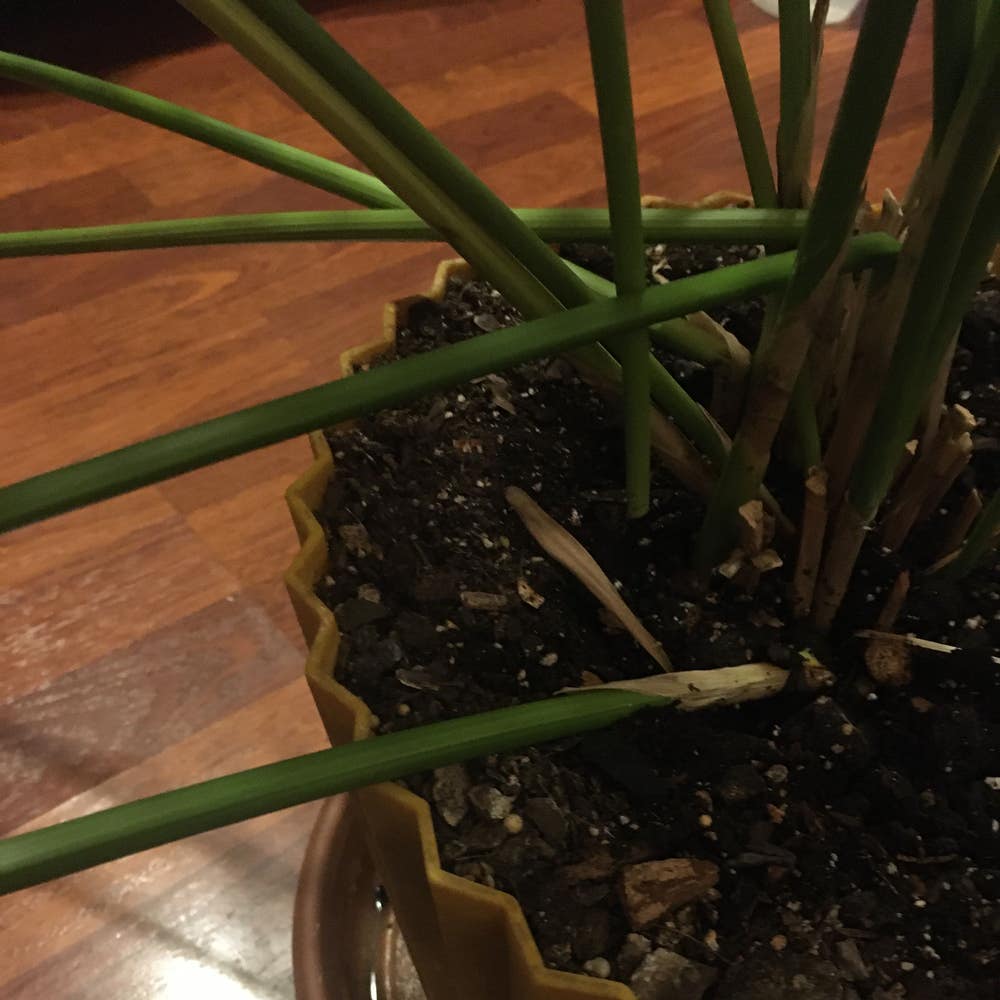
Roots peeking through drainage holes or a pot that's cracking under pressure? It's division time for your Cyperus alterniflorus. Look out for overcrowded pups or a top-heavy plant that's more drama queen than green queen.
🛠 The Division Process Step-by-Step
Gloves on. Gently coax your plant out of its pot and shake off the excess soil. Spot a section with a good amount of roots and shoots? That's your golden ticket. Sharp tools at the ready—divide with precision.
🌱 Aftercare for Divided Plants
Newly divided? They're vulnerable. Peat-based potting mix is your best friend here. Water well, but don't drown them in your enthusiasm. A spot with bright, indirect light will be their happy place as they strike out on their own.

Rooting Success with Rhizome Cuttings
🌱 Preparing Your Cuttings
To kickstart propagation, select healthy rhizomes with at least one growth point. Use sharp, clean shears to avoid damaging the plant tissue. Remember, cleanliness is next to godliness here; it prevents infection. Strip the lower half of the cutting of any leaves to minimize moisture loss and save space.
🌿 Planting Your Rhizome Cuttings
Now, it's showtime for the cuttings. Plant them in a well-draining mix, just like tucking them into bed. Moisten the soil to the consistency of that perfectly wrung-out sponge. If you're feeling fancy, dip the cut end into rooting hormone to give it that extra oomph.
💧 Caring for Rhizome Cuttings
Consistent moisture is your backstage hero, so keep the soil damp but not waterlogged. Bright, indirect light is the sweet spot—think of it as the cuttings' preferred climate. Be patient; roots don't grow overnight. If you're checking every hour, you're just being a helicopter plant parent.

Sowing the Future: Seed Propagation
🌱 Collecting and Preparing Seeds
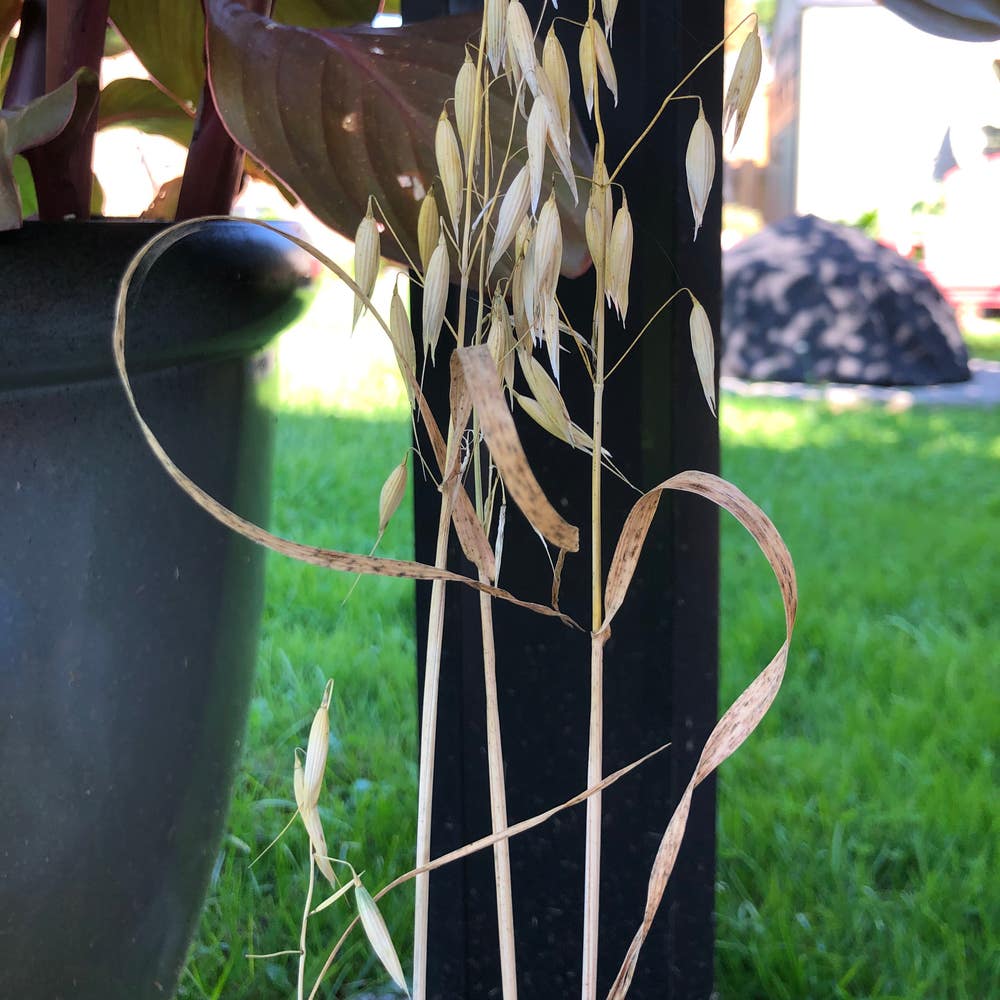
Harvesting Cyperus alterniflorus seeds is a bit like playing botanical detective. Look for the telltale signs of seed readiness: flowers that have bid adieu to their prime. Once you've got your seed pods, it's decision time. Dry them if you're not sowing immediately, or keep them fresh if you're diving straight into propagation. Remember, these seeds aren't wine; they don't age well. Use them within six months, or they might ghost you by not germinating.
🌱 Sowing and Germinating Seeds
Now, let's get down to the nitty-gritty of sowing. Think of your seed-starting mix as the ultimate cradle for your future plants. It should be light, it should be fluffy, and above all, it should be moist. But not 'just-fell-into-a-puddle' moist. We're aiming for a 'morning-dew-on-a-spider-web' kind of vibe. Warmth is your new best friend here; it's the secret sauce to wake those seeds from their slumber. And patience? That's not just a virtue; it's a requirement. Germination is a waiting game, and there's no rushing Mother Nature.

Creating the Perfect Propagation Environment
💡 Light, Temperature, and Humidity
In the quest for propagation excellence, light, temperature, and humidity are your trinity. Bright, indirect light nurtures without scorching delicate new growth. Temperature-wise, think of a cozy spring day—75° to 80°F is the sweet spot for Cyperus alterniflorus cuttings. Humidity is the silent partner, keeping things moist without turning your propagation station into a rainforest. Use a hygrometer to monitor levels and adjust accordingly.
🚰 Watering and Fertilization
Watering is a delicate dance—aim for moist, but never soggy, soil. Overenthusiastic watering invites root rot to the party, and nobody wants that. When it comes to fertilization, patience is a virtue. Let the roots establish before introducing a balanced, soluble fertilizer. This isn't a buffet; it's a carefully curated meal for your young plants.
🛡️ Pest and Disease Management
Pests and diseases are like gatecrashers—unwanted and persistent. Regular inspections are your bouncer, spotting trouble before it spreads. If pests do sneak in, quarantine and treat the affected plants immediately. Airflow is your unsung hero, keeping fungal foes at bay. Remember, a clean and well-ventilated environment is less inviting to plant pathogens.
Overcoming Propagation Pitfalls
🌱 Common Propagation Problems
In the realm of Cyperus alterniflorus propagation, issues can sprout like weeds. Yellowing leaves or stunted growth are your plant's cry for help. Fungal infections, such as gray mold or powdery mildew, can swiftly turn your propagation dreams into nightmares. Combat these with good airflow and precise fungicide application. Overwatering is a common misstep leading to root rot; keep the soil moist but not soggy.
🌿 Advanced Tips for Troubled Plants
When your green thumb is tested, remember: prevention is key. Use clean tools to avoid spreading diseases and inspect your cuttings for health issues before you start. If pests like aphids or spider mites crash your party, show them the door with insecticidal soap. And if your plant's SOS signals include wilting or leaf browning, reassess your light and humidity levels. Sometimes, despite your best efforts, a cutting may flop. Don't despair—learn, adjust, and try again.
⚠️ Safety First
This content is for general information and may contain errors, omissions, or outdated details. It is not medical, veterinary advice, or an endorsement of therapeutic claims.
Always consult a qualified healthcare professional before using any plant as food, medicine, or supplement.
Never eat any plant (or feed one to pets) without confirming its identity with at least two trusted sources.
If you suspect poisoning, call Poison Control (800) 222-1222, the Pet Poison Helpline (800) 213-6680, or your local emergency service immediately.
Spotted an error? Please report it here.
Avoid propagation pitfalls 🌿 with Greg's custom reminders for watering, light, and pest control, ensuring your Cyperus alterniflorus divisions flourish.