Why Are My Cyperus alterniflorus Leaves Dropping?
Cyperus alterniflorus
By the Greg Editorial Team
Jun 18, 2024•4 min read
This article was created with the help of AI so we can cover more plants for you. May contain errors. See one? Report it here.
- Overwatering? Let soil dry out before re-watering; mix in perlite for drainage.
- Underwatering signs are wilting leaves; water when top inches of soil are dry.
- Stable environment with indirect light and consistent temperature aids recovery.
When Water Gets Tricky: Balancing Moisture for Cyperus alterniflorus
🌊 Overwatering Woes
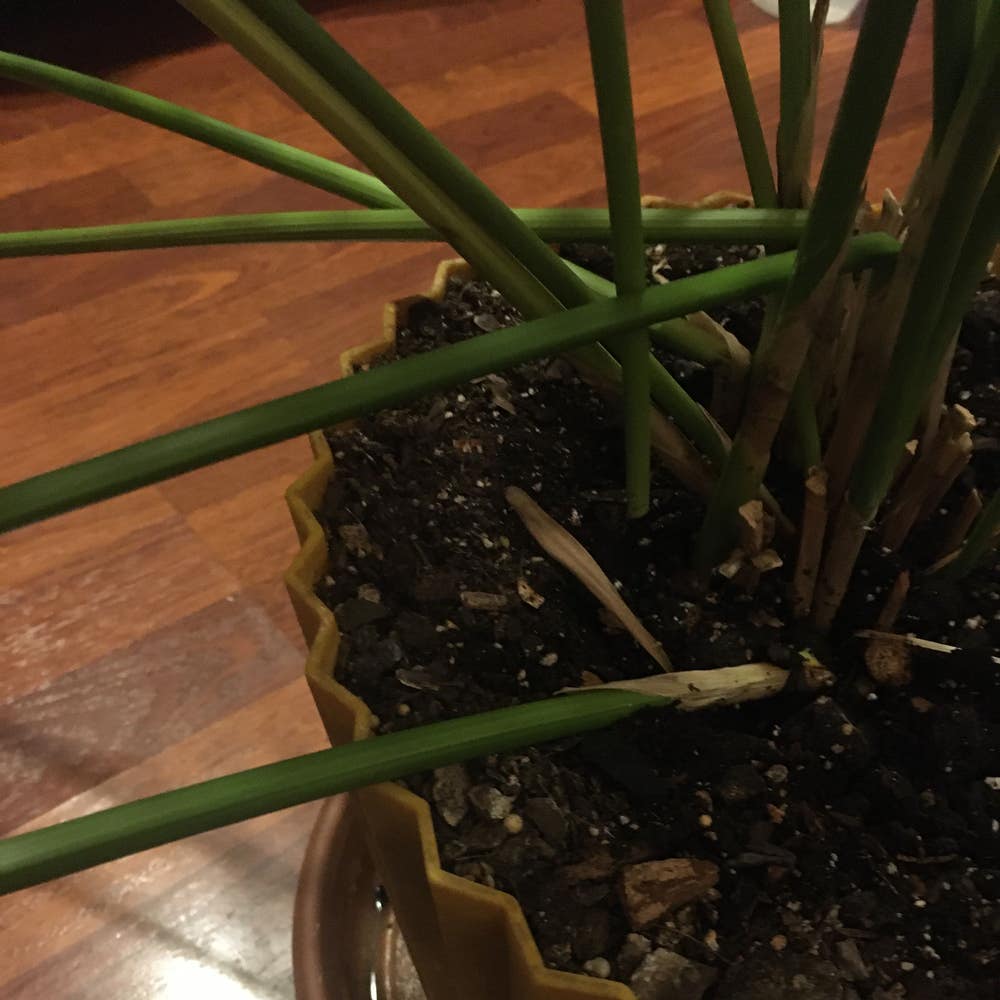
Yellowing leaves and a general decline in plant appearance could signal that your Cyperus alterniflorus is getting more water than it can handle. If the soil feels more like a wet sponge than a damp one, it's time to cut back on the H2O.
To remedy the situation, let the soil dry out completely before the next watering. Consider mixing in materials like perlite or sand to improve drainage and prevent future overwatering mishaps.
🏜️ Underwatering Thirst
On the flip side, wilting leaves and dry soil are distress calls from an underwatered Cyperus alterniflorus. The plant's need for water can shift with the seasons, so it's crucial to stay observant.
When the soil is dry a couple of inches down, it's time to quench your plant's thirst. Ensure you provide enough water to moisten the soil evenly, but avoid creating a swampy environment. Regular checks and a tailored touch are your best bets for keeping your Cyperus alterniflorus perfectly hydrated.

Let There Be Light (But Not Too Much!)
🌞 Finding the Sweet Spot
Bright, indirect light is the mantra for Cyperus alterniflorus. Too much sun, and you're left with a crispy leaf situation. Too little, and it's a droopy, sad affair. It's about as forgiving as a cat on bath day—get it wrong, and you'll know it.
🌅 Adjusting your plant's sunbathing schedule
If your plant's leaves are looking more fried than a beachgoer without sunscreen, shift it away from direct sunlight. On the other hand, if it's stretching out like a kid reaching for the cookie jar, it's craving more light. Move it closer to a window, but not too close. Remember, it's not trying to get a tan; it's trying to survive. Keep an eye out for the sweet spot where your plant looks as content as a sunbather in the shade.

Feeling the Heat: Temperature and Your Tropical Friend
🔥 Too Hot to Handle
Heat waves can turn your Cyperus alterniflorus into a leaf-dropping machine. It's like your plant's tossing its clothes off in a desperate attempt to stay cool. Sunburned spots or a leathery texture on the leaves are your cue that it's sweating bullets.
To combat the heat, think of creating a mini oasis. Shade is your best friend here; it's the equivalent of handing your plant a sun hat. And don't just crank up the watering; that's a rookie mistake. Instead, ensure the soil is like a moist chocolate cake—deliciously damp but not drowning.
❄️ Chilly Reception
Now, if the temperature drops too low, your Cyperus alterniflorus will start shedding leaves faster than a dog loses fur in summer. Leaves might curl up tighter than a roll of quarters, signaling a serious case of the shivers.
Stable temperatures are the goal. Keep your plant away from drafty windows and doors—it's not a fan of surprises. Think of maintaining the temperature like you're babysitting a Goldilocks' porridge—it needs to be just right. If you need to warm things up, consider a plant mat or a room humidifier, but avoid placing it near heating vents, as that's just asking for trouble.

The Recovery Room: Bringing Your Cyperus alterniflorus Back to Health
💧 Watering Rehab
Fine-tuning your watering regimen is like hitting the reset button for your Cyperus alterniflorus. Start by giving the soil a thorough soak and then maintain consistent moisture without turning your plant's home into a swamp.
Use tools like a soil moisture meter to avoid guesswork. Remember, your plant's thirst isn't on a 9-to-5 schedule—adjust based on the environment.
🌞 Light and Temperature TLC
Creating a stable environment is key for your plant's comeback tour. No dramatic light changes or temperature fluctuations—think of it as setting the mood for a chill recovery.
Monitor light exposure and adjust gradually. Morning sun is your plant's best friend, easing it back to health without the harshness of midday rays. Keep the temperature consistent, avoiding drafts and direct heat sources that could cause your plant to stress out.
⚠️ Safety First
This content is for general information and may contain errors, omissions, or outdated details. It is not medical, veterinary advice, or an endorsement of therapeutic claims.
Always consult a qualified healthcare professional before using any plant as food, medicine, or supplement.
Never eat any plant (or feed one to pets) without confirming its identity with at least two trusted sources.
If you suspect poisoning, call Poison Control (800) 222-1222, the Pet Poison Helpline (800) 213-6680, or your local emergency service immediately.
Spotted an error? Please report it here.
Fine-tune your Cyperus alterniflorus care with Greg's custom watering plan 🌱, ensuring your plant stays lush without the stress of guessing.