Aralia Fabian: Where to Plant
Polyscias Scutellaria 'Fabian'
By the Greg Editorial Team
Nov 22, 2024•5 min read
This article was created with the help of AI so we can cover more plants for you. May contain errors. See one? Report it here.
- 🌞 Aralia Fabian needs 4-6 hours of sunlight for optimal growth; adjust location accordingly.
- 🌱 Well-draining soil is crucial; test drainage to prevent root rot and ensure health.
- 🌳 Partial shade is acceptable, but ensure dappled sunlight for best results in growth.
Sunlight Exposure Requirements
Sunlight Preferences 🌞
Aralia Fabian is a versatile plant that thrives in full sun to partial shade. For optimal growth, aim for 4-6 hours of direct sunlight each day.
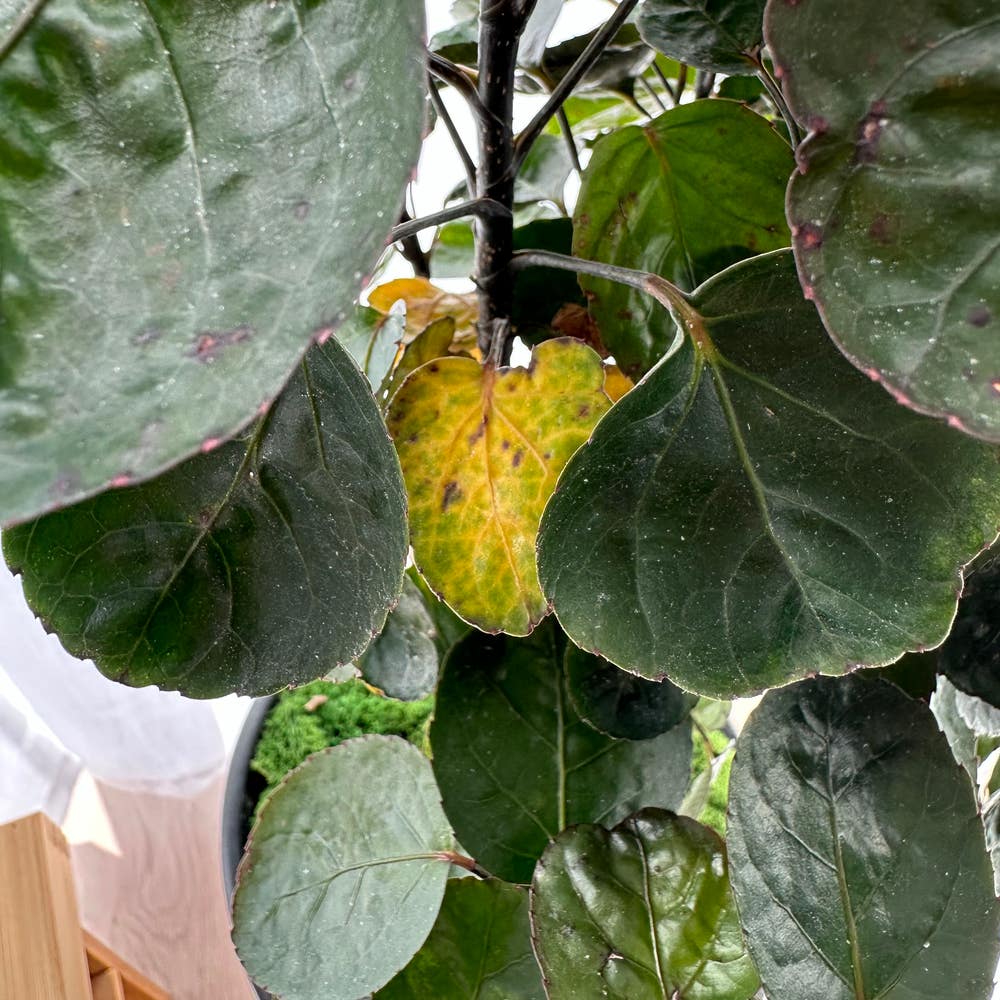
Inadequate light can lead to stunted growth, a leggy appearance, and pale leaves. If you notice these signs, it’s time to reassess your plant's location.
Shade Tolerance 🌳
This plant can tolerate partial shade, making it suitable for areas under tree canopies or shaded patios. However, to keep its foliage vibrant, ensure that some dappled sunlight reaches the plant.
Finding the right balance of light is crucial for the health of your Aralia Fabian. With the right conditions, it can flourish beautifully in your garden or home.
Soil Conditions
Ideal Soil Type 🌱
Aralia Fabian thrives in well-draining loamy or sandy soil. This type of soil provides the perfect balance of drainage and moisture retention, essential for healthy growth.
Drainage Requirements 🚰
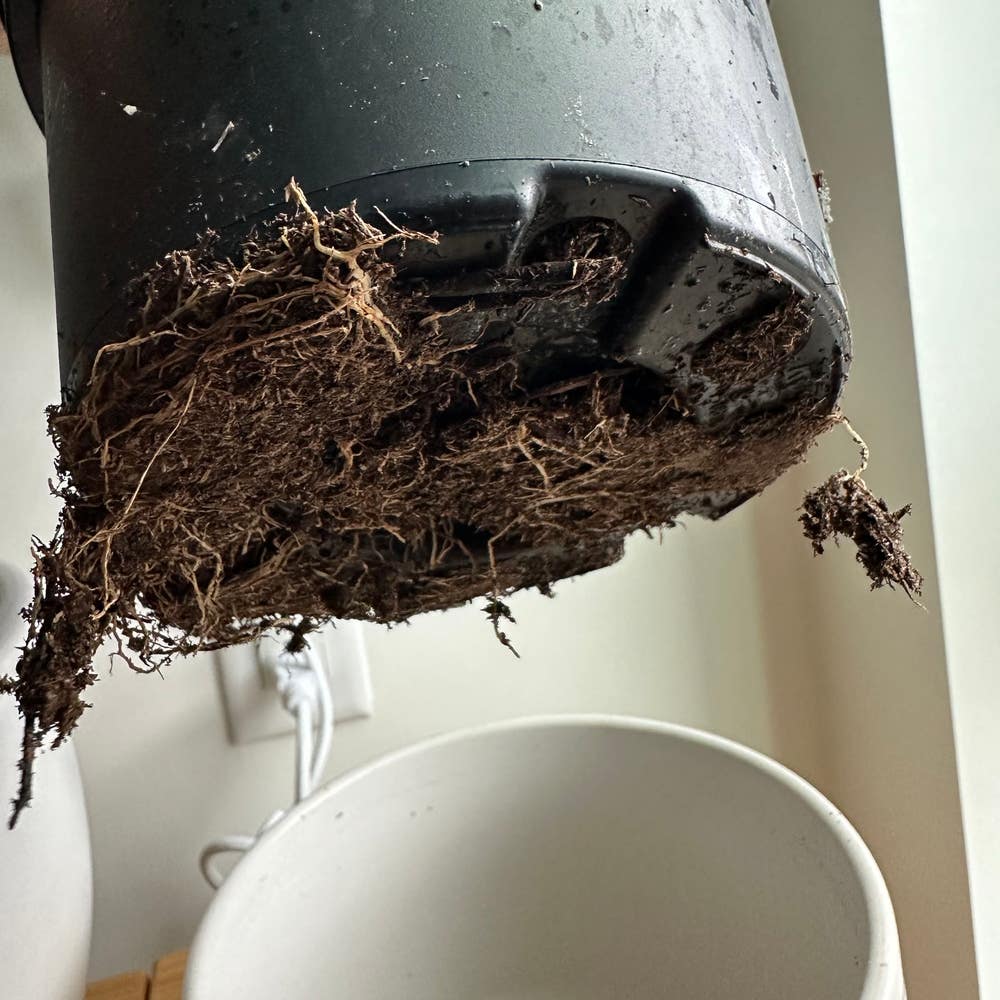
Good drainage is crucial to prevent root rot and promote robust plant health. To test drainage, dig a hole, fill it with water, and observe; it should drain within a few hours for optimal conditions.
Soil pH Preferences ⚖️
For the best results, aim for a soil pH between 6.0 and 7.0, which is slightly acidic to neutral. Before planting, use a pH meter or test kit to ensure your soil falls within this ideal range.
Understanding these soil conditions will set you up for success with your Aralia Fabian. Next, let’s explore effective site selection strategies to ensure your plant flourishes in its new home.
Site Selection Strategies
Assessing Garden Layout 🌿
When selecting a site for your Aralia Fabian, start by evaluating your garden's layout. Take note of existing plants and their sunlight patterns to ensure your new addition thrives without overcrowding.
Planning for growth is essential. Make sure there's ample space for Aralia Fabian to spread its roots and foliage, allowing it to flourish in its environment.
Proximity to Structures 🏠
Keep your Aralia Fabian at least 2-3 feet away from walls or fences. This distance promotes airflow and ensures the plant receives adequate sunlight.
Companion planting can enhance growth. Pair Aralia Fabian with other plants that share similar light and water needs for a harmonious garden ecosystem.
Wind Protection 🌬️
Wind protection is crucial for maintaining the health of your Aralia Fabian. Shielding it from strong winds prevents damage to its foliage and helps retain moisture.
Consider using fences, hedges, or other plants as effective windbreaks. These natural barriers create a more stable environment for your plant to thrive.
With the right site selection strategies in place, your Aralia Fabian will be well-positioned to grow strong and vibrant. Next, let’s explore the differences between indoor and outdoor planting to ensure your plant receives the best care possible.
Indoor vs. Outdoor Planting
🌞 Best Indoor Locations
For indoor planting, Aralia Fabian thrives best near windows that offer filtered sunlight or bright indirect light. This positioning helps the plant absorb the light it craves while avoiding the harshness of direct sun.
It's crucial to keep your Aralia away from drafts. Air conditioning vents and heating sources can stress the plant, leading to unhealthy growth.
🌳 Outdoor Considerations
When planting outdoors, choose locations that strike a balance between sun and shade. Aralia Fabian enjoys a mix of both, so look for spots that provide dappled sunlight throughout the day.
Be ready for seasonal adjustments. If extreme weather hits, you may need to move your potted plants indoors to protect them from harsh conditions.
📅 Seasonal Adjustments
Monitoring light changes is essential for indoor plants. As the seasons shift, adjust your plant's placement to ensure it continues to receive adequate light.
Timing is everything when relocating your plants. Move them as needed to maintain their health and vitality throughout the year. This proactive approach will keep your Aralia Fabian thriving, no matter the season.
With these strategies in mind, you can create the perfect environment for your Aralia Fabian, whether indoors or outdoors. Next, let’s explore the environmental factors that can impact its growth.
Environmental Factors
🌦️ Impact of Local Climate
Understanding your local climate is crucial for the successful growth of Aralia Fabian. Assess temperature ranges and precipitation patterns to determine the best planting locations.
Choose spots that align with the plant's growth preferences. For instance, if you live in a region with high humidity, ensure your Aralia has adequate airflow to prevent fungal issues.
☀️ Seasonal Sunlight Variations
As seasons change, so do sunlight patterns. It's essential to track how these variations affect your plant's light exposure.
Adjust your plant's location or care routine accordingly. For example, if winter sunlight is less intense, consider moving your Aralia closer to a window or providing supplemental lighting.
🌪️ Adapting to Weather Conditions
Be prepared for extreme weather events that could impact your Aralia. Have a plan in place for protecting your plant during storms or heatwaves.
Monitoring soil moisture is key. Adjust your watering schedule based on recent rainfall and temperature fluctuations to keep your plant healthy and thriving.
With these strategies in mind, you'll be well-equipped to provide the ideal environment for your Aralia Fabian. Next, let's explore the best indoor versus outdoor planting options to maximize its growth potential.
⚠️ Safety First
This content is for general information and may contain errors, omissions, or outdated details. It is not medical, veterinary advice, or an endorsement of therapeutic claims.
Always consult a qualified healthcare professional before using any plant as food, medicine, or supplement.
Never eat any plant (or feed one to pets) without confirming its identity with at least two trusted sources.
If you suspect poisoning, call Poison Control (800) 222-1222, the Pet Poison Helpline (800) 213-6680, or your local emergency service immediately.
Spotted an error? Please report it here.
Help your Aralia Fabian thrive 🌞 by using Greg's tailored care reminders to ensure it gets the perfect mix of sunlight, soil, and space!