Ultimate Guide to Aralia Fabian Roots 🌱
Polyscias Scutellaria 'Fabian'
By the Greg Editorial Team
Nov 22, 2024•8 min read
This article was created with the help of AI so we can cover more plants for you. May contain errors. See one? Report it here.
- 🌱 Aralia Fabian roots enhance nutrient absorption, promoting overall plant health.
- 🌍 Roots thrive in diverse soils, adapting to various climates for optimal growth.
- 💧 Proper watering prevents root rot; let top soil dry before watering again.
Root System Characteristics
Aralia Fabian boasts a fibrous root system, which is a game-changer for its overall health and growth. This type of root structure allows the plant to absorb nutrients efficiently, ensuring it thrives in various conditions.
🌱 Nutrient Absorption Capabilities
The extensive network of fibrous roots enables Aralia Fabian to tap into a wide range of nutrients in the soil. This adaptability is crucial for maintaining vibrant foliage and robust growth.
💧 Resilience to Drought and Stress
One of the standout features of this root system is its resilience. The deep and wide growth of the roots helps the plant withstand drought and other stress factors, making it a hardy choice for gardeners.
In summary, understanding the root system characteristics of Aralia Fabian is essential for successful cultivation. This knowledge sets the stage for effective watering and fertilizing techniques, which we will explore next.
Root Depth, Spread, and Growth Patterns
🌱 Depth and Spread
The Aralia Fabian roots typically reach a depth of 12-24 inches (30-60 cm). Their spread can extend impressively up to 3 feet (90 cm) in diameter, allowing for extensive nutrient absorption.
📈 Growth Patterns
These roots exhibit a moderate growth rate, expanding as the plant matures. During spring and summer, the roots are actively growing, while their pace slows down in fall and winter.
🌍 Soil Adaptability
Aralia Fabian roots are adaptable to various soil types, although they thrive best in well-draining soil. This adaptability is crucial for their overall health and growth.
Understanding the depth, spread, and growth patterns of Aralia Fabian roots is essential for successful cultivation. With this knowledge, you can ensure your plant receives the proper care it needs to flourish.
Next, we’ll explore effective watering and fertilizing techniques to support your plant’s growth.
Watering and Fertilizing Techniques
💧 Watering Needs
Proper watering is crucial for the health of your Aralia Fabian roots. Allow the top 1-2 inches of soil to dry out between waterings, adjusting based on environmental conditions like humidity and temperature.
Avoiding waterlogged conditions is essential to prevent root rot, which can be detrimental to your plant's health. Always check the soil moisture before adding more water.
🌱 Fertilization Techniques
When it comes to fertilizing, a balanced NPK fertilizer is your best bet. During the growing season in spring and summer, aim to fertilize monthly to support robust growth.
As the seasons change, reduce the frequency of fertilization in fall and winter. To apply, dilute the fertilizer in water for optimal root absorption, and be careful to avoid direct contact with the roots to prevent burn.
With these watering and fertilizing techniques, your Aralia Fabian will thrive, setting the stage for healthy growth and vibrant foliage. Next, we’ll explore effective transplanting techniques to ensure your plant continues to flourish.
Transplanting Techniques
Best Practices 🌱
Transplanting your Aralia Fabian roots is best done in spring or early summer. This timing allows the plant to acclimate and thrive in its new environment.
Preparation is key for a successful transplant. Water the plant a day before you plan to move it, ensuring the soil is moist but not soggy. Choose a pot that is 1-2 sizes larger than the current one to give the roots ample space to grow.
Impact on Success 🌿
Minimizing root disturbance during transplanting is crucial for the plant's health. Gently loosen the roots from the old pot, taking care not to damage them.
Post-transplant care is just as important. Water the plant thoroughly after transplanting to help settle the soil around the roots. Keep an eye out for signs of transplant shock, such as wilting or yellowing leaves, and adjust care as needed to support recovery.
With these techniques, your Aralia Fabian will have the best chance to flourish in its new home. Next, let’s explore common root-related issues that can arise during the care of your plant.
Common Root-Related Issues
🕵️ Identifying Problems
Root health is crucial for the vitality of your Aralia Fabian. Two common issues can significantly impact your plant's well-being: root rot and pests.
Root Rot is a serious condition characterized by wilting, yellowing leaves, and a foul odor emanating from the soil. This typically occurs when the roots sit in waterlogged conditions, leading to decay.
Pests such as root aphids and nematodes can also wreak havoc on your plant's root system. These pests feed on the roots, weakening the plant and stunting its growth.
🛠️ Solutions and Prevention
Preventing root-related issues starts with good practices. Ensure your plant has well-draining soil and adopt proper watering techniques to avoid excess moisture.
Regularly inspecting the roots during repotting can help catch problems early. Look for signs of distress, and don’t hesitate to take action if you notice anything unusual.
For root rot, the best course of action is to remove the affected roots and repot the plant in fresh, dry soil. This helps restore health and encourages new growth.
If you encounter pests, consider using insecticidal soap or neem oil. These treatments are effective and can help protect your plant from further damage.
By staying vigilant and proactive, you can maintain the health of your Aralia Fabian roots and ensure your plant thrives. Next, let’s explore how to recognize root health indicators to keep your plant in top shape.
Root Health Indicators
👀 Visual Cues of Healthy Roots
Healthy roots are a gardener's pride. They should appear white, firm, and free from any foul odors, indicating vitality and strength.
A well-developed, branching structure is another hallmark of robust roots. This complexity allows for efficient nutrient and water absorption, essential for plant growth.
🚨 Signs of Unhealthy Roots
On the flip side, unhealthy roots present several alarming indicators. A brown, mushy texture and foul smell signal root rot, a serious condition that can jeopardize your plant's health.
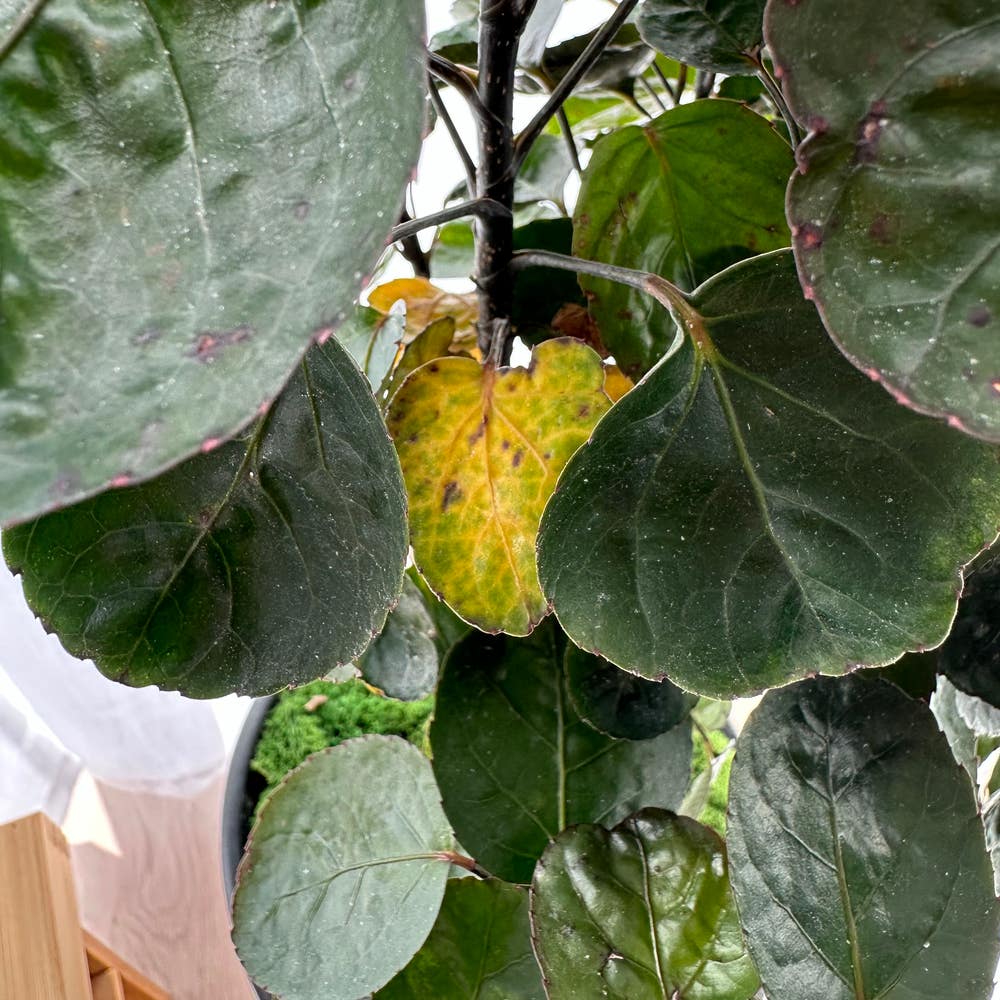
Stunted growth and yellowing leaves are also red flags. These symptoms often indicate that the roots are struggling to function properly, which can lead to further decline if not addressed.
⚒️ Corrective Measures
If you notice these signs, it's time to take action. Trim away any unhealthy roots and repot the plant in fresh, well-draining soil to give it a fighting chance.
Additionally, adjusting your watering practices can prevent recurrence. Ensuring the right balance of moisture is crucial for maintaining root health and overall plant vitality.
With these insights, you can keep your Aralia Fabian thriving and vibrant. Next, let’s explore how to recognize rootbound conditions and what you can do to remedy them.
Recognizing Rootbound Conditions
📏 Definition and Causes
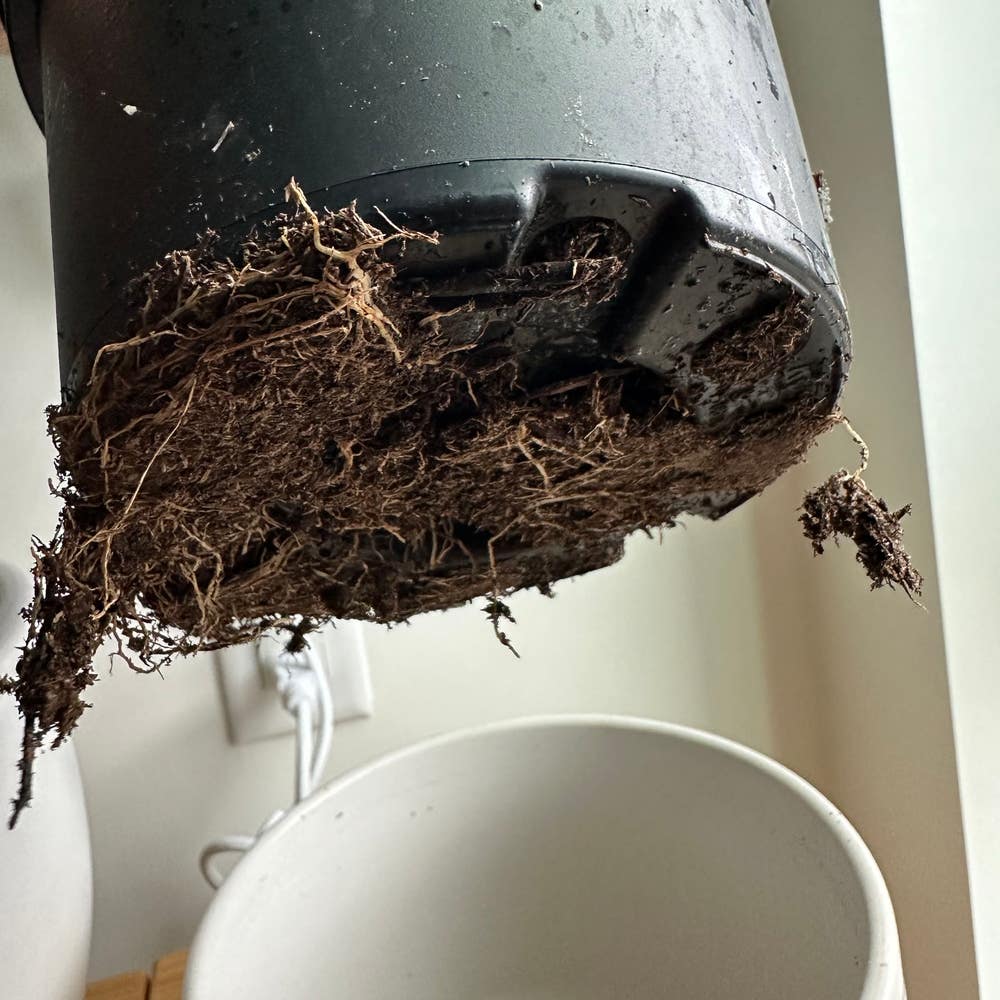
Rootbound conditions occur when a plant's roots grow in a confined space, often circling around the pot. This situation typically arises from inadequate pot size and a lack of timely repotting.
🔍 Signs of Rootbound Issues
Identifying rootbound plants is crucial for their health. Look for signs such as roots emerging from drainage holes or stunted growth, which indicate that the plant is struggling for space.
🛠️ Solutions for Rootbound Problems
To address rootbound issues, repotting into a larger container is essential. This allows the roots to spread out and access more nutrients and water.
Additionally, pruning circling roots can encourage new growth. By trimming back the roots, you help the plant redirect its energy toward developing a healthier root system.
Recognizing and addressing rootbound conditions can significantly enhance your plant's vitality. With proper care, your Aralia Fabian roots will thrive, setting the stage for the next topic on propagation and division techniques.
Propagation and Division Techniques
🌱 Importance of Root Health
Healthy roots are the backbone of successful propagation and division. When roots are strong and vibrant, they ensure that new plants thrive and grow robustly.
Timing is key; the best period for propagation is during the growing season. This is when the plant is actively growing, making it more resilient to the stress of division.
✂️ Division Process
To effectively divide your Aralia Fabian roots, follow these simple steps:
- Water the plant a day before division. This helps to hydrate the roots and makes the process smoother.
- Carefully remove the plant from its pot. Take your time to avoid damaging the roots.
- Gently separate the root ball into sections, ensuring each section has both roots and foliage. This is crucial for the health of the new plants.
- Replant the divisions in suitable pots filled with well-draining soil. This will provide the best environment for growth.
💧 Post-Division Care
After division, it's essential to water the new plants thoroughly. This helps settle the soil around the roots.
Provide indirect light until the plants are established. This gentle approach allows them to acclimate without the stress of direct sunlight.
By following these techniques, you can successfully propagate your Aralia Fabian roots, ensuring a healthy and thriving plant collection. Next, let’s explore how to recognize and address rootbound conditions.
⚠️ Safety First
This content is for general information and may contain errors, omissions, or outdated details. It is not medical, veterinary advice, or an endorsement of therapeutic claims.
Always consult a qualified healthcare professional before using any plant as food, medicine, or supplement.
Never eat any plant (or feed one to pets) without confirming its identity with at least two trusted sources.
If you suspect poisoning, call Poison Control (800) 222-1222, the Pet Poison Helpline (800) 213-6680, or your local emergency service immediately.
Spotted an error? Please report it here.
Keep your Aralia Fabian thriving with healthy roots 🌱 by using Greg's tailored watering reminders and expert care tips to ensure optimal growth and vitality!