How to Cure Curling Leaves on Your Aralia Fabian 🩹
Polyscias Scutellaria 'Fabian'
By the Greg Editorial Team
Nov 22, 2024•3 min read
This article was created with the help of AI so we can cover more plants for you. May contain errors. See one? Report it here.
- 🐛 Identify pests early to effectively treat curling leaves on your Aralia Fabian.
- 🌿 Use neem oil or insecticidal soap every 7-14 days for pest control.
- 💧 Maintain consistent watering and humidity for optimal plant health and leaf stability.
Treating Curling Leaves
🐛 Step-by-Step Treatment for Pest Infestations
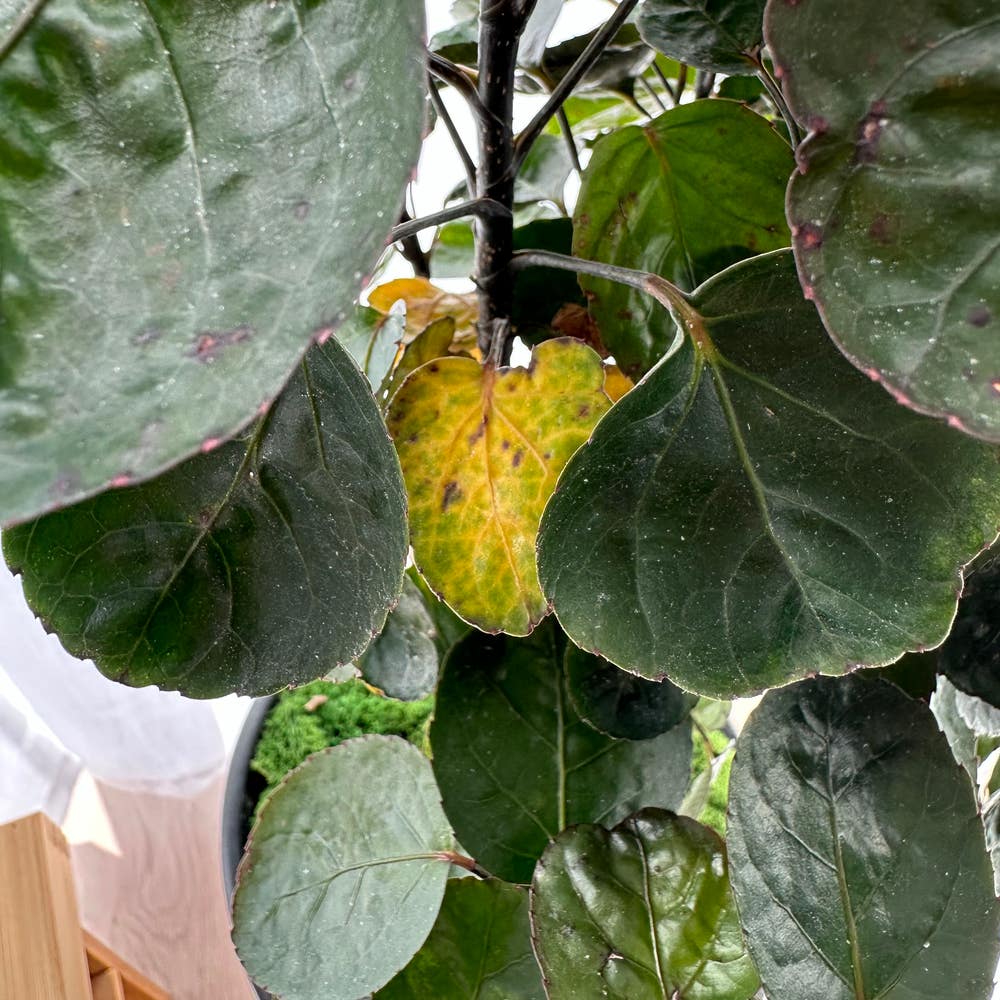
Identifying pests is the first step in treating curling leaves on your Aralia Fabian. Examine the leaves and stems closely for any signs of insects or damage.
Once you've identified the pest, consider your treatment options. Neem oil is a popular choice; spray it every 7-14 days to keep pests at bay. Alternatively, you can use insecticidal soap, applying it according to the product instructions for best results.
After treatment, monitor your plant's progress. Look for new growth and check for any signs of pest activity to ensure your efforts are effective.
💧 Adjusting Watering Practices
Establishing a consistent watering schedule is crucial. Water your Aralia Fabian when the top inch of soil feels dry to the touch.
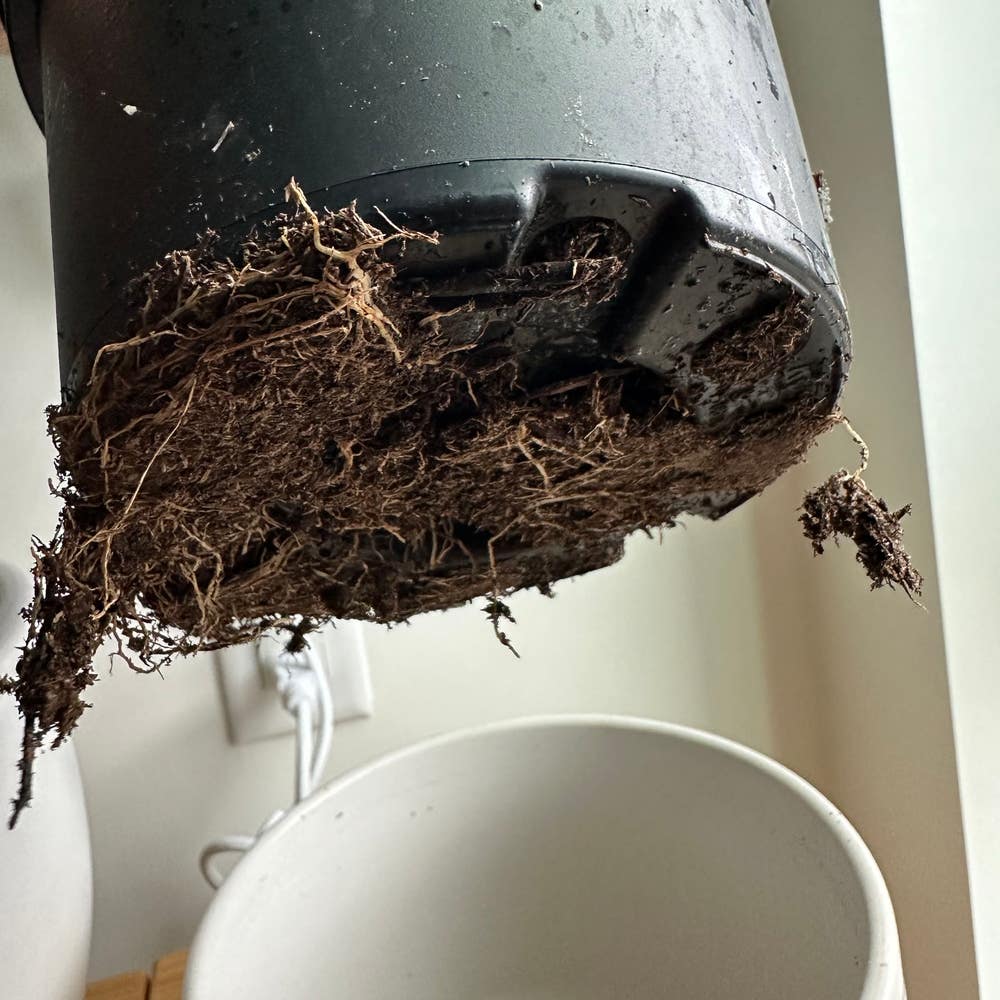
Additionally, using well-draining soil is essential. This helps prevent root rot, which can exacerbate leaf curling and other issues.
🌱 Correcting Nutrient Deficiencies
To keep your plant healthy, implement a fertilization schedule. Use a balanced fertilizer every 4-6 weeks during the growing season to provide essential nutrients.
Soil testing can also be beneficial. Conduct tests to determine nutrient levels and adjust your fertilization routine accordingly.
🌤️ Modifying Environmental Conditions
Increasing humidity can significantly improve your plant's health. Consider using a humidifier or placing a pebble tray filled with water nearby.
Adjusting light exposure is another key factor. Move your Aralia Fabian to a location with filtered light to prevent leaf burn and promote healthy growth.
Lastly, maintaining stable temperatures is vital. Avoid drafts and sudden temperature changes to create a comfortable environment for your plant.
With these treatments and adjustments, your Aralia Fabian will be on its way to recovery. Next, let’s explore how to prevent future leaf curl and ensure your plant thrives long-term.
Preventing Future Leaf Curl
🌱 Best Practices for Aralia Fabian Care
To keep your Aralia Fabian thriving, establish a consistent watering routine. Water when the top inch of soil feels dry to the touch, ensuring your plant gets the moisture it craves without drowning its roots.
Fertilization is equally important. Use slow-release fertilizers every 4-6 weeks during the growing season to maintain optimal nutrient levels and support healthy growth.
🔍 Regular Monitoring and Maintenance Tips
Make it a habit to inspect your plant weekly. Look for signs of pests and assess leaf health to catch any issues early.
Seasonal changes can impact your plant's needs. Increase humidity during winter months to combat dry indoor air, which can lead to curling leaves.
🌞 Seasonal Adjustments for Optimal Growth
In summer, your Aralia may need more water due to higher evaporation rates. Adjust your watering frequency accordingly to keep it hydrated.
Conversely, reduce watering in winter and monitor for dry air. This balance will help your plant remain healthy and vibrant throughout the year.
By following these best practices and adjustments, you can prevent future leaf curl and enjoy a flourishing Aralia Fabian. Next, let’s explore how to treat any curling leaves that may arise despite your best efforts.
⚠️ Safety First
This content is for general information and may contain errors, omissions, or outdated details. It is not medical, veterinary advice, or an endorsement of therapeutic claims.
Always consult a qualified healthcare professional before using any plant as food, medicine, or supplement.
Never eat any plant (or feed one to pets) without confirming its identity with at least two trusted sources.
If you suspect poisoning, call Poison Control (800) 222-1222, the Pet Poison Helpline (800) 213-6680, or your local emergency service immediately.
Spotted an error? Please report it here.
Transform your Aralia Fabian's curling leaves into vibrant foliage 🌿 by using Greg's personalized care reminders and expert tips to ensure your plant thrives with consistent attention!