❄️ 4 Tips for Caring for Your Aralia Fabian in Winter
Polyscias Scutellaria 'Fabian'
By the Greg Editorial Team
Nov 22, 2024•5 min read
This article was created with the help of AI so we can cover more plants for you. May contain errors. See one? Report it here.
- ❄️ Protect your Aralia Fabian from frost using cloths, blankets, and mulch.
- 🌱 Relocate potted plants to sheltered areas for warmth and protection during winter.
- 💧 Water only when the top inch of soil is dry to prevent overwatering.
Frost Protection
Methods for Protecting from Frost ❄️
When winter arrives, protecting your Aralia Fabian from frost is crucial. Here are some effective outdoor protection techniques:
- Frost Cloths and Blankets: Cover your plant with frost cloths or blankets during cold nights to shield it from freezing temperatures.
- Mulching: Apply mulch around the base of the plant. This helps insulate the roots and retain warmth in the soil.
- Relocating Potted Plants: Move potted plants to sheltered areas or against walls. This provides added warmth and protection from harsh winds.
For indoor protection, consider these strategies:
- Avoid Drafts: Keep your indoor plants away from drafty windows and doors to prevent cold air from affecting them.
- Heat Sources: Utilize space heaters or heat mats to maintain a stable temperature, ensuring your plants stay cozy throughout the winter.
Signs of Frost Damage ⚠️
Being vigilant about frost damage can save your plant from serious harm. Watch for these symptoms:
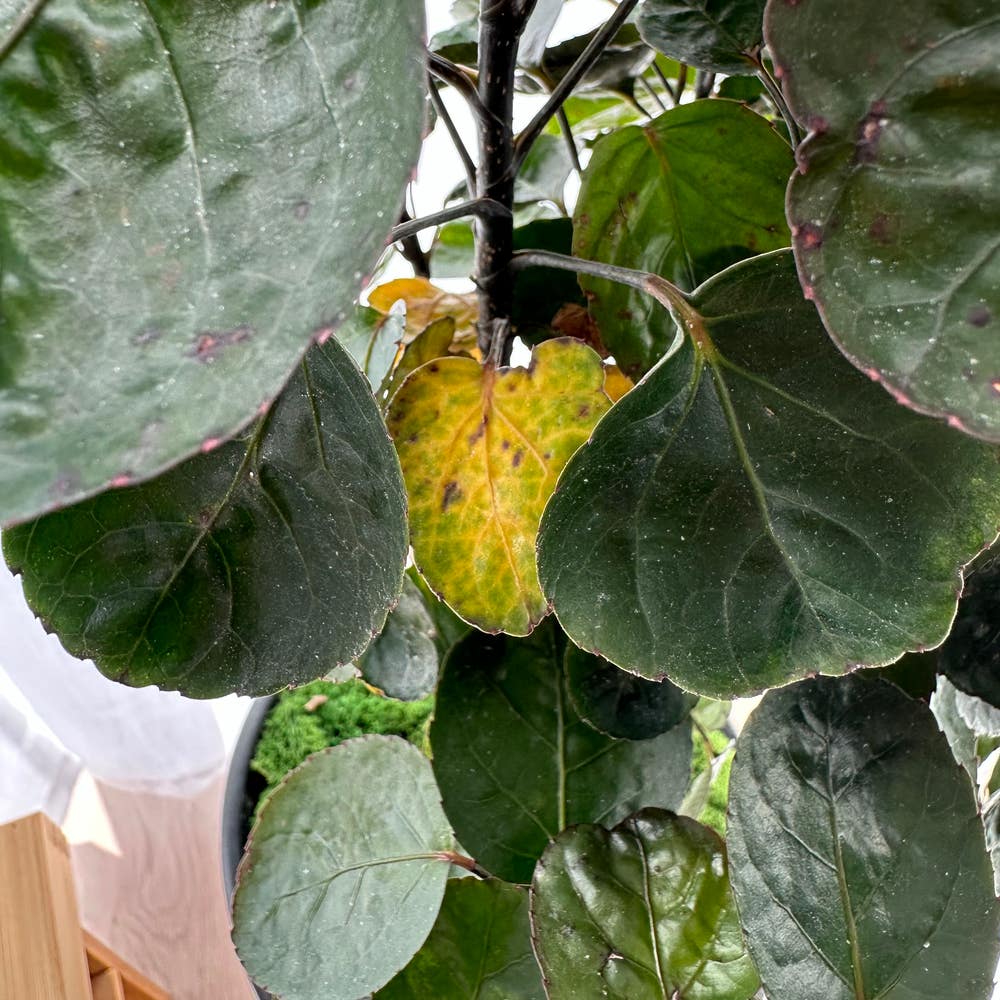
- Leaf Discoloration: Look for brown or black spots on the leaves, indicating frostbite.
- Wilting Leaves: Drooping leaves can signal that your plant is struggling with the cold.
- Leaf Drop: If you notice leaves falling off or stems dying back, it’s a sign that frost damage has occurred.
Early detection is key. The sooner you identify these signs, the more effective your recovery measures will be. By staying proactive, you can help your Aralia Fabian bounce back and thrive as winter fades away.
As we move forward, let’s explore how to adjust your watering and fertilizing practices during the colder months.
Watering and Fertilizing Adjustments
🌊 Adjusting the Watering Schedule
During winter, your Aralia Fabian enters a period of dormancy, which means it requires less water. The key is to water only when the top inch of soil feels dry, ensuring you don’t overwater.
To maintain healthy roots, keep an eye on humidity levels. If the air is too dry, it can lead to overwatering, which manifests as yellowing leaves and root rot.
🌱 Fertilizing Practices
When it comes to fertilizing, the general rule is to avoid it during the plant's dormant phase. This means holding off until early spring when growth starts to pick up again.
Once you’re ready to fertilize, opt for balanced, slow-release fertilizers. This approach supports your Aralia Fabian's growth without overwhelming it after a long winter.
By adjusting your watering and fertilizing practices, you set your plant up for a vibrant spring. Next, let’s explore how to care for your Aralia Fabian indoors during the winter months.
Indoor Winter Care
Best Practices for Bringing Indoors 🌱
Timing is crucial when bringing your Aralia Fabian indoors. Aim to do this before the first frost hits, as sudden temperature drops can stress the plant.
To help your plant adjust, gradually introduce it to indoor conditions over the course of a week. This acclimatization process is essential; keep an eye out for any signs of stress, such as drooping leaves or discoloration.
Light and Humidity Requirements 💧
Your Aralia Fabian thrives in bright, indirect sunlight. Direct sunlight can scorch its leaves, so position it where it can soak up light without the risk of burning.
Humidity is another key factor for indoor care. Aim to maintain humidity levels around 50-60%. You can achieve this by using humidifiers or placing pebble trays filled with water near the plant.
Don’t forget to rotate your plant regularly. This ensures even light exposure, helping all sides of the plant grow strong and healthy.
With these indoor care tips, your Aralia Fabian will not only survive winter but thrive, setting the stage for a vibrant spring.
Spring Preparation and Recovery
🌱 Signs of Recovery from Winter Damage
As winter fades, your Aralia Fabian will show signs of recovery. Look for new leaf growth emerging from dormant nodes, which is a promising indicator that your plant is bouncing back.
Additionally, pay attention to the color and turgidity of existing leaves. Improved vibrancy and firmness are good signs that your plant is regaining its strength.
Keep an eye out for pests that may emerge during this recovery phase. Early detection is key to preventing infestations that could hinder your plant's growth.
🌼 Preparing for Spring Growth
To prepare your Aralia Fabian for the growing season, start by gradually increasing the watering frequency as temperatures rise. This helps the plant adjust to the warmer conditions without shock.
Next, resume fertilization with a balanced fertilizer. This will provide the necessary nutrients to support new growth as the plant awakens from dormancy.
Don't forget to prune any dead or damaged foliage. This encourages fresh growth and helps the plant focus its energy on producing new leaves.
Finally, transitioning back to outdoor conditions is crucial. Acclimatize your plant to outdoor light and temperature gradually to ensure a smooth adjustment.
With these steps, your Aralia Fabian will be well on its way to thriving in the spring. As you nurture it back to health, you'll not only witness its revival but also deepen your connection with this beautiful plant.
⚠️ Safety First
This content is for general information and may contain errors, omissions, or outdated details. It is not medical, veterinary advice, or an endorsement of therapeutic claims.
Always consult a qualified healthcare professional before using any plant as food, medicine, or supplement.
Never eat any plant (or feed one to pets) without confirming its identity with at least two trusted sources.
If you suspect poisoning, call Poison Control (800) 222-1222, the Pet Poison Helpline (800) 213-6680, or your local emergency service immediately.
Spotted an error? Please report it here.
Keep your Aralia Fabian thriving through winter ❄️ with Greg's tailored care tips and watering reminders to ensure it bounces back beautifully in spring!