How to Cure Root Rot in Your Aralia Fabian 🩹
Polyscias Scutellaria 'Fabian'
By the Greg Editorial Team
Nov 22, 2024•5 min read
This article was created with the help of AI so we can cover more plants for you. May contain errors. See one? Report it here.
- 🌱 Cure root rot by inspecting roots and trimming affected areas with sterilized scissors.
- 🧼 Disinfect pots with bleach to eliminate pathogens before repotting in fresh soil.
- 💧 Water sparingly post-repotting; allow soil to dry to prevent future root rot.
Treating Root Rot
Step-by-Step Treatment Process 🌱
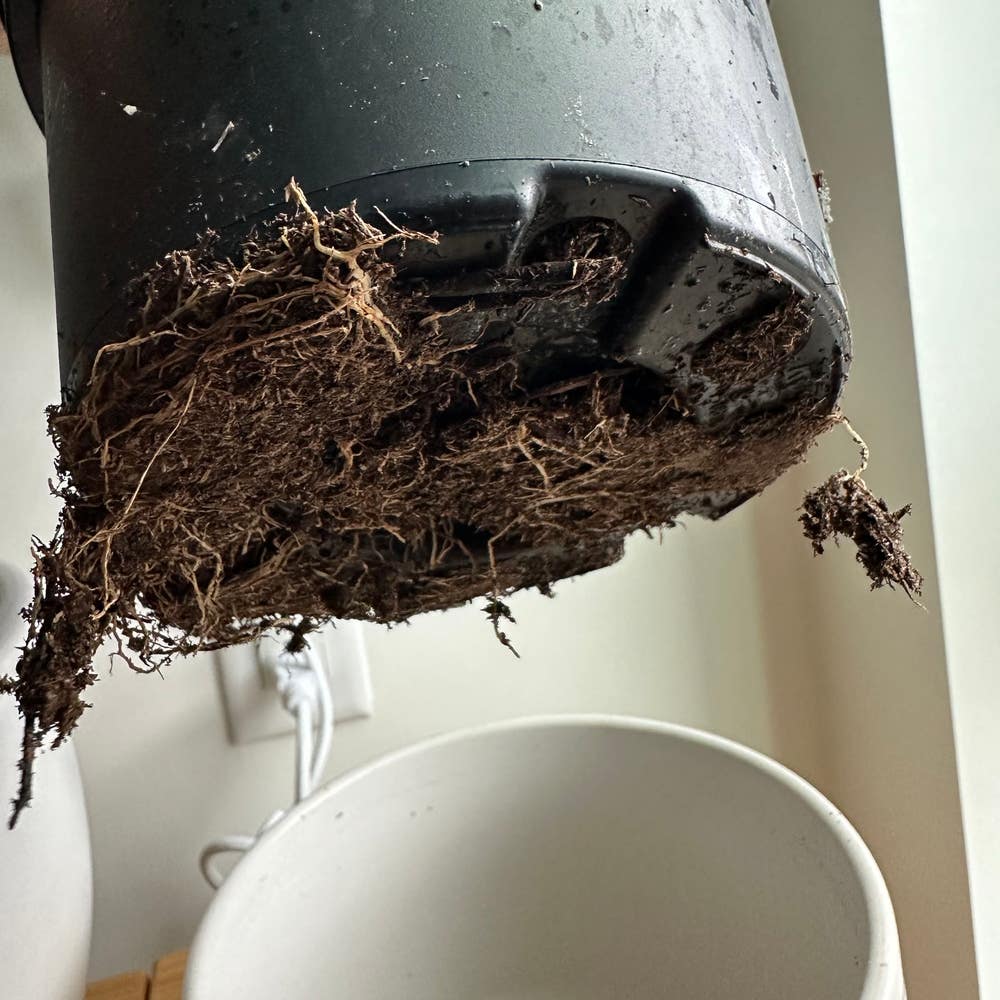
Remove the plant from its pot: Start by gently taking out your Aralia Fabian. This step is crucial to avoid causing further damage to the roots.
Inspect the roots: Carefully examine the roots to distinguish between healthy and rotting ones. Healthy roots should be firm and white, while rotting roots will appear brown and mushy.
Trim affected roots: Use sterilized scissors to cut away any brown, mushy sections. This helps prevent the spread of rot and encourages new growth.
Clean the pot: Disinfect the original pot using a bleach solution. This step is essential to eliminate any pathogens that could harm your plant.
Repot the plant: Choose fresh, well-draining soil for repotting. Ensure that the pot size is appropriate for your plant's growth.
Water sparingly: After repotting, allow the soil to dry out between waterings. This will help your plant recover without the risk of overwatering.
Importance of Repotting 🌿
Provides fresh soil: Fresh soil supplies essential nutrients and improves drainage, which is vital for recovery.
Reduces pathogen load: Repotting helps eliminate any lingering fungal spores that could cause future issues.
Allows for root inspection: This process ensures that all unhealthy roots are removed, giving your plant the best chance for recovery.
Recommended Soil Types for Recovery 🌍
Well-draining potting mix: Opt for a blend of peat, perlite, and orchid bark. This combination promotes healthy root growth.
Soil pH: Aim for a slightly acidic to neutral pH, ideally between 6.0 and 7.0. This range supports optimal nutrient absorption.
Avoid heavy soils: Steer clear of garden soil or compacted mixes, as they can retain too much moisture and exacerbate root rot.
By following these steps and recommendations, you can effectively treat root rot in your Aralia Fabian. This proactive approach not only aids in recovery but also sets the stage for long-term health and vitality. Next, let’s explore how to prevent root rot from occurring in the first place.
Preventing Root Rot
Best Watering Practices 🌊
To keep your Aralia Fabian thriving, mastering the art of watering is crucial. Start by allowing the top 1-2 inches of soil to dry out before you water again.
Using a moisture meter can be a game-changer. This handy tool helps you accurately gauge soil moisture levels, ensuring you only water when necessary.
When you do water, make sure to do it thoroughly. This means saturating the soil but also ensuring that excess water can drain out to prevent soggy roots.
Soil Drainage Solutions 🕳️
Good drainage is your best friend in preventing root rot. Incorporating perlite or sand into your potting mix can significantly improve aeration and drainage.
Always opt for pots with drainage holes. These are essential for preventing water accumulation, which can lead to root rot.
If you want to take it a step further, consider self-watering pots. They help regulate moisture levels, reducing the risk of overwatering.
Choosing the Right Pot 🪴
Choosing the right pot is just as important as watering. Select a pot that allows for growth but isn’t excessively large, as too much soil can retain excess moisture.
Material matters too. Terracotta pots are a great choice because they wick moisture away from the soil, helping to keep it from becoming waterlogged.
Finally, always prioritize pots with adequate drainage features. This simple step can make all the difference in maintaining a healthy root system.
By implementing these practices, you can significantly reduce the risk of root rot and keep your Aralia Fabian flourishing. Next, let’s explore how to monitor your plant's health effectively.
Monitoring Plant Health
🌱 Regular Checks for Root Health
To keep your Aralia Fabian thriving, schedule regular inspections every 4-6 weeks. This proactive approach helps you assess root condition and catch any issues early.
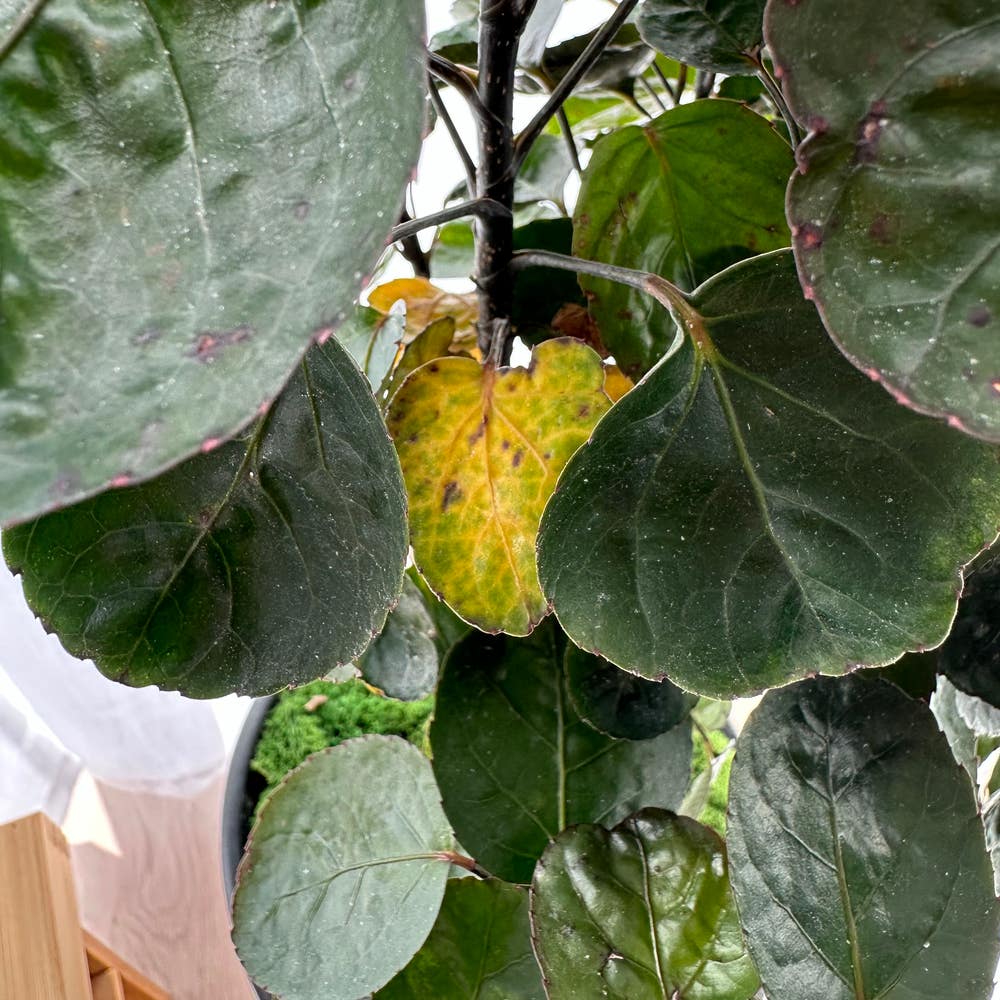
Look for signs of distress, such as yellowing leaves or wilting. These symptoms can indicate that your plant is struggling, possibly due to root rot or other stressors.
👀 Signs of Recovery After Treatment
After treating root rot, watch for new growth. The emergence of healthy leaves and stems is a positive sign that your plant is on the mend.
Improved root condition is another indicator of recovery. When you inspect the roots, they should feel firm and appear white, signaling that they are healthy.
Stabilized moisture levels are crucial too. Ensure the soil maintains consistent moisture without becoming waterlogged, as this balance is vital for recovery.
🛡️ Long-Term Care Tips to Avoid Recurrence
To prevent future root rot, maintain proper humidity levels. Aim for a range between 40-60% for optimal plant health.
Adjust your watering routine based on the season. During dormant periods, reduce watering frequency to avoid over-saturation.
Finally, monitor environmental conditions closely. Ensure your Aralia Fabian receives adequate light and airflow, which are essential for its overall well-being.
By keeping a close eye on your plant's health and making these adjustments, you can enjoy a flourishing Aralia Fabian for years to come. Next, let’s explore effective prevention strategies to keep root rot at bay.
⚠️ Safety First
This content is for general information and may contain errors, omissions, or outdated details. It is not medical, veterinary advice, or an endorsement of therapeutic claims.
Always consult a qualified healthcare professional before using any plant as food, medicine, or supplement.
Never eat any plant (or feed one to pets) without confirming its identity with at least two trusted sources.
If you suspect poisoning, call Poison Control (800) 222-1222, the Pet Poison Helpline (800) 213-6680, or your local emergency service immediately.
Spotted an error? Please report it here.
Revive your Aralia Fabian from root rot and keep it thriving with Greg's tailored watering reminders 🌱 that ensure your plant gets just the right amount of moisture for optimal health!