5 Key Factors in Choosing a Aralia Fabian Pot 🪴
Polyscias Scutellaria 'Fabian'
By the Greg Editorial Team
Nov 22, 2024•6 min read
This article was created with the help of AI so we can cover more plants for you. May contain errors. See one? Report it here.
- 🌱 Choose pot size wisely: 4-6 inches for seedlings, 12-16 inches for mature plants.
- 💧 Ensure proper drainage to prevent root rot and promote healthy growth.
- 🏺 Select between clay and plastic pots based on moisture needs and root health.
Pot Size for Different Growth Stages
Recommended Pot Sizes 🌱
Choosing the right pot size is crucial for the healthy growth of your Aralia Fabian.
Seedlings: For young seedlings, an ideal pot size is 4-6 inches in diameter. This size provides ample space for initial root development, allowing the plant to establish itself without feeling cramped.
Young Plants: As your plant grows, transition it to a pot that is 8-10 inches in diameter. This size supports continued growth and root expansion, ensuring your plant has room to thrive.
Mature Plants: For mature Aralia Fabian, opt for a pot that is 12-16 inches in diameter or larger. This accommodates the extensive root systems that develop as the plant matures, promoting overall health and vitality.
Impact of Container Size on Growth 📏
The size of the container significantly impacts your plant's growth trajectory.
Larger pots can prevent root binding, which is essential for promoting healthier growth. When roots have the space to spread out, they can access more nutrients and water.
Conversely, smaller pots may restrict root development, leading to stunted growth. If your plant feels confined, it won't reach its full potential, so choosing the right pot size is key to its success.
With the right pot size, your Aralia Fabian will flourish, setting the stage for the next important factor: pot materials.
Pot Materials
Comparison of Clay vs. Plastic Pots 🌱
When it comes to choosing the right pot for your Aralia Fabian, the material plays a crucial role. Let's dive into the pros and cons of clay and plastic pots to help you make an informed decision.
Clay Pots
Clay pots are a popular choice among plant enthusiasts for several reasons.
- Benefits:
- They offer excellent breathability, which promotes good air circulation to the roots. This is vital for healthy root development.
- Clay pots naturally regulate moisture levels, reducing the risk of overwatering, which can be a common pitfall for many plant owners.
However, they do come with some drawbacks.
- Drawbacks:
- Clay pots are heavier and can be cumbersome to move around, especially if you like to rearrange your plant display.
- They tend to dry out faster than other materials, meaning you may need to water your plants more frequently.
Plastic Pots
On the other hand, plastic pots have their own set of advantages and disadvantages.
- Benefits:
- They are lightweight and easy to handle, making them ideal for those who frequently change their plant's location.
- Plastic pots retain moisture longer, which can be a lifesaver if you sometimes forget to water.
But, there are some considerations to keep in mind.
- Drawbacks:
- Plastic pots are generally less breathable than clay, which can lead to root rot if the drainage isn’t adequate.
- They may not provide the same aesthetic appeal as clay, which some plant lovers prefer for their home decor.
Choosing between clay and plastic pots ultimately depends on your specific needs and preferences. Consider factors like your watering habits, the weight of the pot, and how it fits into your home’s style.
As you weigh your options, remember that the right pot can significantly impact your Aralia Fabian's health and growth.
Next, let’s explore the importance of drainage considerations to ensure your plant thrives.
Drainage Considerations
🌊 Importance of Drainage Holes
Drainage holes are crucial for preventing water from accumulating at the bottom of your pot. Without them, excess moisture can lead to root rot, a common issue that can jeopardize the health of your Aralia Fabian.
🌱 How Drainage Affects Root Health and Growth
Good drainage is essential for promoting healthy root systems. When water drains properly, roots can absorb nutrients efficiently, leading to robust growth.
Conversely, poor drainage can create waterlogged soil, which is detrimental to your plant's health. This can stunt growth and lead to a host of other problems, making it vital to choose pots with adequate drainage.
In summary, ensuring your pot has proper drainage holes is a simple yet effective way to support your Aralia Fabian's overall vitality. With the right drainage, you set the stage for a thriving plant that flourishes in its environment.
Next, let’s explore the guidelines for repotting your Aralia Fabian to keep it healthy and growing strong.
Repotting Guidelines
When to Repot 🌱
Repotting your Aralia Fabian is essential for its health and growth. Watch for these signs that indicate it's time for a new pot:
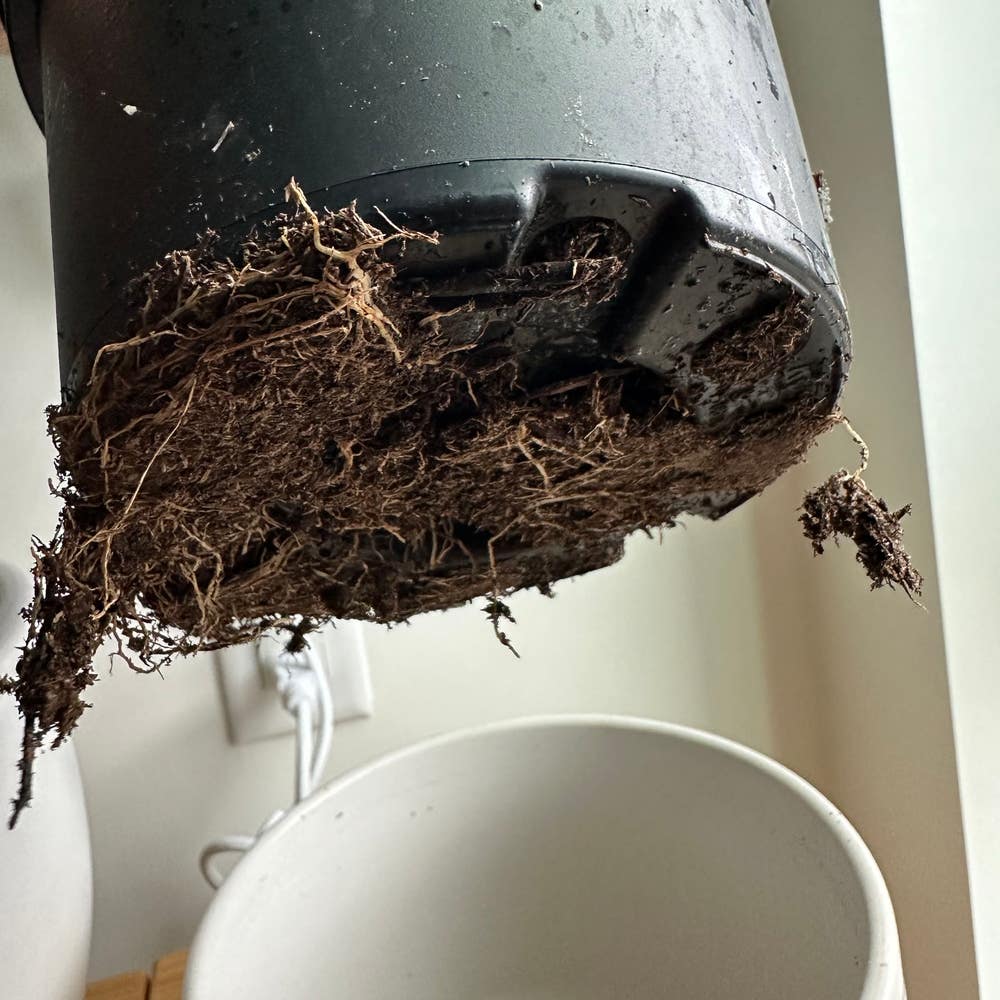
- Roots Growing Out of Drainage Holes: This is a clear signal that your plant has outgrown its current home.
- Stunted Growth Despite Proper Care: If your plant isn't thriving, it may need more space.
- Soil Drying Out Too Quickly: Rapid drying can indicate that the roots are crowded.
Step-by-Step Guide to Repotting 🛠️
Repotting can seem daunting, but it’s a straightforward process. Follow these steps for a successful transition:
- Choose a New Pot: Select a pot that is 1-2 inches larger in diameter than the current one. This gives your plant room to grow.
- Prepare Potting Mix: Use a fresh, well-draining potting mix that’s suitable for tropical plants. This ensures your Aralia gets the nutrients it needs.
- Remove the Plant: Gently take the plant out of its current pot, loosening the root ball carefully. Avoid damaging the roots.
- Position the Plant: Place the plant in the new pot, making sure it’s centered and upright. This helps maintain stability.
- Fill with Potting Mix: Add potting mix around the root ball, leaving about an inch of space at the top. This prevents overflow when watering.
- Water Thoroughly: Give your plant a good drink to settle the soil and eliminate air pockets. This helps the roots establish in their new environment.
Repotting not only provides your Aralia Fabian with more space but also refreshes its growing conditions. With these guidelines, your plant will thrive in its new pot, setting the stage for healthy growth and vitality.
Next, let’s explore how the choice of pot can significantly impact your plant's health and growth.
Impact of Pot Choice on Plant Health
🌧️ How Pot Choice Influences Moisture Retention and Aeration
The choice of pot significantly impacts how moisture is retained and how air circulates to the roots of your Aralia Fabian. Clay pots are known for their breathability, allowing for quicker evaporation, which can be beneficial in preventing overwatering.
In contrast, plastic pots retain moisture longer, making them ideal for those who may forget to water regularly. However, this can lead to issues if drainage is inadequate, as roots may suffer from a lack of oxygen.
📏 Effects of Pot Size and Material on Growth Rate and Overall Health
Selecting the right pot size and material is crucial for enhancing the growth rates and overall vitality of your Aralia Fabian. A well-sized pot provides ample room for root expansion, while the right material ensures that moisture levels are balanced.
Choosing the appropriate pot can prevent common issues like overwatering and root rot, which are detrimental to plant health. Ultimately, a thoughtful pot choice leads to a thriving, vibrant plant that brings joy to your space.
As you consider your pot options, remember that the right choice can set the stage for a flourishing Aralia Fabian. Next, let's explore the essential guidelines for repotting to keep your plant healthy and happy.
⚠️ Safety First
This content is for general information and may contain errors, omissions, or outdated details. It is not medical, veterinary advice, or an endorsement of therapeutic claims.
Always consult a qualified healthcare professional before using any plant as food, medicine, or supplement.
Never eat any plant (or feed one to pets) without confirming its identity with at least two trusted sources.
If you suspect poisoning, call Poison Control (800) 222-1222, the Pet Poison Helpline (800) 213-6680, or your local emergency service immediately.
Spotted an error? Please report it here.
Give your Aralia Fabian the perfect pot 🪴 for thriving growth with Greg's tailored tips and reminders that take the guesswork out of plant care!