4 Signs of Pest Damage on Aralia Fabian 🐛
Polyscias Scutellaria 'Fabian'
By the Greg Editorial Team
Nov 22, 2024•3 min read
This article was created with the help of AI so we can cover more plants for you. May contain errors. See one? Report it here.
- 🕷️ Spider mites cause stippling and yellowing, leading to leaf drop if untreated.
- 🐞 Scale insects weaken growth by sucking sap; look for small bumps on leaves.
- 🌱 Fungus gnats stunt growth; control larvae by drying soil between waterings.
Common Pests Affecting Aralia Fabian
🕷️ Spider Mites
Identification
Spider mites are tiny, spider-like pests that can be red or green. You might notice fine webbing on the leaves, especially in dry conditions.
Damage
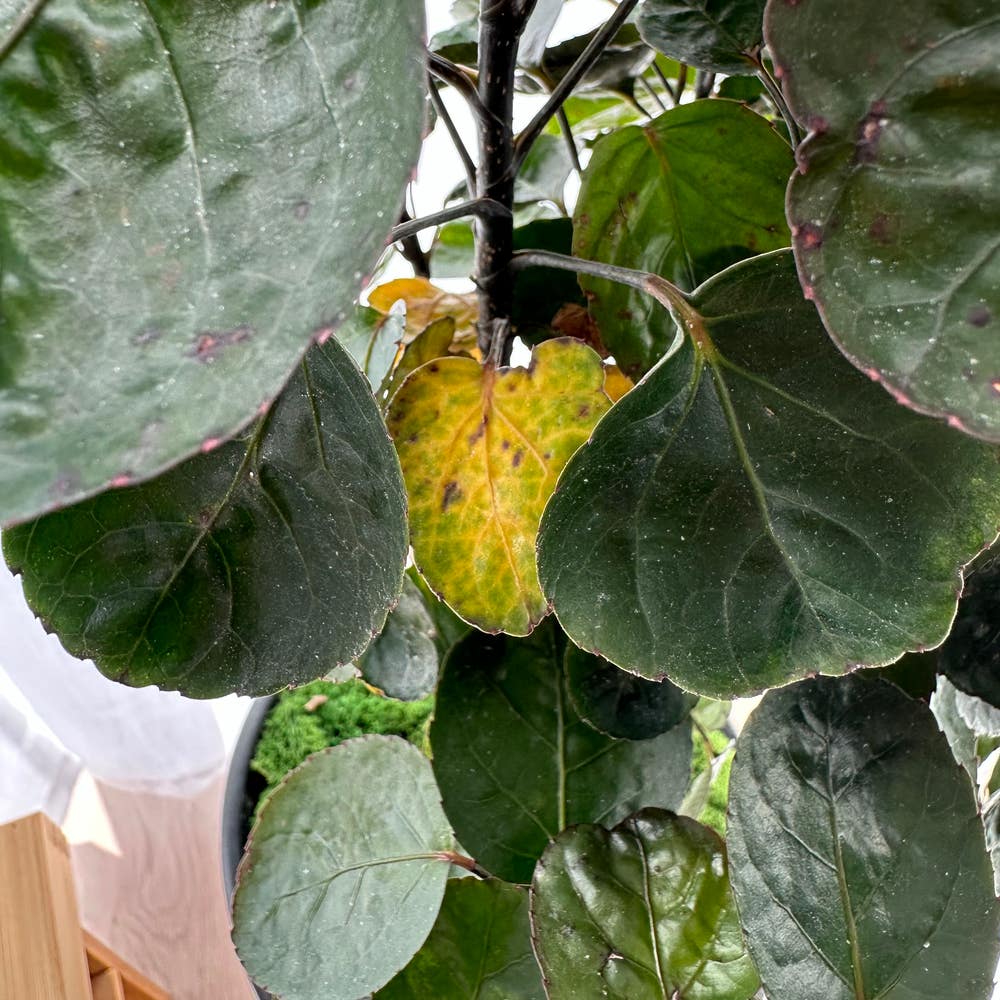
These pests cause stippling on leaves, which leads to yellowing and, ultimately, leaf drop. If left unchecked, they can significantly weaken your Aralia Fabian.
Treatment Options
For chemical treatment, use miticides specifically designed for spider mites. Alternatively, organic options like neem oil or insecticidal soap can be effective; increasing humidity around the plant also helps deter them.
🐞 Scale Insects
Identification
Scale insects appear as small, oval-shaped bumps on the stems and leaves, often brown or white. You may also find a sticky residue and sooty mold on your plant.
Damage
These pests suck sap from the plant, leading to weakened growth and leaf drop. Their presence can severely impact the health of your Aralia Fabian.
Treatment Options
For severe infestations, systemic insecticides are recommended. On the organic side, you can manually remove them with a cotton swab dipped in alcohol or apply horticultural oil.
🦟 Fungus Gnats
Identification
Fungus gnats are small, dark flies that hover around the soil. Their larvae are tiny and white, typically found in the soil where they feed.
Damage
The larvae feed on the roots, causing stunted growth and yellowing leaves. This can lead to a decline in the overall health of your plant.
Treatment Options
Chemical treatments include insecticides targeting the larvae in the soil. For an organic approach, allow the soil to dry out between waterings or introduce beneficial nematodes to combat the larvae.
🐛 Mealybugs
Identification
Mealybugs are easily recognized by their white, cottony masses on leaves and stems. You may also notice sticky leaves and sooty mold as indicators of their presence.
Damage
These pests suck sap from the plant, weakening it and potentially transmitting diseases. Their impact can be detrimental if not addressed promptly.
Treatment Options
For heavy infestations, systemic insecticides are effective. Alternatively, you can apply rubbing alcohol or insecticidal soap for a more organic solution.
🚿 Prevention Strategies
Plant Hygiene Practices
Maintaining cleanliness is crucial for your plant's health. Regularly remove dead leaves and debris to minimize pest attraction.
Regular Inspection Routines
Inspect your plants frequently for signs of pests. Focus on key areas like the undersides of leaves, stems, and the soil.
Environmental Conditions to Monitor
Monitor humidity and temperature levels to create an environment that deters pests. Proper ventilation is also essential to prevent fungal issues.
🛡️ General Pest Management
Integrated Pest Management (IPM) Principles
IPM combines cultural, biological, and chemical methods for effective pest management. Understanding its principles can significantly enhance your Aralia Fabian care.
Importance of Early Detection and Intervention
Recognizing early signs of pest infestations is vital. Prompt action can prevent severe damage and keep your plant thriving.
🔍 Distinguishing Between Similar Pests
Tips for Identifying Different Pests
Familiarize yourself with key characteristics to differentiate between common pests. Close inspection and comparing pest pictures can aid in accurate identification.
Visual Cues and Characteristics
Look for specific traits that help in identifying pests accurately. Using magnifying tools can enhance visibility, especially for smaller pests.
By understanding these common pests and their management, you can keep your Aralia Fabian healthy and vibrant. Next, let’s explore effective prevention strategies to safeguard your plant from future infestations.
⚠️ Safety First
This content is for general information and may contain errors, omissions, or outdated details. It is not medical, veterinary advice, or an endorsement of therapeutic claims.
Always consult a qualified healthcare professional before using any plant as food, medicine, or supplement.
Never eat any plant (or feed one to pets) without confirming its identity with at least two trusted sources.
If you suspect poisoning, call Poison Control (800) 222-1222, the Pet Poison Helpline (800) 213-6680, or your local emergency service immediately.
Spotted an error? Please report it here.
Keep your Aralia Fabian thriving 🌱 by spotting pest damage early and using Greg's tailored care tips to tackle any issues with confidence!