5 Quick Fixes for Aralia Fabian Bloom Problems 🌸
Polyscias Scutellaria 'Fabian'
By the Greg Editorial Team
Nov 22, 2024•7 min read
This article was created with the help of AI so we can cover more plants for you. May contain errors. See one? Report it here.
- 💡 Insufficient light is a key reason Aralia Fabian fails to bloom.
- 🌱 Nutrient deficiencies in nitrogen, phosphorus, and potassium hinder blooming success.
- 💧 Proper watering techniques are crucial; both overwatering and underwatering harm flower development.
Failure to Bloom
🌞 Causes of Failure to Bloom
Insufficient Light
Adequate light exposure is crucial for the flowering of Aralia Fabian. Without it, you may notice leggy growth and pale leaves, indicating your plant is stretching for light.
Nutrient Deficiencies
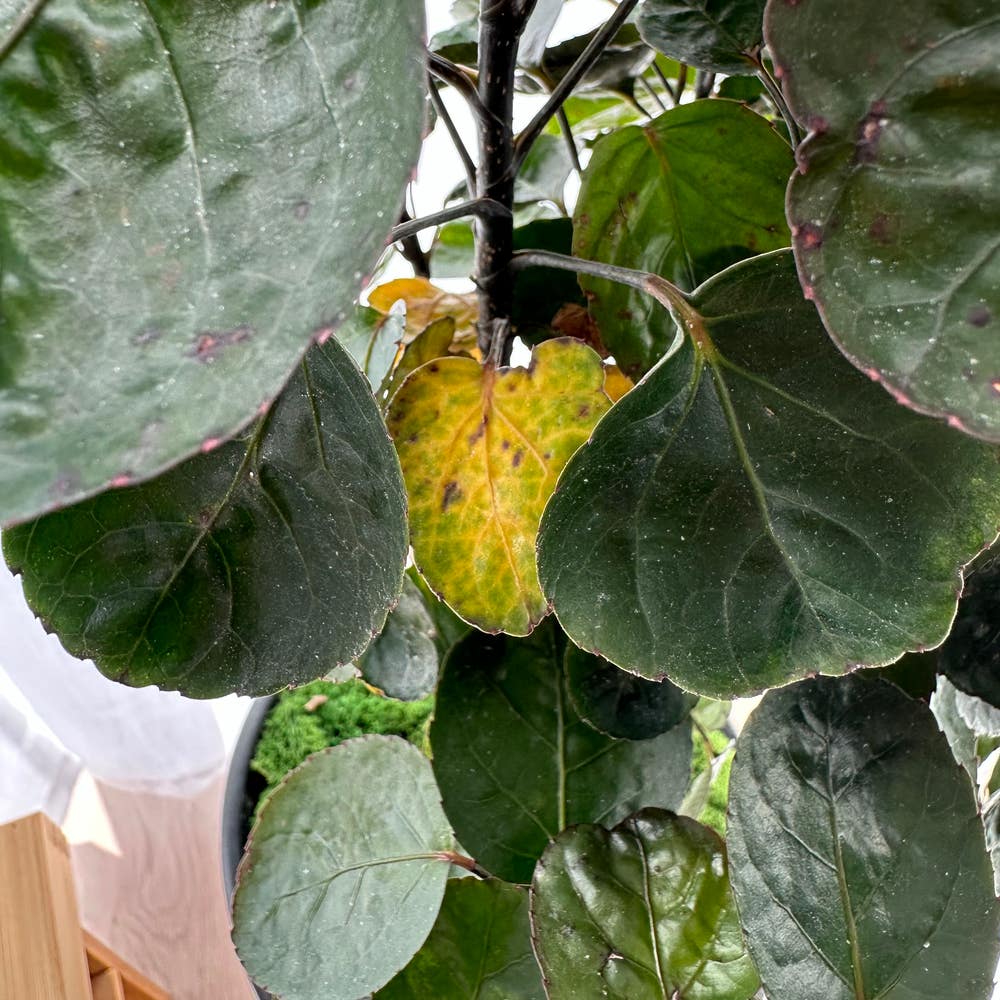
Key nutrients like nitrogen, phosphorus, and potassium are essential for vibrant blooms. If your plant's leaves are yellowing or growth is stunted, it might be time to assess its nutrient intake.
Improper Watering
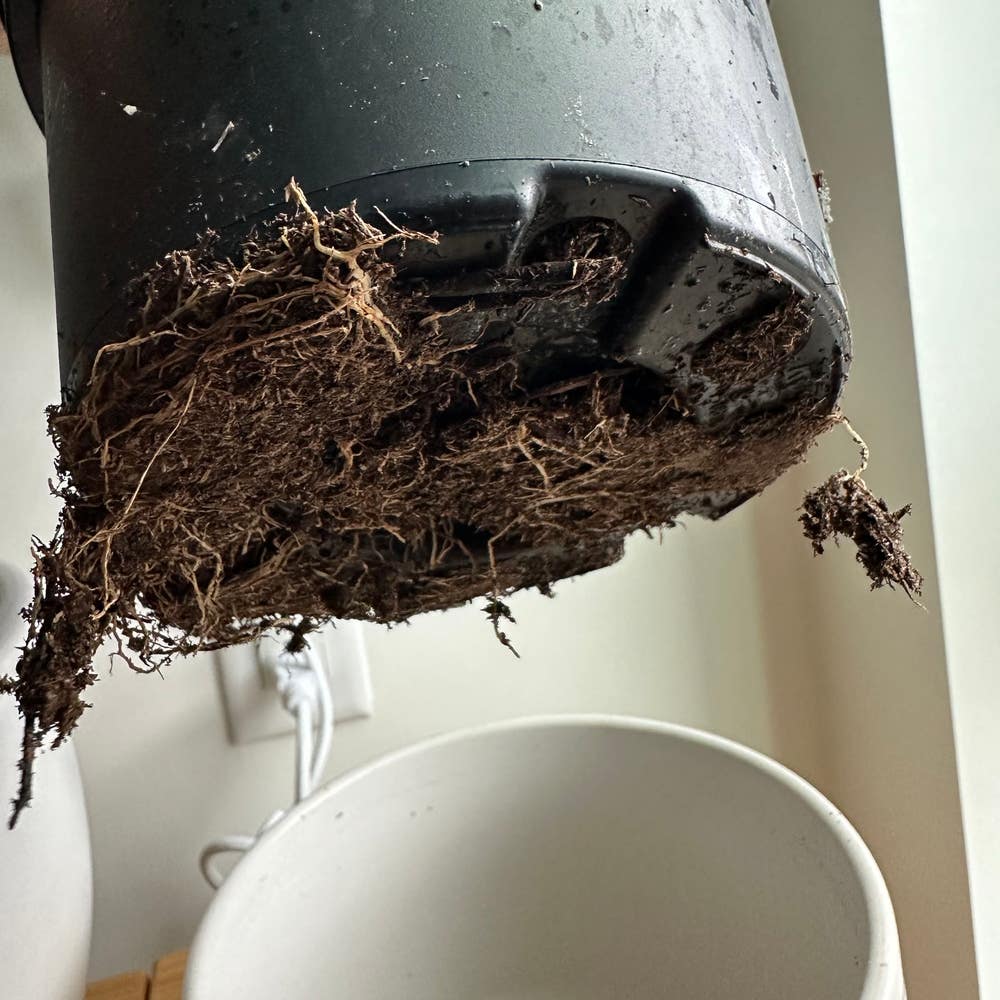
Both overwatering and underwatering can hinder bloom development. Watch for signs of root rot, such as a foul smell or mushy roots, which can severely impact flowering.
🌱 Solutions for Failure to Bloom
Adjusting Light Exposure
To encourage blooming, ensure your Aralia Fabian receives the right light conditions. Direct light is often best, but if you’re indoors, consider repositioning your plant near a window to maximize light intake.
Fertilization Tips
Fertilizing correctly can make a significant difference in flower development. Use a balanced fertilizer during the growing season, applying it every 4-6 weeks to provide the necessary nutrients.
Watering Techniques
Proper watering is key to preventing root issues. Aim for well-draining soil and monitor moisture levels regularly to ensure your plant isn’t sitting in water, which can lead to root rot.
By addressing these common causes and implementing effective solutions, you can help your Aralia Fabian thrive and bloom beautifully. Next, let’s explore the issue of premature flower drop and how to tackle it effectively.
Premature Flower Drop
🌪️ Causes of Premature Flower Drop
Environmental Stress
Environmental stress can wreak havoc on your Aralia Fabian, leading to premature flower drop. Factors like temperature fluctuations and humidity levels play a significant role, with signs such as wilting leaves and drooping flowers indicating your plant is struggling.
Overwatering
Overwatering is another common culprit behind flower drop. Excessive moisture can cause root problems, leading to bud drop; look for signs like yellowing leaves and soggy soil to identify this issue.
Pest Infestations
Pests can also be a major threat to your blooms. Common pests like spider mites and aphids can damage your plant, leaving discolored leaves and visible insects as telltale signs of infestation.
🛠️ Solutions for Premature Flower Drop
Identifying Stress Factors
To combat premature flower drop, start by identifying stress factors in your plant's environment. Regularly monitor conditions and make necessary adjustments to create a stable environment that promotes optimal growth.
Proper Watering Practices
Establishing a consistent watering schedule is crucial for your Aralia Fabian's health. Use techniques like the finger test to check soil moisture levels, ensuring you neither overwater nor underwater your plant.
Pest Control Methods
For pest infestations, consider implementing effective treatments. Use insecticidal soap or neem oil for common pests, and take preventative measures like regularly inspecting your plant to avoid future infestations.
By addressing these issues, you can help your Aralia Fabian thrive and enjoy a beautiful bloom cycle. Next, let’s explore how light impacts flowering and what you can do to optimize it.
Abnormal Flower Development
🌱 Causes of Abnormal Flower Development
Genetic Factors
Genetics play a crucial role in how flowers form. Variability in flower quality can arise from genetic differences, leading to unexpected results in bloom appearance.
Nutrient Imbalances
Nutrient levels directly affect flower morphology. Excess or deficiency of key nutrients can result in distorted flowers and poor color, signaling a need for adjustment.
Temperature Fluctuations
Temperature significantly impacts flower development. Maintaining an ideal temperature range during blooming is essential for optimal flower quality.
🌼 Solutions for Abnormal Flower Development
Soil Amendments
To correct nutrient imbalances, consider using soil amendments. Testing your soil for pH and nutrient levels can guide you in selecting the right amendments.
Temperature Regulation
Maintaining consistent temperatures is vital for healthy blooms. Utilize thermometers and humidity monitors to keep track of your plant's environment.
Monitoring Growth Conditions
Regularly observe your plant's health and flower development. Adjust your care practices based on any issues you notice to promote better flowering.
By addressing these factors, you can enhance the blooming potential of your Aralia Fabian. Next, let’s explore how light affects flowering and what adjustments you can make for optimal growth.
Impact of Light on Flowering
Importance of Light for Blooming 🌼
Understanding the types of light is crucial for your Aralia Fabian's blooming success. Direct light can enhance flowering, while indirect light may lead to leggy growth and fewer blooms.
For optimal bloom cycles, aim for around 12 to 14 hours of light exposure daily. Seasonal adjustments are also key; during shorter winter days, consider supplementing light to maintain blooming vigor.
Adjusting Light Conditions 🌞
Repositioning your plants can significantly impact their light intake. If indoors, place them near windows that receive ample sunlight, and consider rotating them regularly for even exposure.
For outdoor placements, ensure they are sheltered from harsh midday sun while still receiving bright light. If natural light falls short, grow lights can be a game changer.
When choosing grow lights, LED options are energy-efficient and effective for Aralia Fabian. Follow guidelines for distance and duration to mimic natural sunlight, ensuring your plants thrive and bloom beautifully.
With the right light conditions, your Aralia Fabian can flourish, setting the stage for vibrant blooms. Next, let’s explore the nutritional needs essential for supporting this flowering journey.
Nutritional Needs for Flowering
🌼 Essential Nutrients for Blooming
To achieve vibrant blooms, Aralia Fabian requires three key nutrients: nitrogen, phosphorus, and potassium. Nitrogen promotes lush foliage, phosphorus supports root and flower development, while potassium enhances overall plant health and resilience.
Signs of nutrient deficiencies can manifest in various ways. Yellowing leaves often indicate a nitrogen shortage, while poor flower quality may suggest insufficient phosphorus or potassium levels. Keeping an eye on these symptoms can help you address any issues before they affect blooming.
📅 Fertilization Schedule
Timing and frequency of fertilization are crucial during the bloom cycle. Generally, you should fertilize every 4-6 weeks, starting in early spring as growth begins and continuing through the blooming period. This consistent feeding helps ensure your plant has the nutrients it needs to thrive.
When it comes to formulations, consider using a balanced fertilizer with an N-P-K ratio suited for flowering plants. For instance, a 10-10-10 or 5-10-5 mix can work wonders during different growth stages.
Organic vs. Synthetic Fertilizers
Both organic and synthetic fertilizers have their pros and cons. Organic options, like compost or fish emulsion, enrich the soil and improve its structure over time. However, they may release nutrients more slowly than synthetic fertilizers, which provide a quick nutrient boost but can lead to salt buildup if overused.
For Aralia Fabian, organic fertilizers such as seaweed extract or bone meal can effectively support flowering while being gentle on the plant. Ultimately, the choice between organic and synthetic depends on your gardening philosophy and the specific needs of your plant.
As you nurture your Aralia Fabian, remember that proper nutrition is just one piece of the puzzle. Next, we’ll explore how pruning techniques can further enhance flowering and overall plant health.
Pruning Techniques for Better Flowering
🕒 When to Prune
Timing is crucial when it comes to pruning your Aralia Fabian. The best times to prune are just before the growing season begins and after the blooming period ends, as this encourages new growth and maximizes blooming potential.
Seasonal considerations also play a role. In spring, focus on removing any dead or damaged branches to promote healthy blooms. In late summer or early fall, light pruning can help shape the plant without hindering its natural growth cycle.
✂️ Pruning Methods
To encourage flowering, use specific cuts that stimulate new growth. Aim to prune just above a leaf node, which can lead to branching and more blooms.
Removing dead or damaged growth is essential, as it allows the plant to redirect energy towards healthy areas. This simple act can significantly enhance the overall vitality and flowering of your Aralia Fabian.
🛠️ Tools and Safety Tips for Pruning
Having the right tools makes all the difference. Use sharp, clean pruning shears for precise cuts, and consider gloves to protect your hands from any sharp edges or plant sap.
Safety is paramount. Always wear protective eyewear to shield your eyes from debris, and ensure your workspace is clear to avoid accidents. With the right approach, pruning can be a rewarding experience that leads to a flourishing plant.
By mastering these pruning techniques, you’ll set the stage for a vibrant bloom season ahead. Next, let’s explore how to meet the nutritional needs of your Aralia Fabian for optimal flowering.
⚠️ Safety First
This content is for general information and may contain errors, omissions, or outdated details. It is not medical, veterinary advice, or an endorsement of therapeutic claims.
Always consult a qualified healthcare professional before using any plant as food, medicine, or supplement.
Never eat any plant (or feed one to pets) without confirming its identity with at least two trusted sources.
If you suspect poisoning, call Poison Control (800) 222-1222, the Pet Poison Helpline (800) 213-6680, or your local emergency service immediately.
Spotted an error? Please report it here.
Unlock vibrant blooms for your Aralia Fabian 🌼 by using Greg's tailored watering and fertilization reminders to keep your plant thriving!