🍃 How to Cure Leaves Falling Over on Your Aralia Fabian
Polyscias Scutellaria 'Fabian'
By the Greg Editorial Team
Nov 22, 2024•6 min read
This article was created with the help of AI so we can cover more plants for you. May contain errors. See one? Report it here.
- 💧 Overwatering and underwatering are primary causes of leaf drop in Aralia Fabian.
- 🌞 Provide 6-8 hours of indirect sunlight daily to prevent leaf drop.
- 🌬️ Maintain humidity levels between 60-80% for optimal plant health.
Causes of Leaf Drop
💧 Overwatering and Its Effects
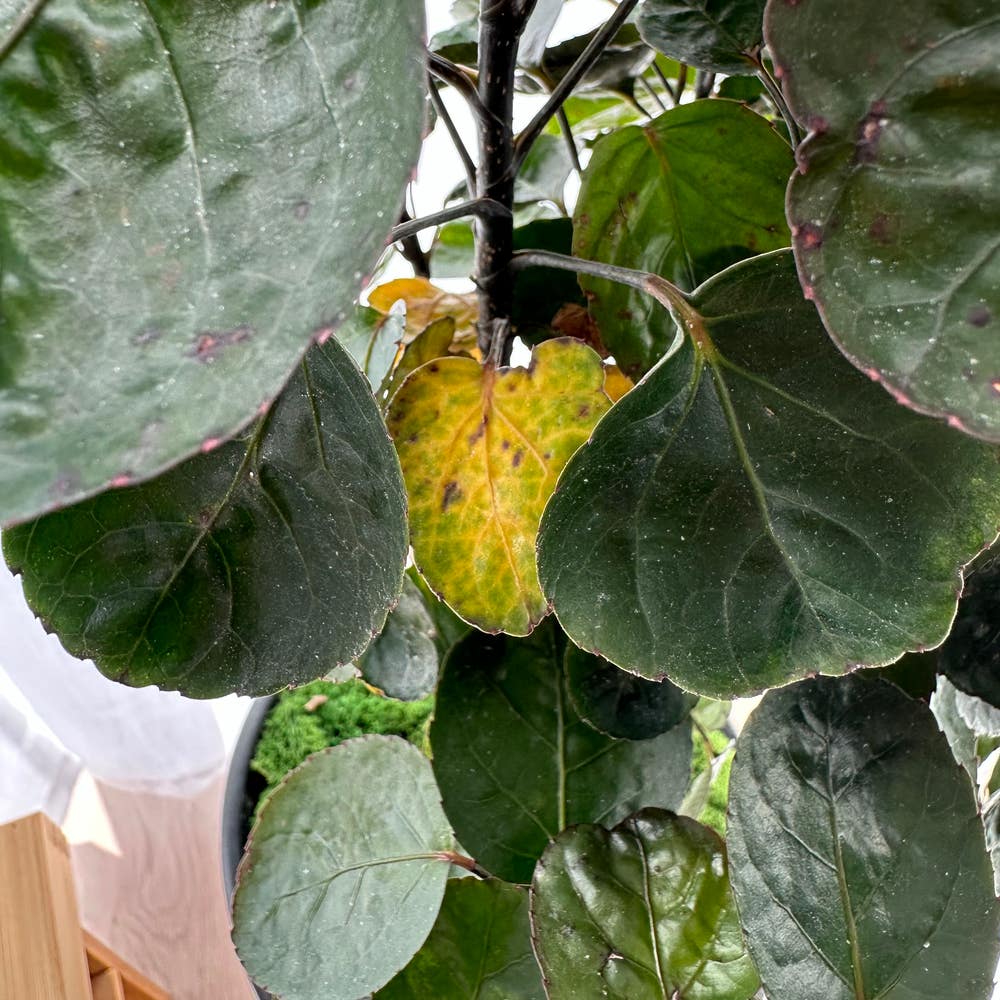
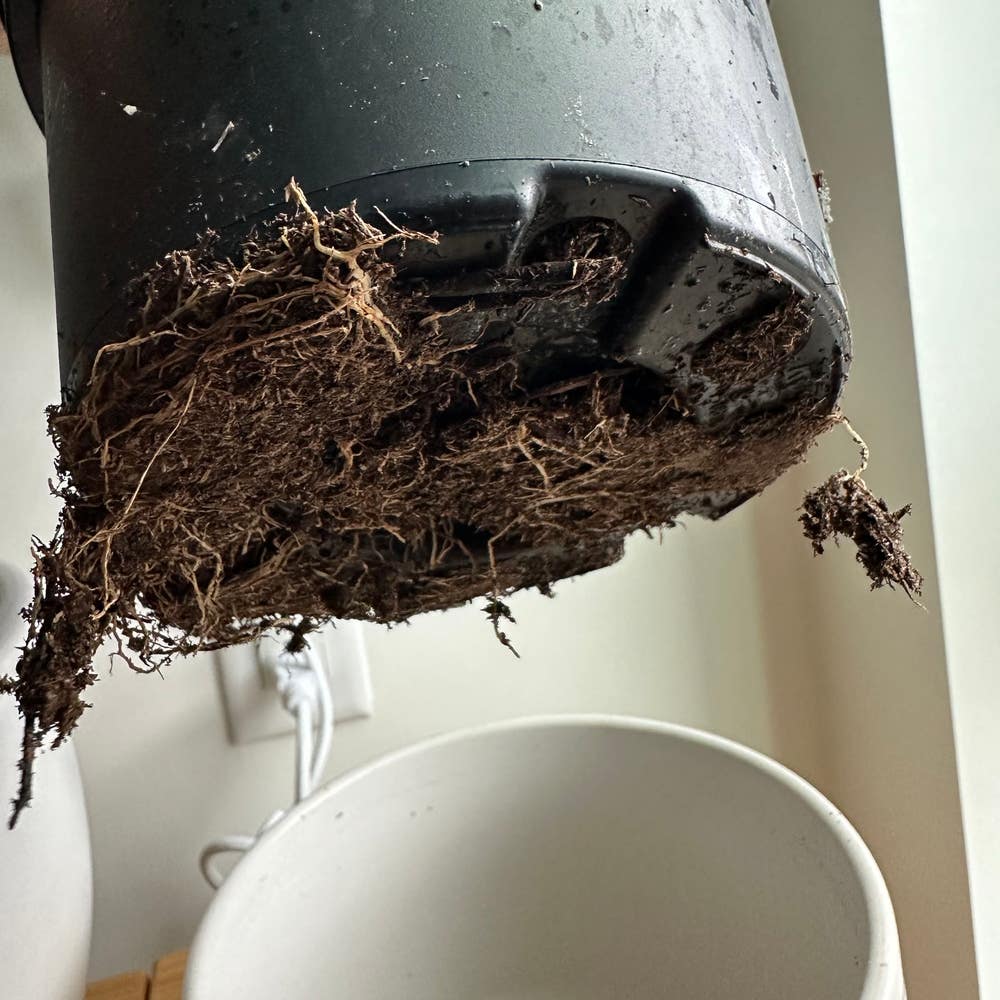
Overwatering is a common culprit behind leaf drop in your Aralia Fabian. Symptoms include yellowing leaves, wilting despite wet soil, and the dreaded root rot.
To prevent water accumulation, ensure your plant has well-draining soil. Regularly check soil moisture levels to avoid drowning your plant.
🚰 Under-watering and Its Symptoms
On the flip side, under-watering can also lead to leaf drop. Look for crispy, dry leaf edges, leaf curling or drooping, and soil pulling away from the pot edges.
For optimal moisture retention, aim to water your plant regularly, ensuring the soil stays adequately hydrated.
☀️ Insufficient Light Conditions
Your Aralia Fabian thrives in indirect sunlight for 6-8 hours daily. If it’s not getting enough light, you may notice stunted growth and leaf drop due to insufficient energy for photosynthesis.
Assess your indoor light exposure by observing how your plant reacts to its environment. A light meter can also help you gauge the conditions.
🌫️ High Humidity vs. Low Humidity
Humidity plays a crucial role in your plant's health, with optimal levels between 60-80%. Low humidity can lead to leaf curling and browning, making your plant more susceptible to pests.
Conversely, high humidity can cause mold growth on the soil surface and leaf spots or fungal issues. Monitor humidity levels to keep your Aralia Fabian happy.
🐛 Pest Infestations and Their Impact
Pests like spider mites, aphids, and mealybugs can wreak havoc on your plant. Signs of infestations include sticky residue on leaves and visible insects or webbing.
Regular pest inspections are essential to catch these issues early. Keeping an eye on your plant can save it from significant damage.
Understanding these causes of leaf drop will help you take proactive measures to keep your Aralia Fabian thriving. Next, we’ll explore how to diagnose leaf issues effectively.
Diagnosing Leaf Issues
🌱 Identifying Signs of Stress
When your Aralia Fabian shows signs of stress, it's crucial to act quickly. Look for common indicators such as leaf discoloration, drooping leaves, and stunted growth patterns.
💧 Assessing Soil Moisture Levels
Checking soil moisture is essential for maintaining plant health. Use the finger test by inserting your finger into the soil up to 2 inches, or utilize a soil moisture meter for a more accurate reading.
🐛 Checking for Pests and Diseases
Regular pest inspections can save your plant from significant damage. Examine the undersides of leaves and stems for pests, and look for signs of sticky residue or other damage.
☀️ Evaluating Light Exposure and Placement
Light conditions play a vital role in your plant's health. Assess current light exposure using a light meter or by observing how your plant behaves, and adjust its placement accordingly for optimal growth.
By diagnosing these issues early, you can take proactive steps to restore your Aralia Fabian's health and vitality. Next, let’s explore preventive measures to keep your plant thriving.
Preventive Measures
Proper Watering Techniques 🌊
Effective watering is crucial for your Aralia Fabian's health. Always water thoroughly until excess drains out, ensuring the roots receive adequate moisture.
Allow the top 1-2 inches of soil to dry between waterings. This practice prevents overwatering, which can lead to root rot and other issues.
Ideal Humidity Levels 💧
Maintaining the right humidity is essential for your plant's vitality. Consider using humidifiers or pebble trays to boost moisture levels in the air.
Grouping plants together can also create a microclimate, enhancing humidity naturally. This simple trick can make a significant difference in your plant's health.
Best Lighting Conditions for Growth 💡
Light is a key player in your plant's growth journey. If natural light falls short, using grow lights can provide the necessary boost.
Don't forget to rotate your plant regularly. This ensures even light exposure, promoting balanced growth and preventing lopsided leaves.
Soil Selection and Drainage Tips 🌱
Choosing the right soil mix is vital for your Aralia Fabian. A blend of peat, perlite, and orchid bark offers excellent drainage and aeration.
Always use pots with drainage holes to prevent water accumulation. Avoid compacted soil, as it can suffocate roots and hinder growth.
Regular Maintenance and Monitoring 🔍
Routine checks are your best defense against potential issues. Conduct weekly inspections for pests and moisture levels to catch problems early.
Monthly assessments of light conditions and overall plant health will keep your Aralia thriving. Staying proactive is the key to long-term success.
With these preventive measures in place, your Aralia Fabian will be well-equipped to flourish. Next, let’s explore treatment solutions for any existing issues.
Treatment Solutions
Adjusting Watering Schedules 🌧️
To keep your Aralia Fabian thriving, it's crucial to adjust your watering schedule based on the season. Monitor soil moisture regularly and use the Greg plant care app for timely reminders to ensure your plant gets just the right amount of water.
Increasing Humidity Levels 💦
Humidity plays a vital role in your plant's health. Boost humidity by misting the leaves regularly and placing water trays near the plant to create a more humid microenvironment.
Pest Control Methods 🐞
Pest infestations can wreak havoc on your Aralia Fabian. Combat these issues with insecticidal soap or neem oil, and consider introducing beneficial insects like ladybugs to help keep pests at bay.
Repositioning for Optimal Light Exposure ☀️
Light exposure is key to your plant's vitality. Gradually reposition your Aralia Fabian to ensure it acclimates to new light conditions, and closely observe how it responds to these changes.
Soil Amendments for Better Drainage 🪴
Proper drainage is essential for preventing root rot. Enhance your soil by adding perlite or sand, and if you suspect root rot, repot your plant with a fresh soil mix to promote healthier growth.
With these treatment solutions, your Aralia Fabian will be on the path to recovery. Next, let's explore how to monitor its progress effectively.
Post-Treatment Care
Monitoring Recovery Signs 🌱
After addressing the issues causing leaf drop, it's essential to monitor your Aralia Fabian for signs of recovery. Look for new leaf growth, which indicates that your plant is bouncing back.
Additionally, pay attention to the color and texture of the leaves. Improved vibrancy and firmness are positive indicators that your plant is regaining its health.
Adjusting Care Routine Based on Plant Response 🔄
Flexibility in your care routine is crucial during the recovery phase. Be prepared to modify your watering and humidity levels based on how your plant responds to treatment.
Documenting these changes can help you understand what works best for your Aralia Fabian. This record will be invaluable for future care.
Long-Term Care Strategies to Prevent Recurrence 🛡️
To prevent future leaf drop, establish a consistent care routine. Schedule regular watering and humidity checks to ensure your plant remains healthy.
Incorporate ongoing pest management and environmental assessments into your routine. This proactive approach will help maintain the vitality of your Aralia Fabian for years to come.
With these strategies in place, you'll be well-equipped to nurture your plant back to health and keep it thriving. Next, let's explore effective treatment solutions for any lingering issues.
⚠️ Safety First
This content is for general information and may contain errors, omissions, or outdated details. It is not medical, veterinary advice, or an endorsement of therapeutic claims.
Always consult a qualified healthcare professional before using any plant as food, medicine, or supplement.
Never eat any plant (or feed one to pets) without confirming its identity with at least two trusted sources.
If you suspect poisoning, call Poison Control (800) 222-1222, the Pet Poison Helpline (800) 213-6680, or your local emergency service immediately.
Spotted an error? Please report it here.
Keep your Aralia Fabian thriving 🌿 by mastering the balance of watering, light, and humidity with Greg's tailored care reminders that ensure your plant flourishes without leaf drop!