🔍 Determining What Might Be Eating Your Virginia Copperleaf
Acalypha virginica
By the Greg Editorial Team
Sep 30, 2024•7 min read
This article was created with the help of AI so we can cover more plants for you. May contain errors. See one? Report it here.
- 🌱 Virginia Copperleaf attracts herbivores like deer, rabbits, and squirrels—monitor closely!
- 🦌 Deer and rabbits cause significant damage; use repellents and fencing for protection.
- 🌿 Regular monitoring and preventive measures are key to maintaining healthy Virginia Copperleaf.
Description and Appeal
Appearance 🌿
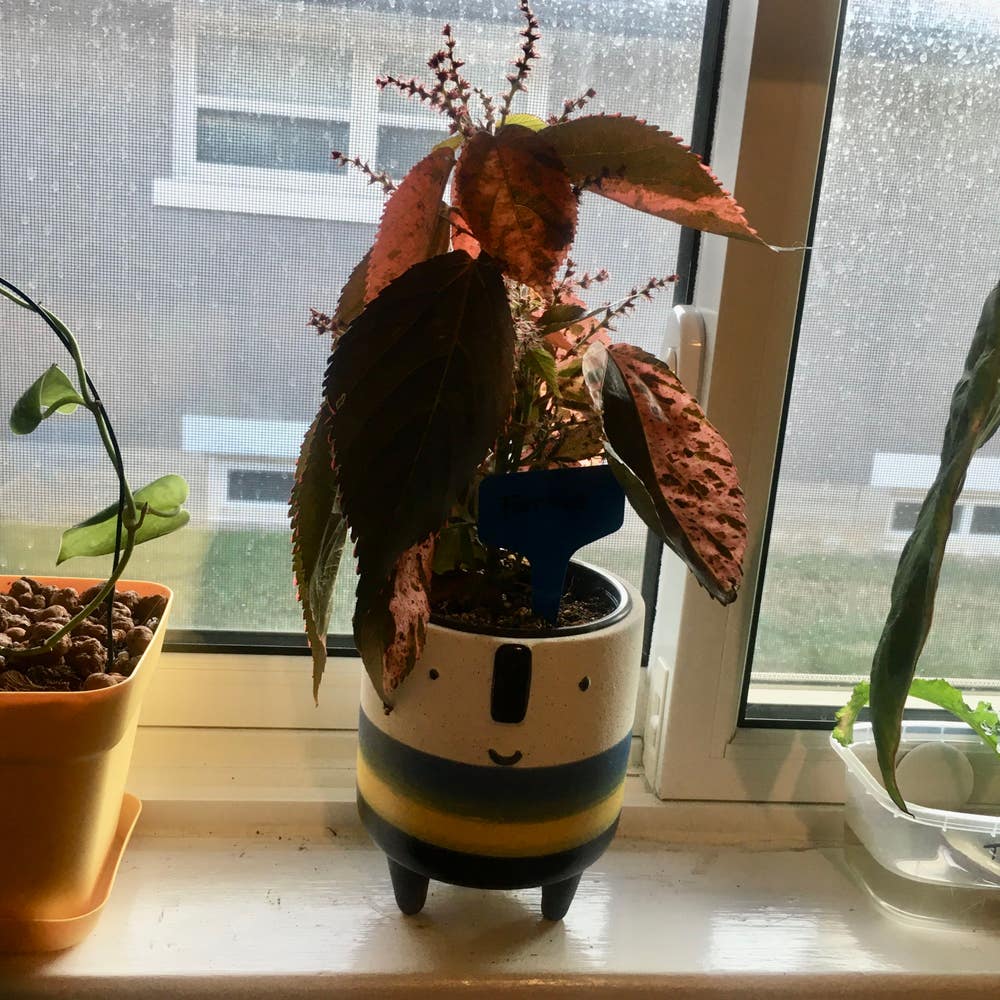
Virginia Copperleaf is a striking plant that typically grows between 1 to 3 feet tall. Its broad, ovate leaves feature serrated edges and a distinctive reddish tint, making it visually appealing.
The flowers are small and inconspicuous, clustered in spikes that may go unnoticed. This plant tends to form dense clumps, often thriving in disturbed areas and along roadsides, adding a touch of beauty to otherwise barren landscapes.
Most Appealing Parts to Animals 🐾
Herbivores find Virginia Copperleaf particularly enticing, especially its young shoots. These tender, nutritious shoots are a favorite among various animals looking for a quick snack.
The lush foliage serves as an ample food source, while the small, round fruits are nutrient-rich and attract a variety of wildlife. This combination of appealing features makes Virginia Copperleaf a significant player in its ecosystem, drawing both herbivores and beneficial insects alike.
Common Herbivores
🦌 Deer
Signs of Presence and Damage
Look for hoof prints in muddy areas, which indicate deer activity. You'll often find leaves and young shoots stripped away, typically at a height of 2-3 feet.
Impact
Deer can be generally harmful to your Virginia Copperleaf, potentially decimating populations if not managed effectively.
Deterrent Methods
To keep deer at bay, consider using commercial repellents with strong scents. Alternatively, planting garlic or scattering human hair around your garden can serve as organic deterrents.
🐇 Rabbits
Signs of Presence and Damage
Rabbits leave small, round prints in soft soil. They tend to cleanly cut stems and leaves, usually at a height of 1-2 inches.
Impact
Rabbits can cause significant plant damage, making them a concern for gardeners.
Deterrent Methods
Bitter-tasting sprays can act as chemical repellents. For an organic approach, install fencing that is 2-3 feet high and consider planting rabbit-resistant plants nearby.
🐿️ Squirrels
Signs of Presence and Damage
Look for gnaw marks on stems and leaves, as well as signs of digging around the base of the plant.
Impact
Squirrels can weaken plants through repeated damage, posing a risk to your Virginia Copperleaf.
Deterrent Methods
Capsaicin-based sprays can deter squirrels chemically. Installing squirrel-proof feeders can also distract them, serving as an organic solution.
🐦 Birds
Signs of Presence and Damage
Pecking marks on leaves and fruits are telltale signs of bird activity. Nesting nearby can lead to droppings on your plants.
Impact
Birds have a mixed impact; while some help control pests, others can cause damage to your plants.
Deterrent Methods
Non-toxic bird deterrent sprays can be effective. Additionally, employing scare tactics like reflective tape or wind chimes can help keep them away.
🐭 Rodents
Signs of Presence and Damage
Look for tunnels or burrows near the base of the plant, along with chewed leaves and stems.
Impact
Rodents can be generally harmful, causing significant damage to your plants.
Deterrent Methods
Rodent bait stations serve as chemical repellents. For an organic approach, trapping and utilizing natural predators, like barn owls, can be effective.
🦡 Groundhogs/Woodchucks
Signs of Presence and Damage
Large burrows near the plant indicate groundhog activity. They often graze on leaves and stems, leaving a clean cut.
Impact
Groundhogs can be particularly harmful, as they can completely strip plants if left unchecked.
Deterrent Methods
Commercial repellents specifically designed for groundhogs can be effective. Additionally, fencing that is 3-4 feet high and planting barriers of strong-smelling herbs can serve as organic deterrents.
Understanding these common herbivores is crucial for protecting your Virginia Copperleaf. By implementing effective deterrent methods, you can create a thriving environment for your plants while minimizing damage from unwanted visitors. Next, let’s explore the beneficial animals that can enhance your garden ecosystem.
Beneficial Animals
🐝 Description
Pollinators like bees and butterflies are drawn to the delicate flowers of Virginia Copperleaf. Their presence not only beautifies the garden but also plays a crucial role in the plant's reproductive success.
Predatory insects, such as ladybugs and lacewings, are nature's pest control agents. They feast on aphids and other harmful pests, helping to maintain a healthy ecosystem.
🌱 Positive Impacts
Supporting a variety of species enhances biodiversity in your garden. This diversity creates a more resilient environment, making it less susceptible to disease and pest outbreaks.
Natural pest control reduces the need for chemical interventions. By fostering beneficial animals, you can create a balanced ecosystem that thrives on its own.
Encouraging these helpful creatures not only benefits your plants but also contributes to the overall health of the environment. By understanding and nurturing these relationships, you can cultivate a thriving garden that attracts both beauty and utility.
As we explore further, let’s look at effective protection strategies to safeguard your plants from potential threats.
Protection Strategies
🛡️ Preventive Measures
Fencing is one of the most effective ways to keep larger herbivores at bay. Installing barriers that are at least 3-4 feet high can deter deer and groundhogs from munching on your Virginia Copperleaf.
Companion planting is another smart strategy. By using plants that either repel herbivores or attract beneficial insects, you can create a more balanced garden ecosystem.
⚠️ Reactive Solutions
Regular monitoring is crucial for early detection of animal activity. Keep an eye out for signs like tracks or chewed leaves to catch any issues before they escalate.
Once you notice damage, take immediate action. Implement deterrents quickly to minimize further harm to your plants.
🌱 Balancing Ecosystem Health
Understanding the role of herbivores in your garden is essential. Some level of damage can actually contribute to a healthy ecosystem, promoting biodiversity.
Encouraging beneficial interactions is equally important. By promoting the presence of helpful insects and animals, you can create a thriving environment that supports both your plants and local wildlife.
This approach not only protects your Virginia Copperleaf but also fosters a vibrant garden ecosystem.
Seasonal Considerations
Variations in Attraction 🦌
As the seasons change, so does the activity of herbivores around Virginia Copperleaf. In spring, these animals ramp up their foraging, drawn to the tender shoots that emerge after winter.
By summer, the plants enter their peak fruiting season, attracting not just herbivores but also birds and rodents eager for a nutritious snack. This is when you might notice increased activity around your plants.
In fall, animals prepare for winter, leading to heightened foraging behavior. They’re busy gathering food, which can mean more visits to your garden.
Timing of Vulnerability ⏳
The young growth stages of Virginia Copperleaf are particularly vulnerable during early spring. This is when the tender shoots are most appealing to hungry herbivores.
As the plants mature, they become less susceptible to damage. However, they still face risks during the fruiting phase, when the fruits attract various animals looking for a meal.
Understanding these seasonal patterns can help you anticipate and manage potential threats to your plants effectively.
Toxicity
Toxic Effects 🌿
Virginia Copperleaf exhibits mild toxicity, which can act as a double-edged sword in the garden. While it may deter some herbivores, it can also attract others that are unaffected, creating a complex dynamic in your landscape.
Symptoms in Affected Animals 🐾
Animals that consume the plant may experience mild gastrointestinal distress. This can manifest as discomfort or digestive issues, but it's generally not life-threatening.
Ecological Role 🌍
Despite its toxicity, Virginia Copperleaf plays a vital role in the ecosystem. It provides food for both beneficial and harmful herbivores, contributing to the food web.
Habitat 🏡
Additionally, this plant offers shelter and nesting sites for various wildlife species. Its presence supports biodiversity, making it a valuable component of natural habitats.
Understanding the balance between toxicity and ecological benefits can help you appreciate the role of Virginia Copperleaf in your garden. As we explore protection strategies next, consider how to manage both the challenges and advantages this plant presents.
⚠️ Safety First
This content is for general information and may contain errors, omissions, or outdated details. It is not medical, veterinary advice, or an endorsement of therapeutic claims.
Always consult a qualified healthcare professional before using any plant as food, medicine, or supplement.
Never eat any plant (or feed one to pets) without confirming its identity with at least two trusted sources.
If you suspect poisoning, call Poison Control (800) 222-1222, the Pet Poison Helpline (800) 213-6680, or your local emergency service immediately.
Spotted an error? Please report it here.
Keep your Virginia Copperleaf thriving 🌱 by using Greg's tailored care tips and reminders to fend off pesky herbivores and protect your garden effortlessly!