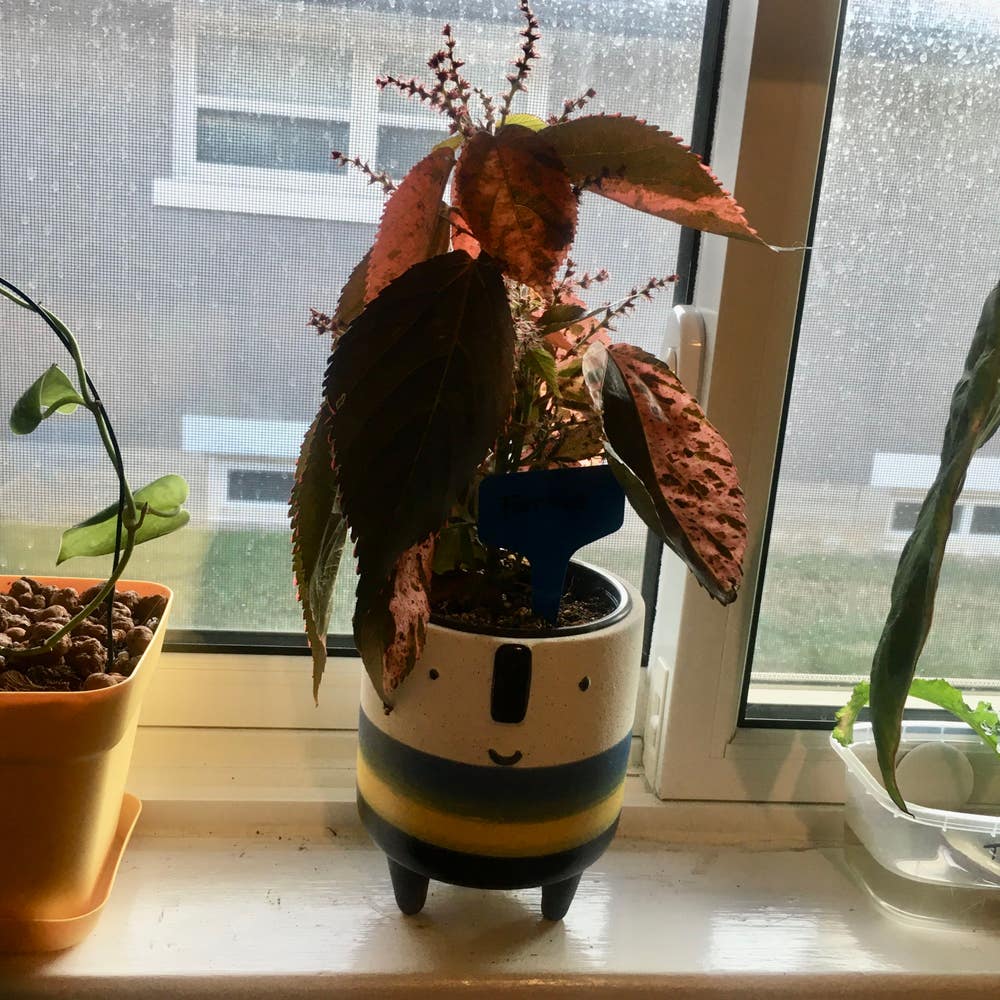
How Do I Cure Virginia Copperleaf Root Rot?
Acalypha virginica
By the Greg Editorial Team
Feb 05, 2024•4 min read
This article was created with the help of AI so we can cover more plants for you. May contain errors. See one? Report it here.
- Wilting and yellowing leaves signal root rot; foul soil odor confirms it.
- Prune damaged roots and adjust watering to save the plant.
- Prevent future rot with proper soil, pots, and consistent climate control.
Spotting the Red Flags: Symptoms of Root Rot in Virginia Copperleaf
🚩 Visual Symptoms and Immediate Actions
When your Virginia Copperleaf starts to wilt and leaves turn yellow, it's not just throwing a tantrum – it's in distress. If there's a foul odor emanating from the soil, it's a clear signal: root rot may be the culprit.
Stop watering immediately. Overly wet conditions are a root rot paradise. Remove any saucers holding excess water; they're not helping. If your plant's leaves droop despite the soil being wet, it's a glaring red flag.
🕵️ Beyond the Surface: Checking the Roots
To confirm your suspicions, you'll need to play plant detective. Gently remove the plant from its pot and inspect the roots. Healthy roots should be firm and white, not brown and mushy like overcooked noodles.
If you find that the damage is less than half of the root system, there's hope for recovery. More than that, and you're in for a real challenge. It's decision time: can this plant be saved, or is it time to say goodbye?
Emergency Response: Saving Your Copperleaf from Root Rot
🌊 Drying Out: Soil and Water Management
Overwatering is often the culprit behind root rot. Immediately adjust your watering habits; only water when the top inch of soil feels dry. If you're unsure, stick a finger in the soil. If it clings to your skin, hold off on the H2O.
Revise your soil mix to improve drainage. A blend with perlite or coarse sand can be a game-changer, ensuring excess water has an escape route. Remember, soggy soil is a no-go.
✂️ Surgical Strikes: Pruning to Preserve
Grab your sterilized shears; it's time for a root intervention. Snip away the blackened, mushy roots until you're left with nothing but healthy, white ones. It's a delicate dance between being thorough and preserving as much of the root system as possible.
Post-trim, treat the remaining roots with a copper-based fungicide. Follow the instructions to the letter—overdoing it can backfire. Then, cut back the foliage to match the reduced root system. If you've removed a third of the roots, say goodbye to a third of the leaves. It's a tough-love approach that encourages recovery.
Remember, these steps are not just about survival; they're about setting the stage for a comeback.
Fortifying the Fortress: Long-Term Prevention Strategies
💧 Water Wisdom: Mastering Moisture Control
Crafting a tailored watering schedule is crucial. Your Virginia Copperleaf doesn't need a flood; it craves consistency. Water deeply, but only when the soil feels like a dry sponge—top inch bone dry. Use a moisture meter if you're not into the whole finger-test thing. It's like having a backstage pass to your plant's hydration status.
🛠️ Tools and Techniques for Moisture Monitoring
Get your hands on a moisture meter; it's the secret weapon in your plant care arsenal. Alternatively, the classic finger test doesn't cost a dime. Remember, your plant's thirst varies with the seasons, so adjust your watering rhythm accordingly. It's about being in tune, not on autopilot.
🌱 The Right Foundation: Soil and Pot Selection
Choosing the ideal soil mix is like picking the right shoes for a marathon—comfort is key. Mix in perlite or coarse sand to make it fluffy. Think of it as giving your plant's roots room to breathe.
🍃 Selecting Pots That Promote Healthy Drainage
Drainage holes in pots are non-negotiable; they're the escape route for excess water. Terracotta or ceramic pots are the VIPs of the pot world—they let the soil breathe, reducing moisture mayhem. Keep those holes clear—no one likes a blocked exit.
Creating an Unwelcoming Environment for Root Rot
🌡️ Climate Control: Temperature and Humidity
Virginia Copperleaf thrives in a Goldilocks climate—not too hot, not too cold, and with just-right humidity. Maintain indoor humidity around 60% to mimic the plant's natural environment without inviting fungal growth. Use a hygrometer to monitor levels and adjust with dehumidifiers or humidifiers as necessary. Remember, consistency is your plant's best friend.
💨 Airflow and Cleanliness: Keeping Fungi at Bay
Air circulation is non-negotiable. A gentle fan or a strategic window crack can prevent air from going stale, which is like a red carpet for fungal infections. Keep your plant's area free of debris and fallen leaves, and sanitize your tools regularly—think of it as good hygiene for your plant. Avoid overcrowding; give your Copperleaf its personal space to ensure airflow reaches every leaf and root.
⚠️ Safety First
This content is for general information and may contain errors, omissions, or outdated details. It is not medical, veterinary advice, or an endorsement of therapeutic claims.
Always consult a qualified healthcare professional before using any plant as food, medicine, or supplement.
Never eat any plant (or feed one to pets) without confirming its identity with at least two trusted sources.
If you suspect poisoning, call Poison Control (800) 222-1222, the Pet Poison Helpline (800) 213-6680, or your local emergency service immediately.
Spotted an error? Please report it here.
Banish root rot 🚫 in your Virginia Copperleaf by following these recovery tips and letting Greg tailor a watering plan that ensures your plant's health and happiness.