Virginia Copperleaf Growth: Height vs. Width
Acalypha virginica
By the Greg Editorial Team
Sep 30, 2024•4 min read
This article was created with the help of AI so we can cover more plants for you. May contain errors. See one? Report it here.
- 🌱 Virginia Copperleaf grows 1-3 feet tall and 1-2 feet wide, influenced by environment.
- 🌞 Optimal growth requires nutrient-rich, well-drained soil and adequate sunlight exposure.
- ✂️ Regular pruning every 4-6 weeks promotes healthier, bushier Virginia Copperleaf plants.
Growth Characteristics
Mature Height and Width 🌱
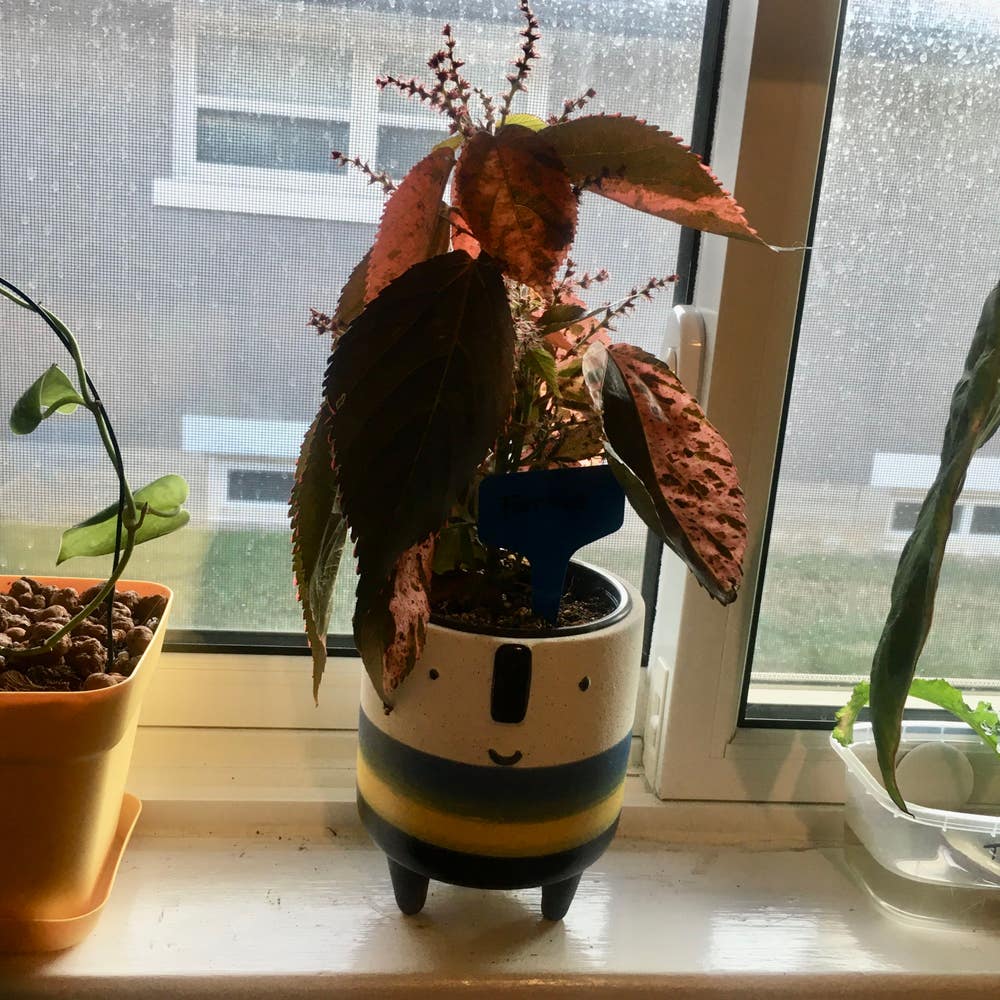
Virginia Copperleaf typically reaches a mature height of 1 to 3 feet and a width of 1 to 2 feet. These dimensions can vary significantly based on two main factors: the plant's genetic predisposition and the environmental conditions it experiences.
Growth Rate and Time to Maturity ⏳
The average growth rate of Virginia Copperleaf can vary widely depending on its surroundings. Generally, it takes about 1 to 2 growing seasons to reach full size, influenced by factors such as soil quality, nutrient availability, sunlight exposure, and moisture levels.
Size Variability Based on Conditions 🌍
Size variability in Virginia Copperleaf is largely driven by environmental factors. For instance, plants grown in rich, well-drained soil tend to thrive, while those in poor soil conditions may experience stunted growth.
- Examples of Variability:
- In nutrient-rich environments, plants can reach their maximum height and width.
- Conversely, limited sunlight or poor soil can lead to smaller dimensions.
Understanding these growth characteristics helps gardeners optimize conditions for their Virginia Copperleaf, ensuring vibrant and healthy plants. As we explore the different varieties, we’ll see how these factors play a crucial role in their growth potential.
Varieties and Their Growth Potential
🌱 Dwarf Varieties and Their Characteristics
Dwarf varieties of Virginia Copperleaf typically reach a height of up to 1 foot. These compact plants exhibit a bushy growth habit, with vibrant foliage that adds charm to any garden.
Ideal conditions for dwarf varieties include well-drained soil and consistent moisture. They thrive in environments that provide adequate nutrients without becoming waterlogged.
🌳 Giant Varieties and Their Growth Potential
On the other end of the spectrum, giant varieties can exceed heights of 3 feet. These impressive plants often feature unique growth patterns and larger foliage, making them standout specimens in any landscape.
To support the growth of giant varieties, nutrient-rich environments and ample sunlight are essential. Providing these conditions can lead to robust, healthy plants that truly make a statement.
As you explore the different varieties of Virginia Copperleaf, consider how their unique characteristics can fit into your gardening plans. Next, we’ll delve into how you can control the size of these plants through effective pruning techniques.
Controlling Size Through Pruning
✂️ Pruning Techniques for Size Management
Pruning is essential for managing the size of Virginia Copperleaf. One effective method is pinching back the tips, which encourages a bushier growth habit.
Additionally, thinning out crowded areas promotes better airflow, reducing the risk of disease. This technique helps maintain a healthy plant while controlling its dimensions.
To achieve optimal results, use clean, sharp pruning shears. Proper tools make the process smoother and ensure clean cuts, which are vital for plant health.
⏰ Timing and Frequency of Pruning
Timing is crucial when it comes to pruning Virginia Copperleaf. The best time to prune is early spring, just before new growth begins, allowing the plant to thrive.
Mid-summer is also a good time for maintenance pruning. This helps keep the plant in check and encourages continued growth.
Aim to prune every 4-6 weeks during the growing season. Regular pruning not only controls size but also promotes a fuller, healthier plant.
With these techniques and timing in mind, you can effectively manage the size of your Virginia Copperleaf. This will ensure it remains a vibrant addition to your garden, setting the stage for the next topic on comparative growth analysis.
Comparative Growth Analysis
Comparison of Growth in Different Environments 🌍
The growth of Virginia Copperleaf can vary significantly based on soil type. In sandy soils, the plant may struggle due to poor nutrient retention, often resulting in stunted growth.
Conversely, loamy soils provide a balanced mix of drainage and nutrient availability, promoting healthier and more robust plants. This difference can lead to noticeable variations in height and width.
Urban and rural settings also play a crucial role in growth. Urban areas often have limited soil quality and moisture retention, which can hinder plant development.
In contrast, rural environments typically offer richer soil and better moisture conditions, allowing Virginia Copperleaf to thrive and reach its full potential.
Case Studies of Size Variability in Different Regions 📊
Virginia Copperleaf exhibits fascinating growth patterns across diverse climates. In humid regions, the plant tends to flourish, often reaching its maximum height and width due to ample moisture and nutrient availability.
On the other hand, in arid regions, growth can be significantly restricted. Limited water resources and harsher conditions can lead to smaller plants, showcasing the adaptability of Virginia Copperleaf to varying environments.
These case studies highlight the importance of local conditions in determining plant dimensions. Observations reveal that even slight changes in climate can lead to significant differences in growth, emphasizing the need for tailored care based on specific environmental factors.
As we delve deeper into the varieties of Virginia Copperleaf, understanding these growth dynamics will help you choose the right type for your garden.
⚠️ Safety First
This content is for general information and may contain errors, omissions, or outdated details. It is not medical, veterinary advice, or an endorsement of therapeutic claims.
Always consult a qualified healthcare professional before using any plant as food, medicine, or supplement.
Never eat any plant (or feed one to pets) without confirming its identity with at least two trusted sources.
If you suspect poisoning, call Poison Control (800) 222-1222, the Pet Poison Helpline (800) 213-6680, or your local emergency service immediately.
Spotted an error? Please report it here.
Unlock the full potential 🌿 of your Virginia Copperleaf with Greg's tailored care tips and reminders, ensuring it thrives in the best conditions possible!