Virginia Copperleaf Is a Garden Plant, Not a Weed 🥄
Acalypha virginica
By the Greg Editorial Team
Sep 30, 2024•5 min read
This article was created with the help of AI so we can cover more plants for you. May contain errors. See one? Report it here.
- 🌱 Virginia Copperleaf is a garden plant, enhancing aesthetics without being invasive.
- 🐝 Attracts beneficial insects like bees and butterflies, supporting local ecosystems.
- 🌿 Improves soil health and thrives in various conditions, making it low-maintenance.
Plant Classification
Definition of Invasive Species 🌱
Invasive species are plants that exhibit certain characteristics making them problematic in their environments. They typically show rapid growth and spread, outcompete native species, and negatively impact local ecosystems.
Why Virginia Copperleaf is Not Invasive 🌼
Virginia Copperleaf stands out with its moderate growth rate, usually reaching heights of 1-3 feet. While it does self-seed, it doesn't aggressively invade or dominate garden spaces, allowing for a balanced ecosystem.
This plant is also compatible with other flora, coexisting harmoniously without overshadowing native plants. Its presence can enhance your garden without the worry of it becoming a nuisance.
Understanding these traits helps gardeners appreciate Virginia Copperleaf as a valuable addition rather than a threat. As we explore its growth habits next, you'll see how it contributes positively to garden aesthetics and biodiversity.
Growth Habits
Typical Growth Patterns in Gardens 🌱
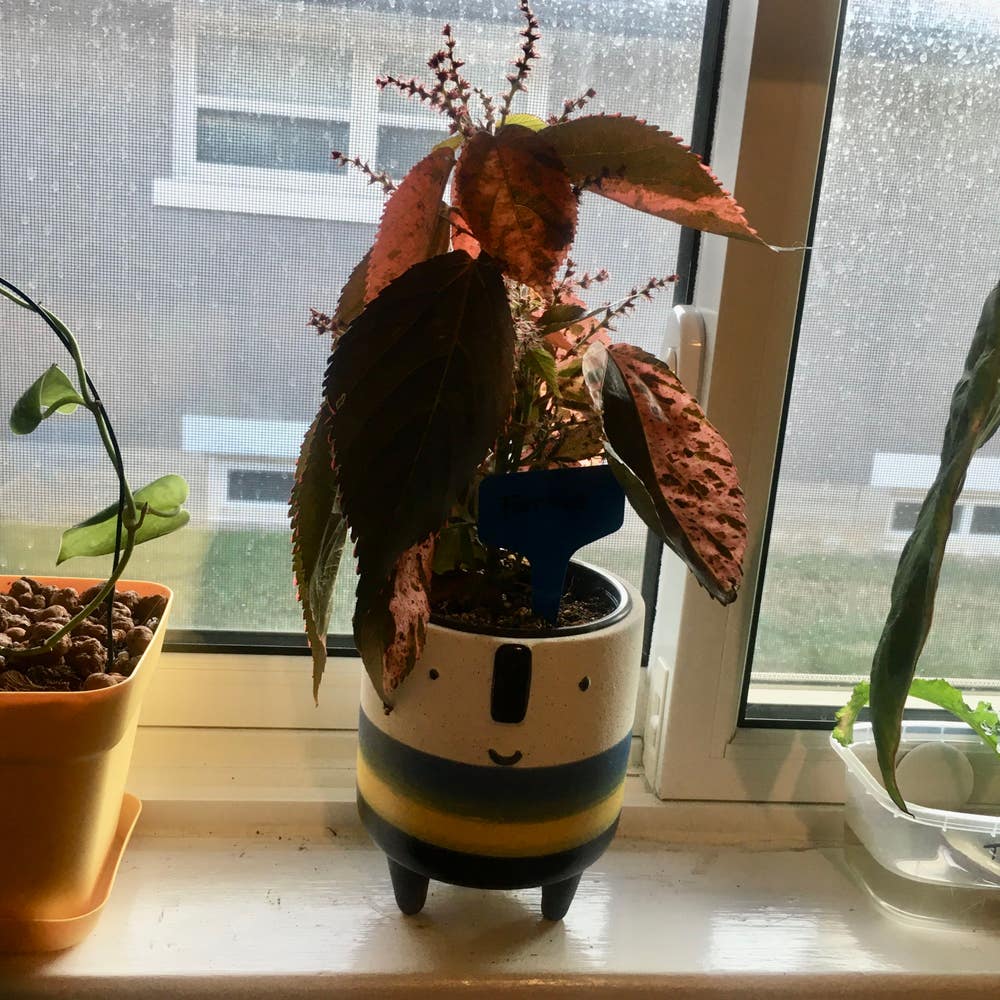
Virginia Copperleaf boasts a bushy growth habit, forming dense clumps that add visual interest to any garden. This plant is particularly vibrant during spring and summer, showcasing its lush foliage before dying back in winter.
Natural Limits to Growth and Spread Potential 🌍
This adaptable plant thrives in various soil types but prefers well-drained conditions for optimal growth. However, its spread can be limited by extreme environmental factors, such as drought or flooding, ensuring it remains manageable in your garden.
Conclusion
Understanding the growth habits of Virginia Copperleaf helps gardeners appreciate its role in the landscape. With its unique characteristics, it can be a valuable addition to your garden design, seamlessly transitioning into the next section on its ecological role.
Ecological Role
Benefits to Local Ecosystems 🌼
Virginia Copperleaf is a true ally in the garden, attracting beneficial insects like bees and butterflies. These pollinators thrive on its flowers, making it a vital food source that supports local ecosystems.
Additionally, this plant provides essential habitat for local wildlife. By offering shelter, it enhances biodiversity, creating a thriving environment for various species.
Positive Interactions with Wildlife and Other Plants 🐝
Virginia Copperleaf fosters symbiotic relationships with a range of beneficial insects. It coexists harmoniously with other native plants, contributing to a balanced ecosystem.
Moreover, it plays a significant role in improving soil health. Through its organic matter, it enhances soil structure and fertility, making it a valuable addition to any garden.
Incorporating Virginia Copperleaf not only beautifies your space but also enriches the local environment. As we explore garden management next, consider how this plant can fit into your design while supporting nature.
Garden Management
Methods for Incorporating Virginia Copperleaf into Garden Designs 🌿
Virginia Copperleaf is a fantastic addition to any garden, especially in naturalistic or native plant settings. Its moderate growth and bushy habit enhance biodiversity, making it a visually appealing choice.
Companion planting is another effective strategy. Pairing Virginia Copperleaf with other native species creates a balanced ecosystem, fostering a harmonious garden environment.
Considerations for Controlling Growth for Aesthetics ✂️
To maintain the desired shape and size of Virginia Copperleaf, regular pruning is essential. This not only keeps the plant looking tidy but also encourages healthy growth.
Monitoring its self-seeding behavior is crucial as well. Keeping an eye on its spread helps prevent unwanted proliferation, ensuring your garden remains well-organized and visually appealing.
Incorporating Virginia Copperleaf into your garden can be both rewarding and manageable. With the right strategies, you can enjoy its beauty while maintaining a thriving ecosystem.
Next, let’s explore the unique ecological role of Virginia Copperleaf and its benefits to local wildlife.
Comparison to Other Plants
🌱 Similar Non-Invasive Plants
When considering non-invasive options for your garden, Virginia Copperleaf stands out alongside other native plants. Two excellent examples are Common Milkweed and Wild Bergamot.
- Common Milkweed: Known for attracting monarch butterflies, this plant thrives in sunny areas and contributes to pollinator health.
- Wild Bergamot: With its fragrant blooms, it not only beautifies gardens but also draws in bees and hummingbirds.
These plants share the non-invasive trait, making them great companions for Virginia Copperleaf.
🌟 Unique Qualities of Virginia Copperleaf
Virginia Copperleaf brings its own unique flair to the garden. Its distinctive heart-shaped leaves create a visually appealing texture that enhances any landscape.
Moreover, its moderate growth means it won't overpower your garden. Unlike many aggressive native plants, it offers a manageable option that allows for a harmonious garden environment.
Incorporating Virginia Copperleaf alongside these other plants can lead to a vibrant, diverse garden that supports local ecosystems.
As we explore the next section, consider how these plants can work together to create a thriving habitat.
Legal and Environmental Considerations
🌱 Relevant Classifications and Guidelines
When incorporating Virginia Copperleaf into your garden, it's essential to check local regulations regarding native plant cultivation. Many states have specific guidelines to ensure that beneficial species like Virginia Copperleaf are promoted rather than restricted.
This plant is recognized for its conservation status as a beneficial native species. Understanding these classifications helps you appreciate its role in the ecosystem and ensures compliance with local environmental policies.
🌍 Role in Sustainable Gardening Practices
Virginia Copperleaf plays a vital role in promoting biodiversity. By supporting local ecosystems and wildlife, it enhances the overall health of your garden.
Additionally, this plant is low maintenance once established. Its resilience aligns perfectly with sustainable gardening principles, allowing you to enjoy a thriving garden with minimal intervention.
Incorporating Virginia Copperleaf not only beautifies your space but also contributes positively to the environment. As you plan your garden, consider how this plant can fit into your sustainable gardening practices.
With these considerations in mind, let's explore how to effectively manage Virginia Copperleaf in your garden.
⚠️ Safety First
This content is for general information and may contain errors, omissions, or outdated details. It is not medical, veterinary advice, or an endorsement of therapeutic claims.
Always consult a qualified healthcare professional before using any plant as food, medicine, or supplement.
Never eat any plant (or feed one to pets) without confirming its identity with at least two trusted sources.
If you suspect poisoning, call Poison Control (800) 222-1222, the Pet Poison Helpline (800) 213-6680, or your local emergency service immediately.
Spotted an error? Please report it here.
Transform your garden with the eco-friendly charm of Virginia Copperleaf 🌿, and let Greg guide you with tailored care tips to ensure a thriving, vibrant ecosystem!