Why Are There Brown Spots on My Virginia Copperleaf Leaves?
Acalypha virginica
By the Greg Editorial Team
Jun 18, 2024•4 min read
This article was created with the help of AI so we can cover more plants for you. May contain errors. See one? Report it here.
- Overwatering and pests are common causes of brown spots on leaves.
- Fungal infections need quick action with the right fungicide.
- Regular inspections and balanced nutrients prevent brown spot woes.
Spotting the Trouble: Recognizing Brown Spots
🚩 Visual Symptoms of Brown Spots
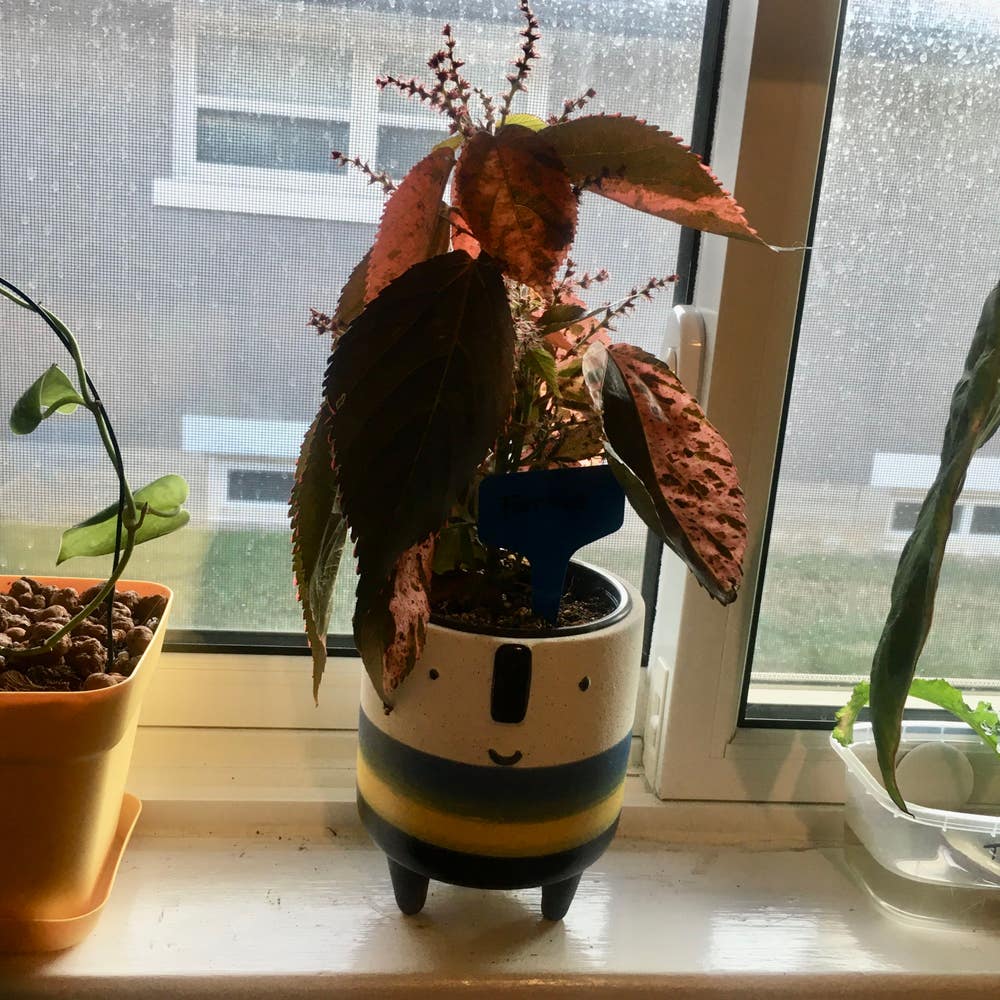
Brown spots on Virginia Copperleaf are like red flags; they demand attention. Tiny dots or large splotches can appear anywhere on the leaf, from the center to the edges. Uniform discoloration might just be the plant aging gracefully, but isolated spots are often a cry for help.
📈 Progression and Impact on Plant Health
Left unchecked, these spots can turn a minor issue into a plant health crisis. The progression from small speckles to larger blotches can hinder the plant's ability to photosynthesize, sapping its vigor. Regular inspections are crucial; catching these spots early can be the difference between a quick fix and a lengthy recovery.
Unearthing the Culprits: Causes of Brown Spots
💦 Too Much Love: Overwatering Woes
Overwatering is like a helicopter parent for plants—it means well but can smother. Your Virginia Copperleaf's roots need to breathe, not swim. Soggy soil is a no-no; it invites all sorts of fungal party crashers that leave those dreaded brown spots.
🐜 Uninvited Guests: Pests and Their Telltale Signs
Flip those leaves and meet the pests—thrips, spider mites, and their ilk. They're tiny, but their appetite for destruction is huge, leaving behind a trail of brown spots as souvenirs of their feast.
🍄 Fungal Foes: Identifying Leaf Spot Diseases
Fungi are the uninvited guests that never leave. Brown spots with a halo? Classic sign of a fungal shindig. These spots can start small but watch out—they're social and love to spread.
🌿 Nutrient Know-How: Deficiencies and Excesses
Nutrients can be a balancing act. Too little, and your plant throws a brown spot tantrum. Too much, and it's just as dramatic. Aim for the Goldilocks zone of nutrient balance to keep those leaves spotless.
Crafting the Cure: Tailored Treatments for Brown Spots
💧 Drying Out: Watering Adjustments
Adjusting your watering habits is crucial. Overwatering is often the villain behind brown spots. Ensure the soil is dry to the touch before giving your Virginia Copperleaf another drink.
🦠 Fungus Among Us: Choosing the Right Fungicide
Select a fungicide with the precision of a chess master. Copper-based options are a good start, but rotate products to prevent resistance. Always follow the label—this isn't the time for improvisation.
🐜 Bug Off: Effective Pest Control Tactics
Pests can be persistent freeloaders. Introduce natural predators like ladybugs, or use neem oil for an organic approach. For a more direct hit, insecticidal soaps or oils can be effective, but remember, the aim is to evict, not annihilate.
🌱 Feeding Your Plant: Balancing Nutrients
Nutrient imbalance can manifest as brown spots. Use a balanced, water-soluble fertilizer, and consider foliar feeding for a quick fix. Organic options like compost enrich the soil without the risk of nutrient burn.
Stopping Spots Before They Start: Prevention Strategies
💧 Water Wisdom: Perfecting Your Watering Technique
Watering your Virginia Copperleaf isn't about sticking to a strict schedule. It's about observing the soil's moisture level and acting accordingly. Let the topsoil dry before you consider reaching for the watering can. This approach is crucial in preventing those dreaded brown spots.
👀 Vigilant Plant Parenting: Regular Inspections
Regular check-ups are your best defense against brown spots. Inspect your plant like it's under a magnifying glass, looking for the slightest signs of distress. Early morning watering is ideal, as it allows leaves to dry throughout the day, reducing the risk of fungal infections. Remember, precision is key—avoid turning your plant into a splash zone.
🌱 Soil and Feed: Ensuring Optimal Conditions
The right soil and nutrients can make all the difference. Ensure your Virginia Copperleaf is planted in well-draining soil and fed with the right balance of nutrients. Overfeeding is just as harmful as neglect, so keep it balanced. Cleanliness is also part of prevention—sterilize your tools and pots to keep diseases at bay.
⚠️ Safety First
This content is for general information and may contain errors, omissions, or outdated details. It is not medical, veterinary advice, or an endorsement of therapeutic claims.
Always consult a qualified healthcare professional before using any plant as food, medicine, or supplement.
Never eat any plant (or feed one to pets) without confirming its identity with at least two trusted sources.
If you suspect poisoning, call Poison Control (800) 222-1222, the Pet Poison Helpline (800) 213-6680, or your local emergency service immediately.
Spotted an error? Please report it here.
Banish brown spots and keep your Virginia Copperleaf flourishing 🌿 with Greg's tailored watering schedules and real-time plant health diagnostics.