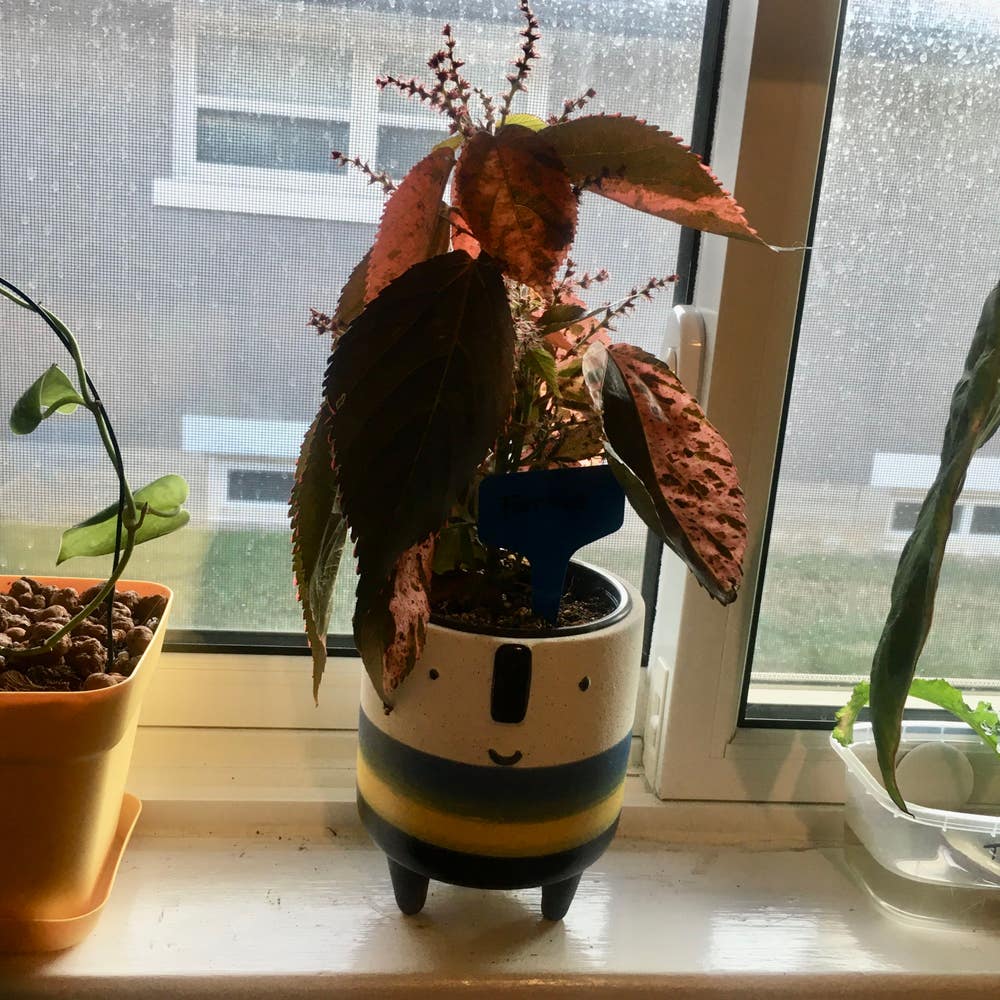
Should I Repot My Virginia Copperleaf And If So, How?
Acalypha virginica
By the Greg Editorial Team
Jun 18, 2024•5 min read
This article was created with the help of AI so we can cover more plants for you. May contain errors. See one? Report it here.
- Roots peeking out? Time to repot for plant health.
- 🌱 Choose terracotta for roots, one size larger pot.
- Post-repot care: Stable temps, indirect light, monitor stress.
Spotting the Tell-Tale Signs It's Time to Repot
🌱 Root Talk: When Roots Take Over the Joint
Roots should stay out of sight, underground. If they're peeking out of drainage holes or forming a dense mat on the soil surface, they're screaming for a new place to stretch.
💧 Thirsty Much? Water Drainage Woes
Water should meander through the soil, not race through like it's on a mission. If your watering routine feels like a pointless endeavor, it's a sign the roots have taken over the real estate meant for soil.
🌱 The Slow Grow: Recognizing Stunted Growth
When your Virginia Copperleaf's growth hits a standstill, it's not just taking a break. It's likely cramped and begging for a bigger pot to call home.
🌷 Seasonal Timing: Aligning Repotting with Growth Cycles
Spring is the season of new beginnings, and the perfect time to repot. Don't wait until your plant's growth spurt is over; give it the space it needs when it's most eager to grow.
Prepping for the Big Move: Repotting Essentials
🌱 Choosing a New Pot
Size matters when selecting a new pot for your Virginia Copperleaf. You want one that's the Goldilocks of containers: not too big, not too small, but just right. Typically, a pot that's one size larger than the current one hits the sweet spot, allowing room for growth without giving the roots too much space to throw a wild party.
When it comes to materials, it's a showdown between terracotta, plastic, and ceramic. Terracotta is like the breathable cotton of the plant world, allowing air and water to pass through its walls, promoting healthy root growth and preventing waterlogging. Plastic is the low-maintenance friend, lightweight and moisture-retentive, ideal for the forgetful waterer. Ceramic pots, meanwhile, are the stylish ones of the bunch, but make sure they have drainage holes or you'll be swimming in soggy soil issues.
🌿 The Right Soil for Success
A good potting mix is like a comfy bed for your plant's roots. You're aiming for a mix that's the life of the party: well-draining, nutrient-rich, and slightly acidic. A blend of peat, pine bark, and perlite usually does the trick, keeping things light and airy.
pH and aeration are the unsung heroes of the root world. Your Virginia Copperleaf isn't too fussy, but it appreciates a pH that leans towards the acidic side. Just like us after a big meal, roots need room to breathe, so ensure your mix doesn't suffocate them. If you're mixing your own, think of it as crafting a gourmet meal rather than slapping together a fast-food snack.
The Repotting Rundown: A Step-by-Step Guide
🌱 Out with the Old
Gentle Extractions
Wiggle the pot before you jiggle the plant. Squeeze the sides and tap the base to coax your Virginia Copperleaf out without a wrestling match. Once free, shake off the old soil like you're dusting off a relic, but with a gentler touch.
Root Inspection
Inspect the roots as if they're telling you a story. Look for firm and white—signs of good health. If you spot any roots that look like they've been through a horror movie, it's time to trim. No mercy for the dead or suspicious ones.
🌿 In with the New
Home Sweet Home
Place your plant in its new abode, ensuring it sits at the same depth as before. Fill around with soil, tap the pot to settle, but don't pack it down like you're loading a cannon.
The First Drink
Water your plant to help it settle in, but don't turn it into a swamp creature. Aim for moist, not drenched. After the initial watering, let your plant throw a housewarming party for its roots before the next drink.
Post-Repotting Care: Helping Your Plant Settle In
🏥 The Recovery Room: Ideal Conditions for Acclimation
After the big move, your Virginia Copperleaf needs a stress-free zone. Keep it in a place with stable temperatures and gentle, indirect sunlight. Think of it as a plant ICU where peace and quiet reign supreme.
👀 Watchful Eyes: Monitoring for Stress and Growth
Vigilance is your new best friend. Look out for droopy leaves or a general aura of plant despair. These are your plant's way of waving a white flag. Adjust your care accordingly, whether that means tweaking the watering schedule or finding a better lit nook.
Initial Positioning
Avoid the drama of direct sunlight and drafts. Your plant's more sensitive than a sunburnt tourist now, so a spot with indirect light and protection from the elements will ease its transition.
Addressing Repotting Concerns
If your plant looks sadder than a rained-out parade, don't panic. It's all about the gentle touch—adjust your care routine like you're turning the knobs on a safe.
Monitoring New Growth
Keep an eye out for new shoots; it's like your plant's way of texting you an "all good" emoji. Once you see these, you know it's on the mend. If you spot damaged or excessive growth, prune it. It's like helping your plant lose the deadweight to focus on the comeback.
Ongoing Care Tips
Remember, recovery is a marathon, not a sprint. With patience and careful attention, your Virginia Copperleaf will bounce back, ready to strut its stuff. Keep the soil well-draining and the pot breathable. It's like making sure your plant's got comfy shoes for the journey ahead.
Acclimatizing Your Plant
Shield it from harsh sunlight by placing it in a spot with indirect light. Consistency is key; don't shuffle it around too much. Plants crave stability, just like that favorite spot on your couch.
Monitoring and Adjusting
A little droopiness is normal, but if your plant is still looking gloomy after a week, it's intervention time. Yellow or brown leaves are your cue that something's off. If the soil feels like a swamp, ease up on the watering. If it's drier than a stand-up comedian, it's time to up your watering game. Rotate the pot occasionally to promote even growth and prevent your plant from getting a lopsided 'do.
⚠️ Safety First
This content is for general information and may contain errors, omissions, or outdated details. It is not medical, veterinary advice, or an endorsement of therapeutic claims.
Always consult a qualified healthcare professional before using any plant as food, medicine, or supplement.
Never eat any plant (or feed one to pets) without confirming its identity with at least two trusted sources.
If you suspect poisoning, call Poison Control (800) 222-1222, the Pet Poison Helpline (800) 213-6680, or your local emergency service immediately.
Spotted an error? Please report it here.
Ease your Virginia Copperleaf into a spacious new pot 🌿 with Greg's personalized care reminders for a seamless transition.