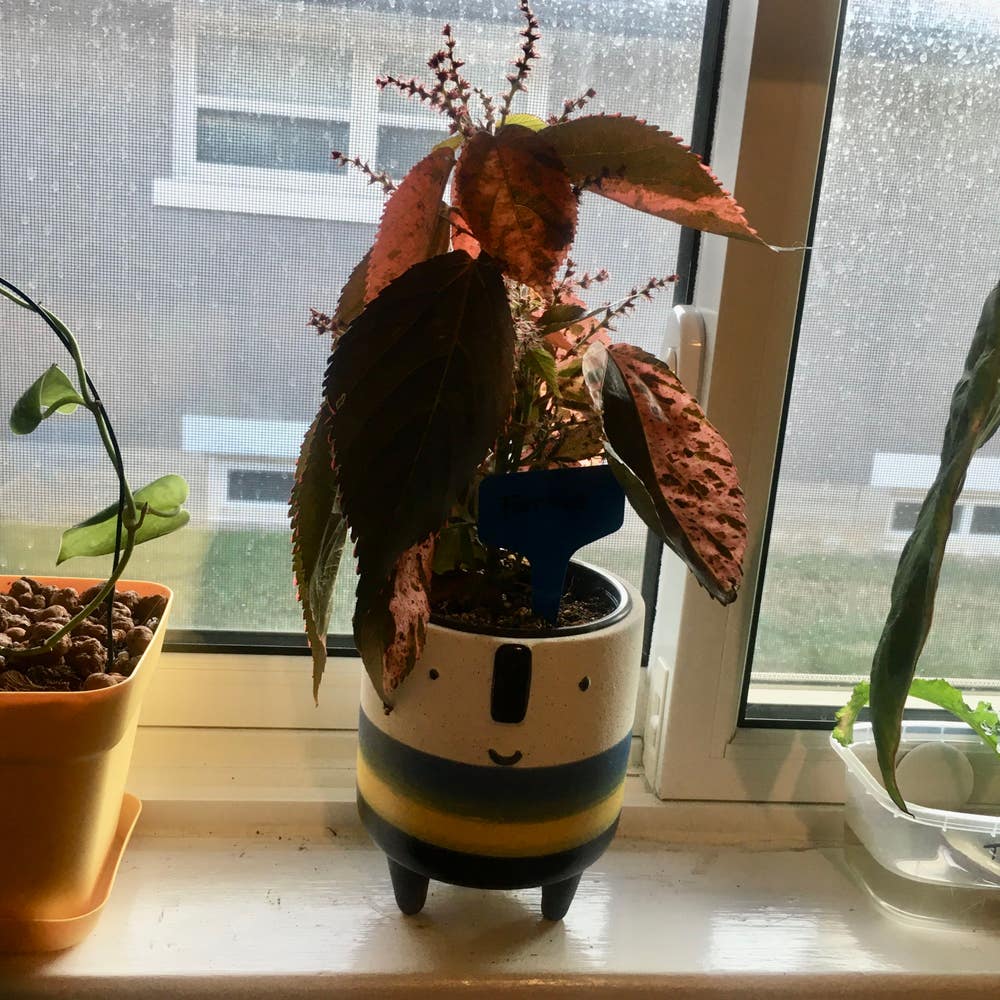
🍃 Virginia Copperleaf: An Annual Plant
Acalypha virginica
By the Greg Editorial Team
Sep 30, 2024•6 min read
This article was created with the help of AI so we can cover more plants for you. May contain errors. See one? Report it here.
- 🌱 Virginia Copperleaf is an annual plant, completing its lifecycle in one season.
- 🌼 It thrives in various soils, adapting well to different environments for optimal growth.
- 🌞 Germination requires warmth and moisture, essential for successful seed sprouting.
Characteristics of Virginia Copperleaf as an Annual
🌱 Definition and Lifecycle
Annual plants, like Virginia Copperleaf, complete their entire lifecycle within a single growing season. This rapid cycle includes four key stages: germination, vegetative growth, flowering, and seed production.
- Germination: This stage requires optimal conditions, such as warmth and moisture, for the seeds to sprout effectively.
- Vegetative Growth: During this phase, the plant focuses on developing leaves and stems quickly, maximizing its ability to photosynthesize.
- Flowering: Timing is crucial here; the plant blooms when environmental conditions are just right, ensuring successful reproduction.
- Seed Production: Virginia Copperleaf is known for its prolific seed generation, employing various mechanisms to spread its seeds widely.
🌿 Growth Patterns and Reproductive Strategies
Virginia Copperleaf exhibits distinct growth habits that contribute to its success as an annual. Typically, mature plants can reach heights of 2 to 4 feet, with a spread of about 1 to 3 feet, making them a striking addition to any garden.
- Leaf Structure and Arrangement: The leaves are arranged to maximize sunlight capture, enhancing photosynthesis and overall growth.
When it comes to reproduction, Virginia Copperleaf is a powerhouse. It produces a large quantity of seeds, which can be dispersed through wind or water, ensuring its survival across various environments.
- Pollination Mechanisms: This plant benefits from both pollinators and self-pollination, increasing its chances of successful fertilization.
Seed viability is another critical factor. Conditions such as temperature and moisture significantly influence germination rates, allowing Virginia Copperleaf to adapt to its surroundings effectively.
In summary, understanding the characteristics of Virginia Copperleaf as an annual provides insight into its resilience and adaptability. This knowledge sets the stage for exploring its evolutionary advantages and environmental adaptations in the next section.
Evolutionary Advantages and Environmental Adaptation
🌍 Adaptation to Different Environments
Virginia Copperleaf showcases remarkable environmental resilience, thriving in a variety of habitats. This adaptability allows it to flourish in conditions ranging from sandy soils to more nutrient-rich environments.
To cope with environmental stressors, Virginia Copperleaf employs several strategies. It can withstand drought by developing deep root systems, while its flexible growth habits help it compete effectively for sunlight and nutrients.
🌱 Benefits of an Annual Lifecycle
Completing its lifecycle in just one season offers significant advantages. Rapid colonization of disturbed areas allows Virginia Copperleaf to quickly establish itself where other plants may struggle.
Additionally, this annual lifecycle provides flexibility in responding to changing environmental conditions. When faced with unpredictable weather patterns, Virginia Copperleaf can adjust its growth and reproductive strategies to maximize survival and seed production.
This adaptability not only ensures its persistence but also enriches the ecosystems it inhabits. As we explore the impact of this lifecycle on growth and seed production, we’ll uncover how these traits play a crucial role in its success.
Impact of Annual Lifecycle on Growth and Seed Production
🌱 Growth Phases: Germination to Flowering
Virginia Copperleaf experiences a distinct lifecycle that unfolds in three key phases.
Germination Period
The germination phase is crucial, requiring optimal temperature and moisture levels to kickstart growth. Typically, seeds sprout best in warm, moist conditions, setting the stage for vigorous development.
Vegetative Phase
Following germination, the vegetative phase begins, characterized by rapid leaf and stem growth. This phase lasts several weeks, during which the plant focuses on maximizing its size and photosynthetic capacity.
Flowering Phase
As the season progresses, the flowering phase emerges, influenced by environmental cues. Timing is essential here; plants bloom when conditions are just right, ensuring successful pollination and seed production.
⏰ Timing of Flowering and Seed Production
The timing of flowering and subsequent seed production is influenced by several factors.
Photoperiod Sensitivity
Virginia Copperleaf is sensitive to photoperiod, meaning it responds to changes in day length. This sensitivity helps the plant determine the optimal time to flower, ensuring it aligns with favorable conditions.
Temperature Thresholds
Temperature also plays a critical role in flowering. Each plant has specific temperature thresholds that trigger blooming, making it essential for gardeners to monitor local climate conditions.
Seed Production Timing
Finally, the timing of seed production correlates closely with environmental conditions. Successful seed generation often occurs after flowering, ensuring that seeds are dispersed when conditions are most favorable for germination.
Understanding these phases and timing factors can significantly enhance your gardening success with Virginia Copperleaf. As we explore the variations and exceptions in its behavior, you'll gain deeper insights into how to adapt your gardening strategies effectively.
Variations and Exceptions in Behavior
Instances of Atypical Behavior 🌱
Virginia Copperleaf can exhibit unexpected growth patterns depending on local climate and soil conditions. For instance, in regions with milder winters, it may persist longer than anticipated, sometimes showing traits of biennial behavior.
This adaptability allows it to thrive in diverse environments, but it also means that gardeners may encounter variations in growth habits. Understanding these nuances can help in planning and managing your garden effectively.
Environmental Factors Influencing Growth 🌍
Soil quality, moisture levels, and light exposure significantly impact the growth of Virginia Copperleaf. Rich, well-drained soil promotes robust development, while poor soil can stunt its growth.
Extreme weather conditions, such as drought or heavy rainfall, can also disrupt its typical annual lifecycle. These factors may lead to unexpected flowering times or reduced seed production, highlighting the plant's resilience and adaptability in the face of environmental challenges.
Incorporating these insights into your gardening practices can enhance your success with Virginia Copperleaf, ensuring it flourishes even in less-than-ideal conditions.
Gardening Tips for Virginia Copperleaf
🌱 Utilizing Annual Nature in Garden Design
Incorporating Virginia Copperleaf into your garden can be a game-changer. Consider companion planting; pairing it with other annuals can enhance growth and deter pests.
Timing is everything when it comes to seasonal color schemes. Plan your garden layout to ensure a vibrant display throughout the growing season, aligning Virginia Copperleaf's blooms with other flowering plants.
🌾 Tips for Succession Planting
To keep your garden lively, use staggered sowing. This technique involves planting seeds at intervals to ensure continuous blooms, extending the visual appeal of your garden.
Additionally, think about the selection of varieties. Different Copperleaf types can provide varied growth patterns and colors, enriching your garden's aesthetic.
🌞 Extending the Growing Season
To prolong the lifecycle of Virginia Copperleaf, consider using row covers or cloches. These protective measures can shield your plants from early frost, allowing for a longer growing period.
Timing your planting is crucial. Identify optimal dates for sowing seeds to maximize growth and ensure your Copperleaf thrives throughout the season.
With these gardening tips, you can make the most of Virginia Copperleaf's annual nature, creating a stunning and resilient garden. Next, let’s explore the evolutionary advantages and environmental adaptations of this remarkable plant.
⚠️ Safety First
This content is for general information and may contain errors, omissions, or outdated details. It is not medical, veterinary advice, or an endorsement of therapeutic claims.
Always consult a qualified healthcare professional before using any plant as food, medicine, or supplement.
Never eat any plant (or feed one to pets) without confirming its identity with at least two trusted sources.
If you suspect poisoning, call Poison Control (800) 222-1222, the Pet Poison Helpline (800) 213-6680, or your local emergency service immediately.
Spotted an error? Please report it here.
Unlock the vibrant potential of your Virginia Copperleaf 🌿 with Greg's tailored care reminders and tips, ensuring a thriving garden all season long!