Why Are There Black Spots on My Virginia Copperleaf Leaves?
Acalypha virginica
By the Greg Editorial Team
Feb 05, 2024•4 min read
This article was created with the help of AI so we can cover more plants for you. May contain errors. See one? Report it here.
- Visual cues like dark margins indicate black spots; check undersides of leaves.
- Fungal and bacterial origins differ; humidity and overwatering are common culprits.
- Prevent with base watering, pruning, and airflow; treat with neem oil or fungicides.
Spotting the Culprit: Recognizing Black Spots
👀 Visual Cues
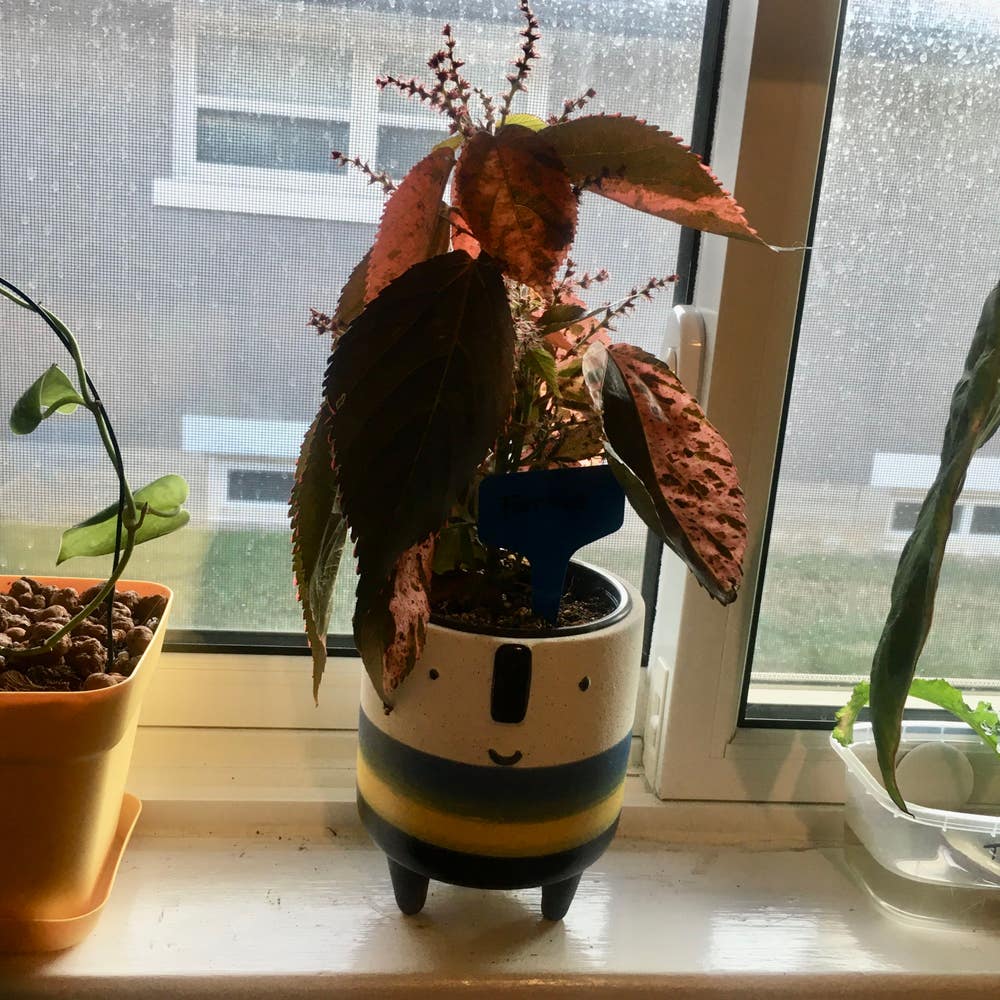
Dark margins and concentric rings are your first red flags. These spots are not just blemishes; they're symptoms of an underlying issue. Initially small, they can grow or merge into larger blotches if ignored.
📈 Progression Patterns
Black spots often start their invasion on the undersides of leaves, a favorite hideout for these pesky invaders. They may appear as tiny specks, less than ⅛ inch in diameter, but without intervention, can spread across the foliage.
🎨 Texture and Color
Feel the spots. Are they raised, sunken, or slimy? Their texture can be a telltale sign: fungal spots often present with a powdery feel, while bacterial spots might be slimy to the touch.
🗺 Location and Pattern
Observe the pattern and location of the spots. Are they uniform or random? Do they have a border? These clues are critical in leading you to the right diagnosis.
🕵️♀️ Early Detection
Regular leaf check-ups are like health screenings for your plant. Catching these spots early is akin to catching a typo before you hit send—a small step that can prevent a larger issue.
🔍 Diagnosis Tools
If you're stumped, a magnifying glass can be your best friend for a closer look. And when in doubt, consult a plant pathologist or an experienced gardener for backup.
🚫 Common Confusions
Don't mistake a black spot for a natural marking. Unlike natural markings, which are usually uniform and symmetrical, black spots from pests or diseases appear randomly and can spread.
Unearthing the Causes: What's Behind the Black Spots?
🍄 Fungal Foes
Cercospora and Alternaria are the usual suspects in the lineup of leaf spot culprits. These fungi find the leafy greens of Virginia Copperleaf irresistible, especially when the leaves are basking in humidity and moisture. They start their party on the foliage, leaving behind black spots as evidence of their revelry.
🦠 Bacterial Bullies
Bacterial leaf spot comes in with a stealth approach, often mistaken for its fungal counterpart. The symptoms include water-soaked lesions that can quickly turn a healthy leaf into a spotty mess. The spread is rapid, with overwatering and stagnant air acting as the bacteria's best pals, setting up the perfect environment for these microscopic invaders to thrive.
Nipping It in the Bud: Prevention Tactics
💧 Water Wisely
Watering is less about quantity and more about timing and technique. Aim for the base, not the leaves, to keep them as dry as a humorist's delivery. Let the soil's top layer dry out before giving your plant another drink. This isn't just about avoiding overwatering; it's about respecting the plant's personal space.
✂️ Prune and Circulate
Pruning isn't just a cosmetic fix; it's a strategic move in the game of plant health. Snip away excess foliage to prevent a crowded canopy that invites dampness. Think of airflow as your plant's best friend; a gentle breeze can keep the environment around your Virginia Copperleaf just right. Use a fan on low or place your plant where air moves naturally, but don't create a wind tunnel.
Turning the Tide: Effective Treatment Approaches
🌿 Embracing Nature's Arsenal
Neem oil and copper fungicides are your plant's knights in shining armor against the black spot scourge. Neem oil, extracted from the seeds of the Azadirachta indica tree, is a heavyweight champion in the ring of pest control. It's a slow burn, so patience is key. Copper fungicides, on the other hand, are like antibiotics for your plants. Apply them with the precision of a surgeon to target just the bacterial bad guys.
🧪 When Chemicals Call
Sometimes, nature's tools just don't cut it, and you have to bring in the chemical cavalry. Choose your fungicides and bactericides with the discernment of a master chess player—strategy is everything. Safety is paramount; gear up with protective wear, and follow the label like it's the law of the land. Rotate your chemicals like you're changing passwords to outsmart any resistant pathogens. Remember, it's about being a sniper, not spraying and praying.
⚠️ Safety First
This content is for general information and may contain errors, omissions, or outdated details. It is not medical, veterinary advice, or an endorsement of therapeutic claims.
Always consult a qualified healthcare professional before using any plant as food, medicine, or supplement.
Never eat any plant (or feed one to pets) without confirming its identity with at least two trusted sources.
If you suspect poisoning, call Poison Control (800) 222-1222, the Pet Poison Helpline (800) 213-6680, or your local emergency service immediately.
Spotted an error? Please report it here.