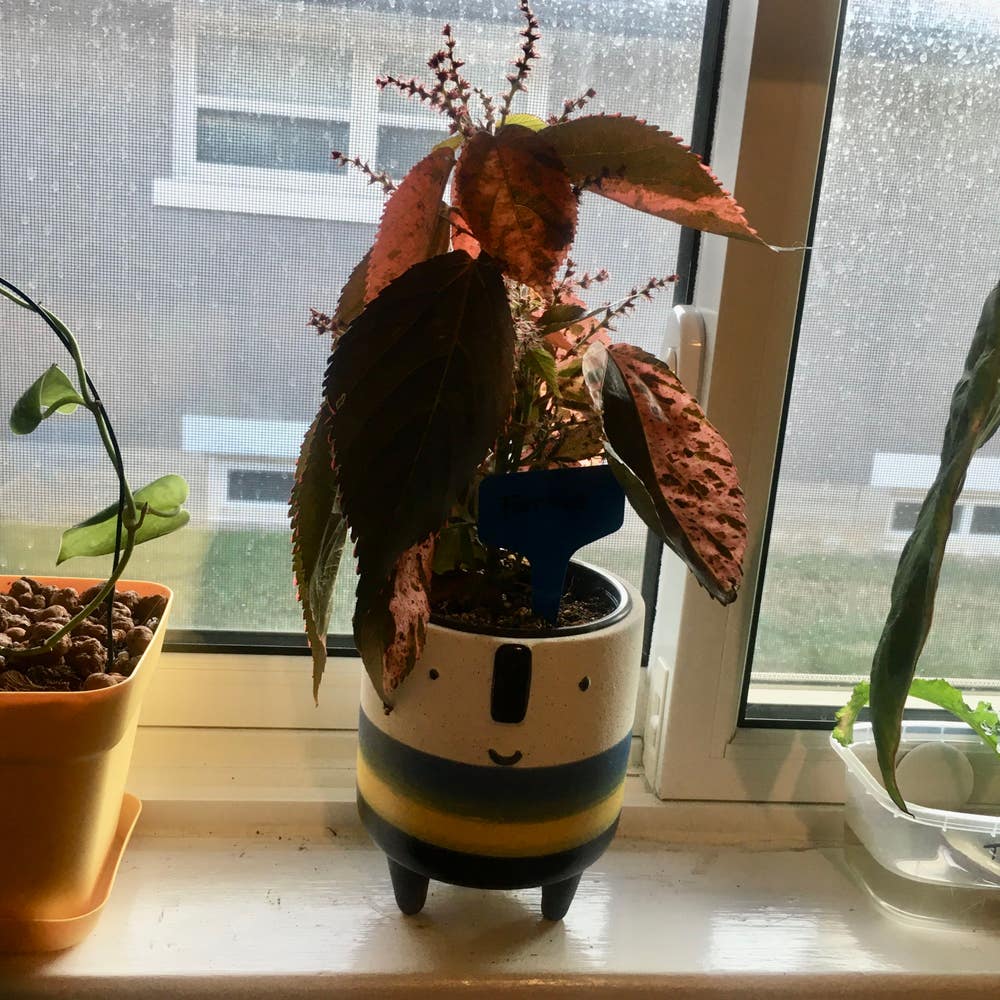
Why Are My Virginia Copperleaf Leaves Falling Over?
Acalypha virginica
By the Greg Editorial Team
Feb 05, 2024•3 min read
This article was created with the help of AI so we can cover more plants for you. May contain errors. See one? Report it here.
- 💧 Overwatering leads to droopiness: Let soil dry between watering.
- 🌞 Bright, indirect light is crucial for leaf stability.
- 🌱 Balance nutrients; treat pests to prevent leaf fall.
Pinpointing the Culprits Behind Droopy Leaves
💧 Overwatering and Root Health
Yellowing leaves and a soggy soil feel? Classic overwatering. Your Virginia Copperleaf is not a fan of wet feet. Ease up on the H2O to avoid root rot.
To adjust your watering routine, let the soil dry out a bit between sessions. Ensure your pot has drainage holes and use a soil mix that promotes aeration. Check the soil moisture before watering—think moist, not marshy.
🌞 Light Levels and Leaf Stability
Light is like a plant's gym membership—it keeps leaves strong and upright. Too little, and your Virginia Copperleaf might start slouching.
Find the sweet spot for lighting—bright, indirect light is your goal. Rotate the plant to ensure even exposure, preventing the Leaning Tower of Copperleaf scenario.
🍽️ Nutrient Balance and Plant Posture
Nutrient deficiencies can make leaves droop like they've given up on life. Yellowing leaves or stunted growth? Could be a nutrient heist.
Fertilize with a balanced mix, tailored to your Copperleaf's needs. Watch for positive changes in foliage—this confirms you're on the right track. Keep the feeding consistent, but don't overdo it; your plant isn't trying to win a bodybuilding contest.
Battling Pests and Diseases
🐛 Common Invaders that Weigh Down Leaves
Virginia Copperleaf, with its vibrant foliage, can sometimes play host to uninvited guests. Pests such as aphids and spider mites, alongside diseases like leaf spot and powdery mildew, can cause leaves to droop or even detach.
To spot these pests, check the undersides of leaves for tiny insects or webbing. Diseases often manifest as discolored spots or a powdery residue.
💉 Effective Treatments to Get Your Copperleaf Standing Tall Again
Once you've identified the culprits, it's time to take action. For pests, insecticidal soap or neem oil can be effective, targeting the invaders without harsh chemicals.
For fungal issues, remove affected leaves to prevent spread. A copper fungicide can be a game-changer, but remember to follow the instructions carefully.
Air circulation is critical; it helps keep leaves dry and disease at bay. Avoid overcrowding and prune regularly to maintain good airflow.
Remember, prevention is better than cure. Regular inspections can catch problems early, and keeping your plant healthy is the best defense against pests and diseases.
Proactive Measures to Keep Leaves Upright
💧 Water Wisdom: Preventing Soggy Soil
Watering is a delicate dance with Virginia Copperleaf. To prevent overzealous sogginess, water only when the top inch of soil is dry. Imagine you're a barista testing milk temperature – it's all about the feel. Use a moisture meter or your finger to gauge the soil's thirst. Remember, your plant's roots crave oxygen as much as they do water, so let them breathe.
☀️ Let There Be Light: Ensuring Adequate Exposure
Virginia Copperleaf's leaves stand at attention with the right light. Bright, indirect light is their jam. Too much direct sunlight, and they'll wilt like a forgotten salad. Rotate your plant regularly to ensure even exposure; it's like ensuring everyone gets a turn at the window seat.
🍽️ Feeding for Vigor: A Tailored Nutrient Plan
Nutrients are the secret sauce for perky leaves. Use a balanced fertilizer, but don't go overboard – think of it as a sprinkle of parmesan, not a cheese avalanche. Observe your plant's reaction and tweak the menu as needed. Overfeeding can lead to the botanical equivalent of a food coma, so keep it light and consistent.
⚠️ Safety First
This content is for general information and may contain errors, omissions, or outdated details. It is not medical, veterinary advice, or an endorsement of therapeutic claims.
Always consult a qualified healthcare professional before using any plant as food, medicine, or supplement.
Never eat any plant (or feed one to pets) without confirming its identity with at least two trusted sources.
If you suspect poisoning, call Poison Control (800) 222-1222, the Pet Poison Helpline (800) 213-6680, or your local emergency service immediately.
Spotted an error? Please report it here.
Prevent your Virginia Copperleaf from ever drooping again by letting Greg proactively manage 🛡️ your plant's watering, lighting, and feeding schedule for perfect health.