Determining What Might Be Eating Your Madeira Vine 🐛
Anredera cordifolia
By the Greg Editorial Team
Sep 30, 2024•7 min read
This article was created with the help of AI so we can cover more plants for you. May contain errors. See one? Report it here.
- 🌱 Madeira vine attracts herbivores like deer, rabbits, and squirrels, risking plant health.
- 🦌 Signs of damage include browsed leaves and clipped stems; monitor regularly for issues.
- 🚫 Effective deterrents include repellents, fencing, and netting to protect your vine.
Description and Appeal
Appearance 🌿
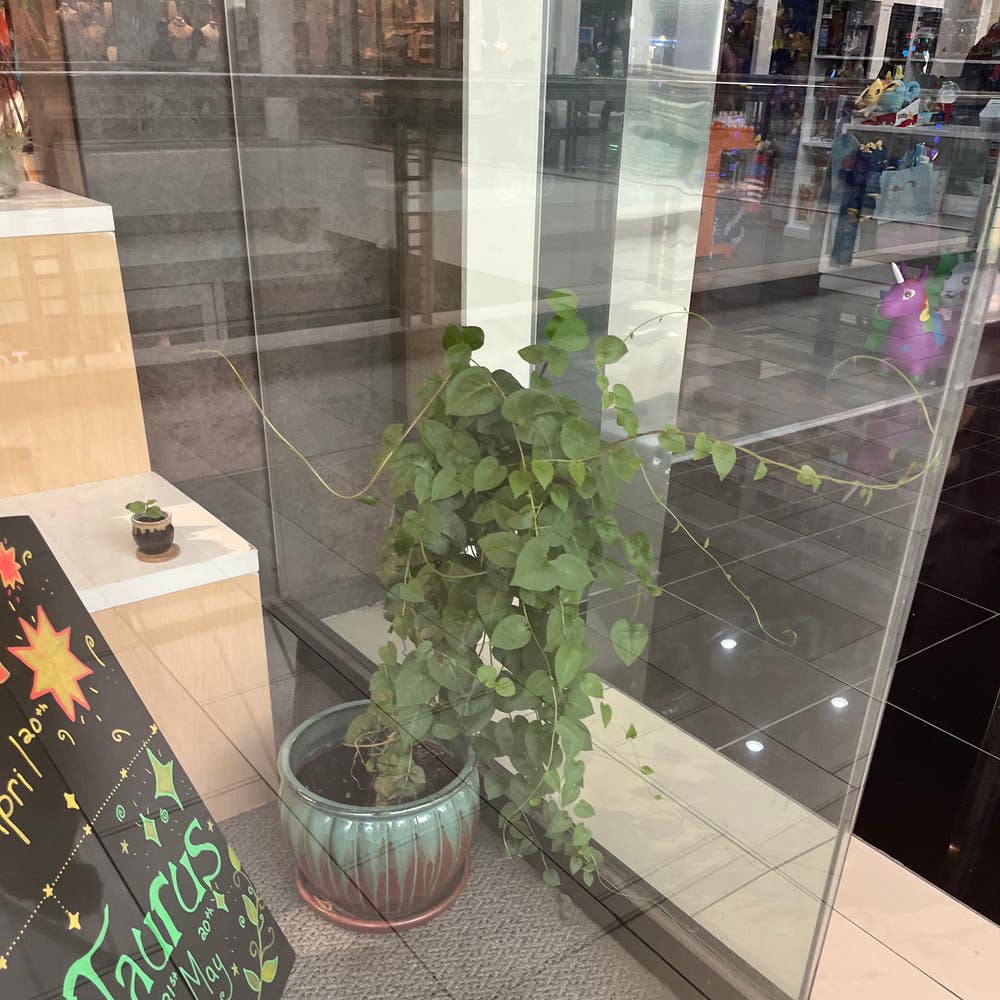
The Madeira vine is a vigorous, fast-growing perennial that can quickly transform any garden space. Its heart-shaped leaves boast a lush green color, creating a vibrant backdrop for its stunning blooms.
Clusters of small, fragrant white flowers emerge, adding a delightful scent to the air. This vine can reach impressive lengths, often climbing on supports and creating a lush, green canopy.
Most Appealing Parts to Animals 🐾
Several parts of the Madeira vine attract various animals. The small, edible tubers are particularly enticing to herbivores, making them a target for hungry critters.
Additionally, the fragrant flowers draw in both pollinators and herbivores alike. Young shoots are tender and nutritious, making them especially appealing to many animals seeking a fresh meal.
This combination of characteristics not only enhances the vine's beauty but also makes it a focal point in the ecosystem, attracting both beneficial and harmful wildlife. Understanding these appealing aspects can help you better protect your vine from potential threats.
Common Herbivores
🦌 Deer
Signs of Presence and Damage
Deer can be a significant threat to your Madeira vine. Look for browsed leaves and broken stems, which indicate their presence, along with signs of significant defoliation and stunted growth.
Interaction Type
Their impact is generally harmful, as deer can decimate plant populations if not managed effectively.
Deterrent Methods
To keep deer at bay, consider using commercial deer repellents. Alternatively, planting deer-resistant species or employing scent deterrents like human hair or soap can be effective.
🐇 Rabbits
Signs of Presence and Damage
Rabbits leave behind cleanly cut stems and droppings near your plants. Their gnawing can lead to reduced vigor and overall plant health.
Interaction Type
Like deer, rabbits are generally harmful and can cause severe damage to your Madeira vine.
Deterrent Methods
Bitter-tasting sprays can deter rabbits easily. Additionally, erecting fencing at least 2 feet high or planting rabbit-resistant plants can provide effective protection.
🐿️ Squirrels
Signs of Presence and Damage
Squirrels are notorious for chewing stems and leaving scattered debris from their feeding habits. This can lead to bark stripping and loss of young shoots.
Interaction Type
Their interaction is generally harmful, as they can weaken the overall structure of your plant.
Deterrent Methods
Capsaicin-based sprays can deter squirrels effectively. You might also consider installing squirrel-proof feeders or using noise deterrents to keep them away.
🐦 Birds
Signs of Presence and Damage
Birds can be both beneficial and harmful. Look for pecked flowers and scattered seeds, which indicate their presence and can lead to reduced flower production and seed loss.
Interaction Type
Bird interactions are mixed; while some birds are beneficial pollinators, others may cause damage to your plants.
Deterrent Methods
Non-toxic bird repellents can help manage their presence. Additionally, using netting over plants or reflective objects can deter unwanted birds.
🐭 Rodents
Signs of Presence and Damage
Rodents leave behind tunnels, droppings, and gnawed roots. Their activity can lead to root damage and weakened plant stability.
Interaction Type
Rodents are generally harmful and can cause significant decline in your Madeira vine.
Deterrent Methods
Consider using rodent bait stations for chemical control. For organic methods, trapping or using natural repellents like peppermint oil can be effective.
🦡 Groundhogs/Woodchucks
Signs of Presence and Damage
Groundhogs create large burrows and often clip plants at ground level. Their presence can lead to total loss of young plants and significant landscape alteration.
Interaction Type
Their impact is generally harmful, as they can devastate garden areas.
Deterrent Methods
Commercial repellents can help manage groundhogs. Additionally, fencing at least 3 feet high or using motion-activated sprinklers can provide effective deterrence.
Understanding these common herbivores and their impact on your Madeira vine is crucial for maintaining its health. By implementing the right deterrent methods, you can protect your plants and ensure they thrive. Next, let’s explore the beneficial animals that can enhance your garden ecosystem.
Beneficial Animals
🐝 Description of Beneficial Animals
In the garden, beneficial animals play a crucial role. Pollinators like bees and butterflies are irresistibly drawn to the fragrant flowers of the Madeira vine, ensuring vibrant blooms and fruitful yields.
Predatory insects, such as ladybugs and lacewings, also contribute significantly. They help keep harmful pest populations in check, creating a healthier ecosystem.
🌍 Positive Ecosystem Impact
The impact of these beneficial animals is profound. Pollination not only enhances fruit and seed production but also supports the overall health of your garden.
Additionally, effective pest control leads to a balanced environment. By reducing the number of harmful insects, these allies help your Madeira vine thrive, allowing it to reach its full potential.
As you cultivate your garden, remember the importance of these creatures. Their presence can transform your space into a flourishing haven, setting the stage for the next section on protection strategies.
Protection Strategies
🛡️ Preventive Measures
To safeguard your Madeira vine, consider your plant selection carefully. Incorporating companion plants that deter herbivores can create a natural barrier against unwanted munchers.
Physical barriers are also effective. Using fencing and netting can protect vulnerable areas, ensuring your vine thrives without interference.
⚠️ Reactive Solutions
Regular monitoring is crucial for early detection of herbivore activity. Inspect your plants frequently for signs of damage or presence.
When you notice any issues, act immediately. Implement deterrent methods right away to minimize damage and keep your plants healthy.
🌱 Balancing Ecosystem
Adopting an integrated pest management approach is key. Combining chemical and organic methods allows for a balanced strategy that protects your plants while being mindful of the environment.
Enhancing your garden habitat can also attract beneficial animals. Creating environments that invite pollinators and predatory insects helps maintain a healthy ecosystem around your Madeira vine.
By taking these steps, you can foster a thriving garden that not only protects your plants but also supports a diverse range of wildlife. Next, let’s explore the seasonal considerations that can impact your vine’s vulnerability to herbivores.
Seasonal Considerations
🦌 Variations in Animal Attraction
As the seasons change, so does the activity of herbivores around your Madeira vine. In spring, the emergence of fresh growth attracts a variety of hungry animals eager to feast on tender leaves and shoots.
By summer, this feeding frenzy peaks. Many animals are actively foraging, making it crucial to monitor your plants closely during this time.
⏰ Timing of Vulnerability
The young shoots of the Madeira vine are particularly vulnerable in early spring. This is when they are at their most tender and nutritious, drawing in herbivores looking for a quick meal.
During the flowering phase, the vine's fragrant blooms become a magnet for both pollinators and herbivores. This increased attraction can lead to significant damage if not managed properly.
Understanding these seasonal patterns can help you protect your plants effectively. With the right strategies in place, you can enjoy the beauty of your Madeira vine while keeping unwanted visitors at bay.
Toxicity and Safety
Toxic Effects 🌿
While Madeira vine is a beautiful addition to any garden, it's important to note its mild toxicity. The tubers and young shoots can cause gastrointestinal upset if consumed in large quantities, so caution is advised.
Safety Considerations 🧤
When handling Madeira vine, wearing gloves is a smart move. This simple precaution helps prevent skin irritation and keeps you safe while pruning or managing the plant.
Additionally, it's crucial to educate others about the potential risks associated with this vine, especially concerning pets and livestock. Awareness can go a long way in ensuring a safe gardening experience.
As you enjoy the beauty of your Madeira vine, remember to stay informed about its characteristics and safety measures. This knowledge not only protects you but also enhances your gardening journey.
Next, let's explore effective protection strategies to keep your Madeira vine thriving amidst potential threats.
⚠️ Safety First
This content is for general information and may contain errors, omissions, or outdated details. It is not medical, veterinary advice, or an endorsement of therapeutic claims.
Always consult a qualified healthcare professional before using any plant as food, medicine, or supplement.
Never eat any plant (or feed one to pets) without confirming its identity with at least two trusted sources.
If you suspect poisoning, call Poison Control (800) 222-1222, the Pet Poison Helpline (800) 213-6680, or your local emergency service immediately.
Spotted an error? Please report it here.
Keep your Madeira vine thriving 🌱 by using Greg's tailored monitoring and deterrent tips to fend off those pesky herbivores!