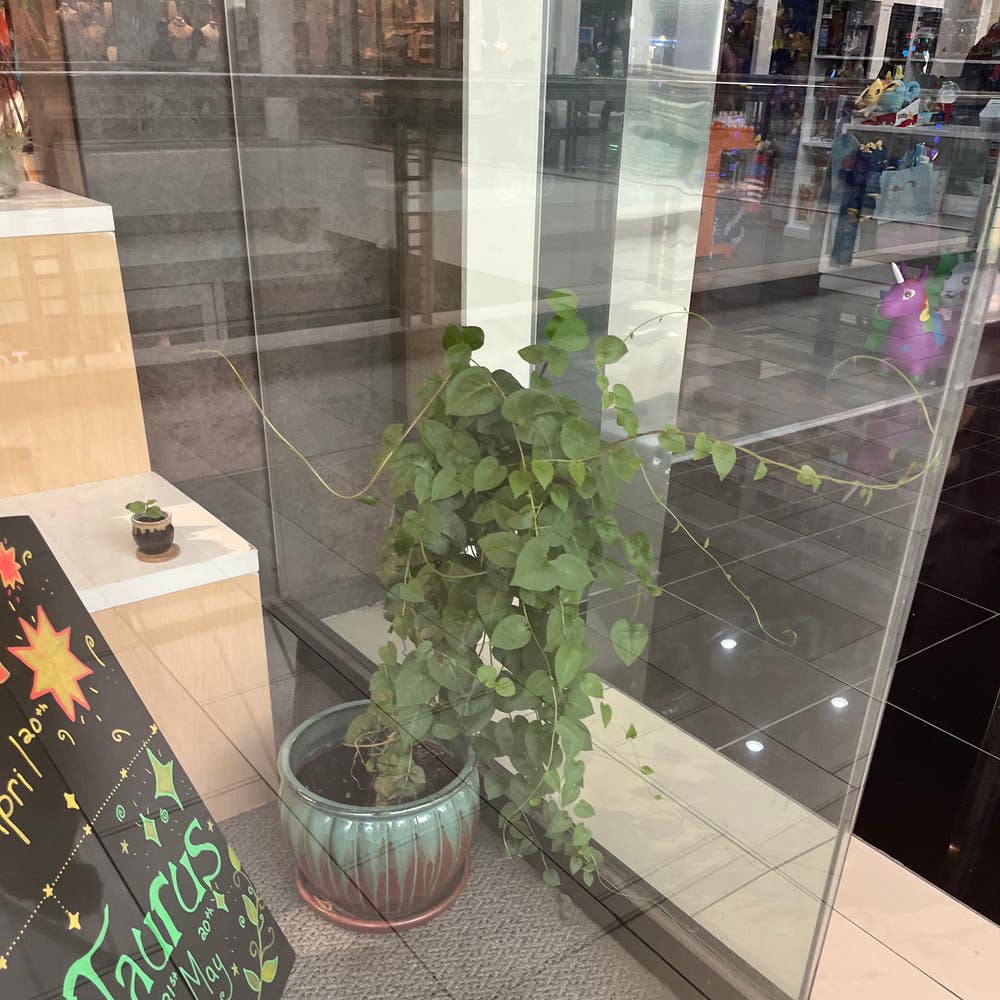
How Frequently Should I Water My Madeira Vine?
Anredera cordifolia
By the Greg Editorial Team
Jun 18, 2024•4 min read
This article was created with the help of AI so we can cover more plants for you. May contain errors. See one? Report it here.
- Drooping leaves signal thirst; use the finger test or moisture meters for accuracy.
- Seasons change, so does watering; adjust for growth and dormancy.
- Pot size and soil mix matter for managing Madeira vine's moisture needs.
Spotting the Thirsty Madeira Vine
🏜️ Visual cues of underwatering
- Drooping leaves and dry tendrils
- Brown leaf tips and edges
The Madeira vine communicates its need for water through its appearance. If you notice drooping leaves or tendrils that have lost their vigor, it's a sign that your vine is dehydrated. Similarly, brown leaf tips and edges are a plant's equivalent of chapped lips, indicating a serious need for moisture.
🚰 Soil moisture tell-tales
- The finger test and other methods to check soil dryness
- Using moisture meters for precision
To avoid the guesswork in watering, become intimate with the soil. The finger test—inserting a finger into the top inch of soil—can reveal a lot about your plant's hydration status. If the soil feels like a dry desert, it's time for a drink. For those who prefer a more scientific approach, moisture meters can provide a precise reading of soil moisture levels, ensuring you water with accuracy.

Crafting the Perfect Watering Schedule
💧 Seasonal shifts in watering needs
Adjusting for growth spurts and dormant periods is like tuning your guitar for a new song—necessary for the best performance. In the summer, your Madeira vine is like a teenager during a growth spurt, guzzling water at every chance. Come winter, it's more like a hibernating bear, sipping just enough to get by.
🌱 The role of pot size and soil mix
Your Madeira vine's pot and soil are its home and its meal. Pot size can dictate how quickly water drains or how much moisture is retained. A larger pot may mean less frequent watering, while a smaller one could have you reaching for the watering can more often.
The soil mix is crucial for moisture management. A well-draining mix with organic matter can hold just enough water without causing your vine's roots to throw a pool party. On the flip side, too much sand, and you'll find yourself watering like it's going out of style.

Watering Techniques for the Madeira Vine
💧 Bottoms up: The benefits of bottom watering
Bottom watering isn't just a trend; it's a strategic move for your Madeira vine. This method encourages deep root growth and can be a lifesaver for parched plants. Here's the drill: place your pot in a tray of water and let the plant sip at its own pace. Once the topsoil feels moist, it's time to remove the tray.
But beware, bottom watering is best for potted plants only. If your vine is in the ground, you're out of luck and will need to stick with top watering.
💦 When to choose overhead watering instead
Sometimes, you've got to go old school with overhead watering. It's like a quick shower for your plant, washing away excess salts and giving the soil a thorough soak. Aim for the base to dodge the drama of fungal parties on the leaves. Remember, if the foliage stays wet for too long, you're sending out invites for trouble.
✨ The art of misting
Misting is like a shot of espresso for your Madeira vine's humidity levels—quick and effective. Use a spray bottle to give your plant a light spritz, ensuring you don't turn it into a wet mess. It's a delicate balance; too much and you risk fungal issues, too little and your vine might start throwing a tantrum.
Pro tip: Misting is only a side dish, not the main course. It should complement your watering routine, not replace it. If you're in doubt, pair it with other watering methods for best results.

Fine-Tuning Watering Frequency
🌱 Reading your plant's feedback
Your Madeira vine's post-watering behavior is a tell-all. Leaves perking up? You've hit the mark. If they're still drooping or yellowing, it's time to reassess. Adjust your watering based on these visual cues and the plant's overall health.
🌍 The impact of environmental changes
Adaptability is key when dealing with environmental shifts. As temperatures rise, your vine may thirst for more frequent waterings. Cooler conditions call for restraint to prevent root rot. Keep a close eye on light exposure, too; more light typically means more water.
⚠️ Safety First
This content is for general information and may contain errors, omissions, or outdated details. It is not medical, veterinary advice, or an endorsement of therapeutic claims.
Always consult a qualified healthcare professional before using any plant as food, medicine, or supplement.
Never eat any plant (or feed one to pets) without confirming its identity with at least two trusted sources.
If you suspect poisoning, call Poison Control (800) 222-1222, the Pet Poison Helpline (800) 213-6680, or your local emergency service immediately.
Spotted an error? Please report it here.
Ensure your Madeira vine never misses a sip by letting Greg 🌿 tailor your watering schedule to its unique needs, from pot size to seasonal changes.