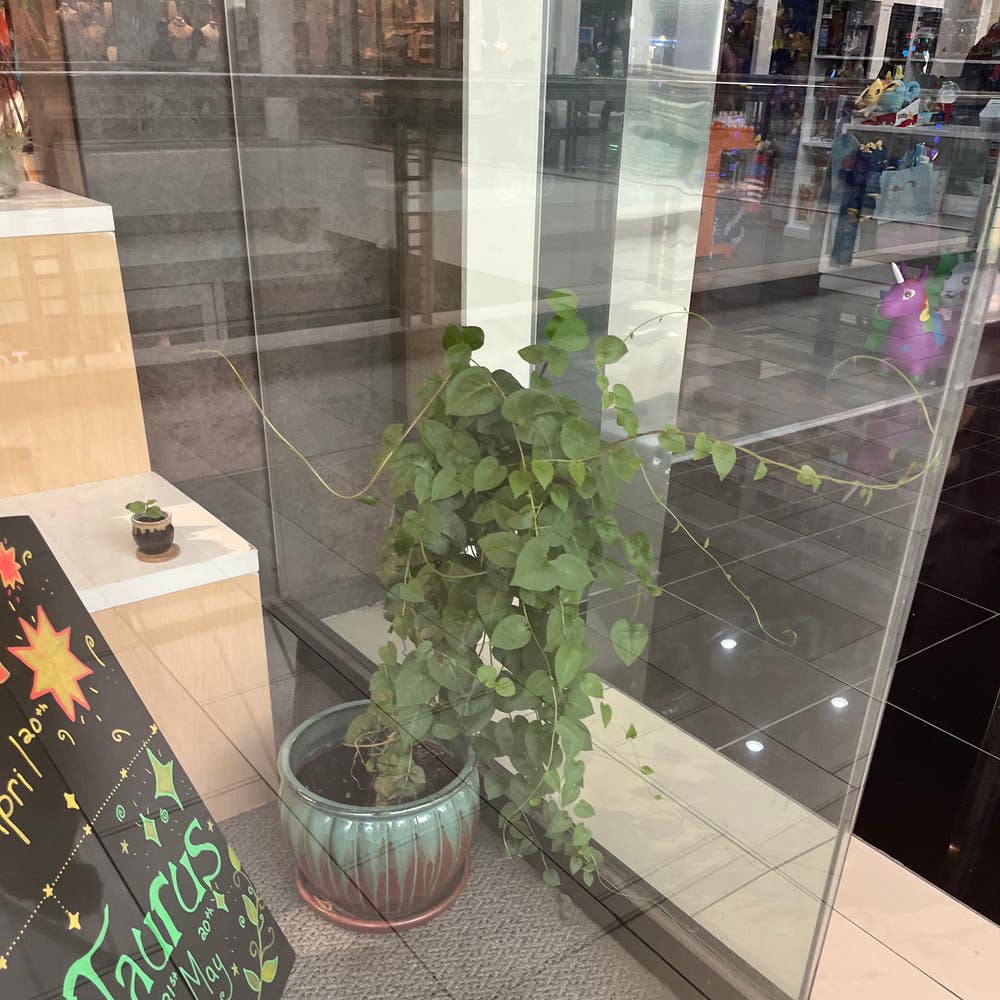
How to Propagate Your Madeira Vine
Anredera cordifolia
By the Greg Editorial Team
Jun 18, 2024•4 min read
This article was created with the help of AI so we can cover more plants for you. May contain errors. See one? Report it here.
- 🌱 Choose vibrant green stems in spring for successful stem cuttings.
- 🍂 Divide with sterilized tools; keep soil moist post-division.
- 🌞 Layer in spring/summer; ensure proper hydration for new plants.
Snip & Plant: Stem Cuttings
🌱 Choosing Your Champion Stem
In the quest for propagation, selecting a robust stem is your first critical step. Look for stems that boast a vibrant green hue, free from any signs of pests or disease. Timing is also key; early spring offers the best shot at success, as plants awaken from their winter slumber.
✂️ Prepping Your Cuttings
Once you’ve eyed your champion stem, it’s snip time. Use sharp, clean shears to make a precise cut just above a leaf node. Strip the lower leaves to expose the nodes, because that's where your new roots will party. The rooting medium? Think of it as a cozy bed for your cuttings—peat, perlite, and compost mix will do nicely.
🌱 Rooting Your Future Vines
Rooting is all about the Goldilocks zone—not too hot, not too cold, just right. A humid, warm environment encourages those tiny roots to emerge. When you see new growth, it’s go-time for transplanting. Gently move your rooted cuttings to their new home, and watch your green family expand.

Split & Multiply: Division
🌱 When to Divide Your Vine
Spring is the season of choice for division, a time when Madeira Vines are not in full bloom and are primed for propagation. Look for vigorous rhizomes—those with a healthy set of leaves and roots that seem eager to start a life of their own.
🛠 The Division Process
Preparation
Sterilize your tools; you're not just cutting, you're performing delicate surgery on your plant. A sharp knife or scissors is your best friend here.
Step 1: Unpotting
Coax your vine out of its pot with care. If it's stubborn, a gentle tap on the pot's sides or an encouraging pep talk might be necessary.
Step 2: Inspect and Slice
Search for rhizome sections ready to go solo—each should have at least one leafy shoot and a root system. Slice confidently; you're giving each new plant its own starter kit.
Step 3: Potting the Divisions
Place each new section into its own pot with fresh soil. Think of it as setting up a new home for your plant's offspring.
Step 4: The First Watering
Water the new divisions, aiming for moist but not waterlogged soil. They need hydration, not a flood.
🌿 Post-Division Care
Position your pots in a spot with bright, indirect light and keep the soil consistently moist. Patience is key; soon enough, you'll witness the growth of your new Madeira Vines.

Layering: A Natural Approach
⏰ Timing and Preparing for Layering
Spring or early summer is your golden window for layering Madeira Vines. It's like catching the wave at just the right moment. Prepare your vine by selecting a healthy, flexible stem, ensuring it's not too woody or stiff.
🌱 The Layering Technique
Bury sections of the stem at intervals, leaving parts exposed for sunlight's kiss. Wound the stem slightly to encourage rooting—think of it as a gentle nudge rather than a full shove. Keep the buried sections snug under the soil like a tucked-in child, and wait for nature's magic to happen.
🔄 Transitioning Layered Sections
Once roots have formed, it's time to separate the babies from the mother plant. Pot them up in their own containers with a mix of pride and care, like sending your kids off to college with a survival kit. Keep them hydrated, but not drowning—balance is key.

Overcoming Propagation Pitfalls
🌱 Common Hurdles in Propagation
Propagation is as much a science as it is an art, and even the greenest thumbs face challenges. Root rot is the bane of many propagation attempts, often due to overwatering or poor drainage. Yellowing leaves can signal overwatering, underfeeding, or a pest invasion. Temperature and humidity also play critical roles; too hot or too cold, and your cuttings might as well be in a plant ICU. Lastly, don't overlook the importance of clean, sharp tools to avoid transferring diseases or causing undue stress to the plant.
🛠 Pro Tips for Troubleshooting
When you hit a snag, it's time to channel your inner plant detective. Water wisely—aim for moist, not soggy, soil and water at the base to avoid leaf rot. If pests are party-crashing, show them the door with insecticidal soap or neem oil. For fungal issues, improve airflow and consider a fungicide. If your cuttings are wilting, consider a warmer location or a pep talk (hey, plants have feelings too). And remember, if you're in a bind, tweak one variable at a time and observe. This way, you won't turn your propagation project into a science experiment gone wrong.
⚠️ Safety First
This content is for general information and may contain errors, omissions, or outdated details. It is not medical, veterinary advice, or an endorsement of therapeutic claims.
Always consult a qualified healthcare professional before using any plant as food, medicine, or supplement.
Never eat any plant (or feed one to pets) without confirming its identity with at least two trusted sources.
If you suspect poisoning, call Poison Control (800) 222-1222, the Pet Poison Helpline (800) 213-6680, or your local emergency service immediately.
Spotted an error? Please report it here.
Propagate your Madeira Vine with precision ✂️ by relying on Greg for the perfect watering and lighting reminders, tailored to your home environment, from these propagation pro-tips.