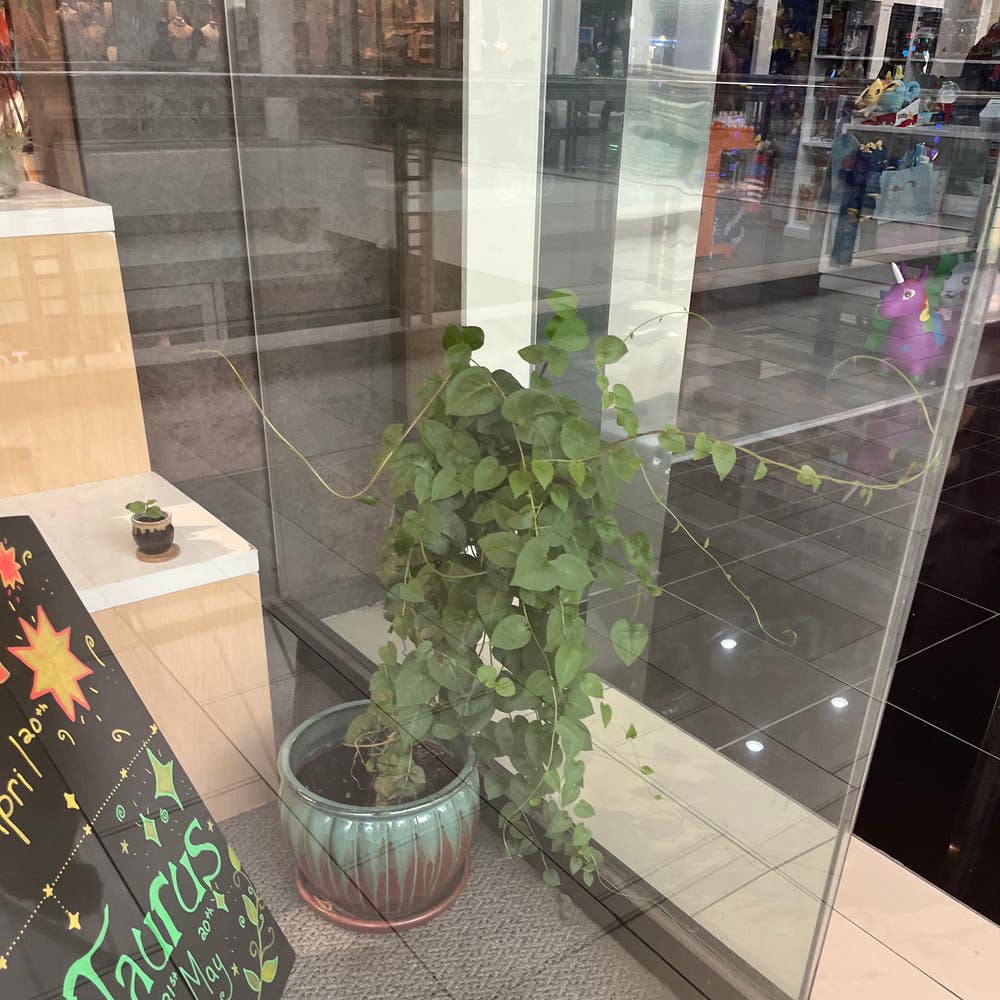
Common Madeira Vine Problems
Anredera cordifolia
By the Greg Editorial Team
Jun 18, 2024•4 min read
This article was created with the help of AI so we can cover more plants for you. May contain errors. See one? Report it here.
- Overwatering? Yellow leaves and mushy stems signal it's time to dry out.
- Sunburnt or chilly? Adjust light and temperature to prevent leaf damage.
- Pests and root rot threaten vines; use insecticidal soaps and ensure good drainage.
When Water Woes Strike
💧 Too Much H2O
Yellowing leaves and a soggy situation are the tell-tale signs of an overwatered Madeira Vine. The leaves might droop, resembling a sad, overwatered salad, and the stems can become mushy to the touch.
To dry out the drama, first, cut back on watering and let the soil surface dry out. If the pot lacks proper drainage, consider repotting with fresh, well-draining soil. In severe cases, trim away any rotten roots and treat with a fungicide to prevent further decay.
💦 Not Enough Drops
Conversely, crispy leaves and thirsty stems signal that your Madeira Vine is parched. The leaves may appear dry and brittle, like they've been sunbathing a tad too long.
To quench the thirst, introduce a consistent watering schedule. Ensure the soil is moist but not waterlogged, and consider increasing humidity around the plant. If the soil has pulled away from the pot's edges, soak the pot in a water bath to rehydrate the dry soil thoroughly.
Light and Temperature Tango
🌞 Too Much Sun, Not Enough Fun
Leaves with burnt edges or bleached spots are crying out for less sun. To prevent leaf scorching, position your Madeira Vine in bright, indirect light. Think of it as a cozy nook—sun-kissed but not sun-beaten. If damage is done, move the plant to a shadier spot to recuperate. Remember, every side of the plant deserves its time away from the harsh rays.
❄️ Chilly Vines, Sad Times
Madeira Vines prefer their environment like a mild spring day—consistently comfortable. Sudden drops in temperature can lead to wilting and drooping, signs your vine is too cold. Keep it in a spot away from drafts and maintain a steady temperature to avoid these chilly blues. If your vine has already caught a cold, move it to a warmer spot and keep an eye out for recovery signs.
The Unseen Enemies: Pests and Diseases
🐜 Uninvited Guests
Pests can turn your Madeira Vine from a lush cascade into a sad, withered mess. Spider mites are the ninjas of the pest world, often going unnoticed until their damage is done. Look for fine webs and a speckled appearance on leaves. Scale insects are like unwanted squatters, setting up camp with waxy bumps on stems and leaves.
To show these pests the door, insecticidal soaps or neem oil can be your first line of defense. For a more natural approach, consider introducing predatory insects like ladybugs, which have a voracious appetite for aphids and mites. Remember, a strong blast of water can also dislodge aphids, and diatomaceous earth can deter them from returning.
🍄 Fungal Foes
Fungal infections are silent assailants that can swiftly escalate from a few blemishes to widespread plant mayhem. Yellow leaves and funky patterns are distress flares from your vine. To combat these, increase airflow and consider a fungicide to keep the environment dry and unfriendly for the spores.
Fungus gnats are tiny black flies with a penchant for hovering around soil. Their larvae feast on plant roots, causing more than just bad company. To tackle these, let the soil dry out between waterings and use sticky traps to catch the adults. Remember, overwatering is an open invitation for these pests, so keep that in check to avoid gnat gatherings.
Root of the Problem: Root Rot
👃 Sniffing out Root Rot
Root rot is the stealthy saboteur of your Madeira Vine's health. Yellow leaves and a foul smell from the soil are your first hints of trouble. Dig in and examine the roots; they should be firm and white, not mushy and brown. If they're the latter, it's time to play plant surgeon.
🚑 The Comeback Plan
First, remove all the rotted roots with sterilized shears—think of it as excising the bad to save the good. Then, repot your vine in fresh, well-draining soil, and make sure your pot's drainage could rival a colander. When it comes to watering, adopt a desert dweller's frugality; only water when the soil feels dry, and even then, do so sparingly. Keep a vigilant eye on your plant's recovery, because root rot is a repeat offender if given the chance.
⚠️ Safety First
This content is for general information and may contain errors, omissions, or outdated details. It is not medical, veterinary advice, or an endorsement of therapeutic claims.
Always consult a qualified healthcare professional before using any plant as food, medicine, or supplement.
Never eat any plant (or feed one to pets) without confirming its identity with at least two trusted sources.
If you suspect poisoning, call Poison Control (800) 222-1222, the Pet Poison Helpline (800) 213-6680, or your local emergency service immediately.
Spotted an error? Please report it here.
Ensure your Madeira Vine thrives by avoiding common pitfalls, and let Greg's custom care plan 🌱 keep your green friend perfectly watered and happy.