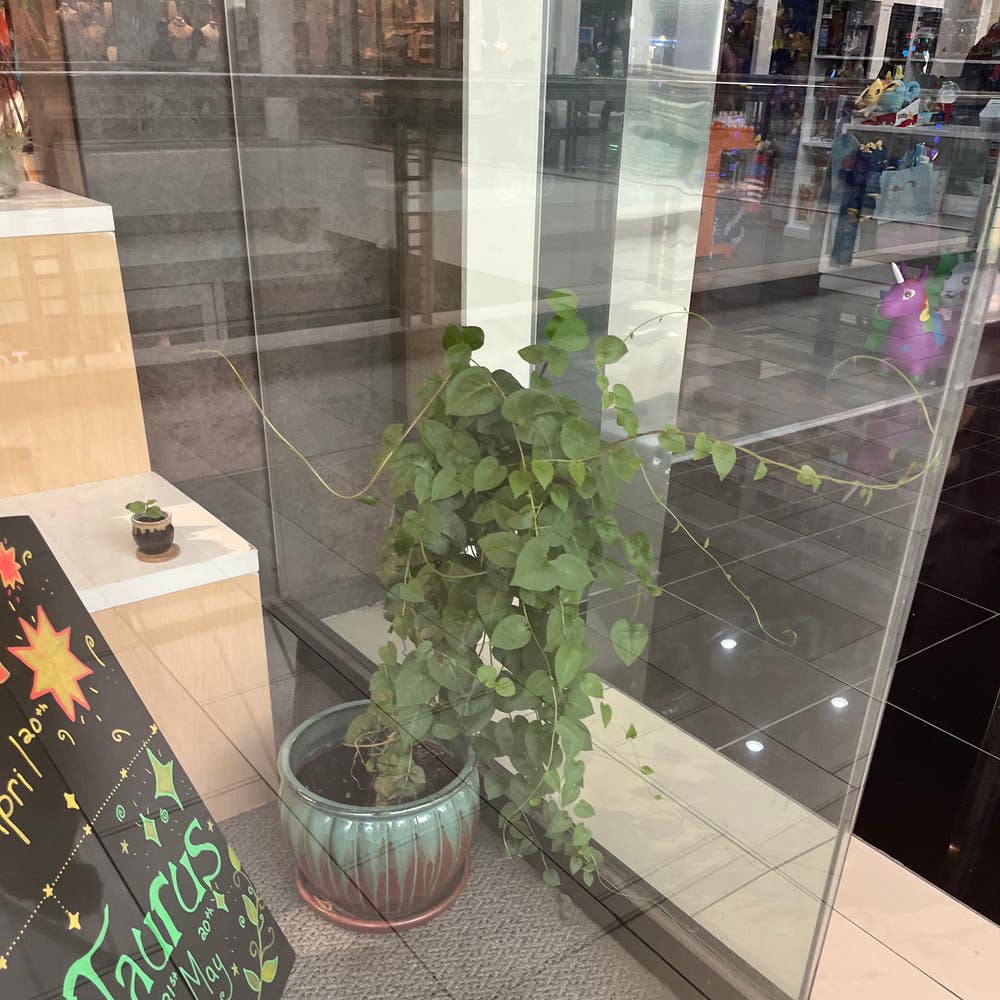
Black Spots on My Madeira Vine Leaves
Anredera cordifolia
By the Greg Editorial Team
Jun 18, 2024•4 min read
This article was created with the help of AI so we can cover more plants for you. May contain errors. See one? Report it here.
- Fungi like Alternaria cause black spots; humidity and poor air circulation worsen it.
- Prevent with airflow and dry leaves, avoiding overwatering and overcrowding.
- Treat with fungicides or baking soda; remove infected leaves to stop spread.
Spotting the Trouble: Recognizing Black Spots
🚨 What You're Looking For
Black spots on Madeira Vine leaves are alarm bells. They start as tiny, dark specks, often less than ⅛ inch in diameter. These spots can grow, merge, and form larger blotches if unchecked. Distinctive features include dark margins or concentric rings. They're not just unsightly; they're a cry for help from your plant.
🕰 When to Worry
The severity of black spots can vary, but it's the spread that spells trouble. A few isolated spots are a concern; widespread coverage is a crisis. Leaves may begin to look tattered as spots merge, and the plant's overall health can decline. Regular leaf inspections are non-negotiable—think of them as routine check-ups for your green buddy. If the texture of the leaf surface changes, or if the spots appear wet or mushy, it's time to take action.

The Culprits: Understanding What Causes Black Spots
🍄 Fungal Foes
Fungi are the masterminds behind the black spots terrorizing your Madeira Vine. Alternaria, a particularly devious fungus, starts its onslaught inconspicuously. It's a covert operation: tiny yellow marks that escalate into full-blown black spot territory. These spots, less than ⅛ inch in diameter, can expand, merge, and create a blotchy nightmare. It's a classic case of small beginnings leading to big problems.
🌬️ Environmental Accomplices
Humidity and poor air circulation are the sidekicks to these fungal felons. They create a microclimate that's a veritable paradise for spore spreaders. Think of it as setting up a fungi festival—moisture and stagnant air are the tickets in. To keep your Madeira Vine from becoming the festival grounds, you'll need to crack down on these environmental enablers.

Fortifying Your Vine: Prevention Tactics
💨 Airflow is Key
Airflow isn't just a buzzword; it's a lifeline for your Madeira Vine. To keep those leaves breathing easy, think about spacing. Overcrowding is the equivalent of stuffing your plants into a tiny elevator—no one's happy, especially your vine. Use a fan, or better yet, nature's own breeze to keep the air moving. If you've got a trellis, now's the time to use it. Not only does it support your vine's climb to the heavens, it also ensures leaves aren't clumped together, hoarding moisture and inviting fungal gatecrashers.
🏜️ Keeping Dry Matters
When it comes to watering, your Madeira Vine isn't auditioning for a swim team. Overwatering is like throwing a pool party for fungi—don't do it. Let the soil's top layer dry out before giving it another drink. Aim your watering can at the base, not the leaves. Remember, wet leaves are fungus's canvas. And if you're a fan of mulch, make sure it's not suffocating your plant's base. A little breathing room goes a long way in keeping the dreaded black spots at bay.

Turning the Tide: Effective Treatment Methods
🛡️ Choosing Your Weapons
When black spots invade your Madeira Vine, it's time to arm yourself. Fungicides are the go-to arsenal, but not all are created equal. Systemic fungicides enter the plant's system, battling the disease from within, while contact fungicides stick to the surface, like a shield. Opt for products containing clotrimazole or terbinafine, and apply with the precision of a sniper—overuse could harm more than help.
Always follow the label's instructions to the letter; this isn't the time to improvise. If you're dealing with a full-on fungal assault, consider a rotation strategy to prevent the enemy from developing resistance. Mix it up; keep the fungus guessing.
💡 Home Remedies
For those who prefer to keep it natural, your kitchen holds a few aces. A simple baking soda mix (½ teaspoon per gallon of water) can be your homemade shield against mild cases. It's no panacea, but it's a start.
Remember, these remedies are more of a preventative measure than a cure. They're like the neighborhood watch for your plants—useful, but they won't replace the police when things get serious. And don't forget to remove infected leaves and debris; think of it as cutting off the enemy's supply lines.
In the end, it's about being proactive, not reactive. Keep your eyes peeled and your watering can ready, and you just might keep those black spots in check.
⚠️ Safety First
This content is for general information and may contain errors, omissions, or outdated details. It is not medical, veterinary advice, or an endorsement of therapeutic claims.
Always consult a qualified healthcare professional before using any plant as food, medicine, or supplement.
Never eat any plant (or feed one to pets) without confirming its identity with at least two trusted sources.
If you suspect poisoning, call Poison Control (800) 222-1222, the Pet Poison Helpline (800) 213-6680, or your local emergency service immediately.
Spotted an error? Please report it here.
Keep your Madeira Vine spotless 🍃 with Greg's custom care reminders, ensuring proper watering and airflow to prevent those fungal foes.